
Copyright © 2026 Innrox, Inc., an Innrox Group company. All rights reserved.

InnRox
Travel Experts
May 30, 2026
20 min read
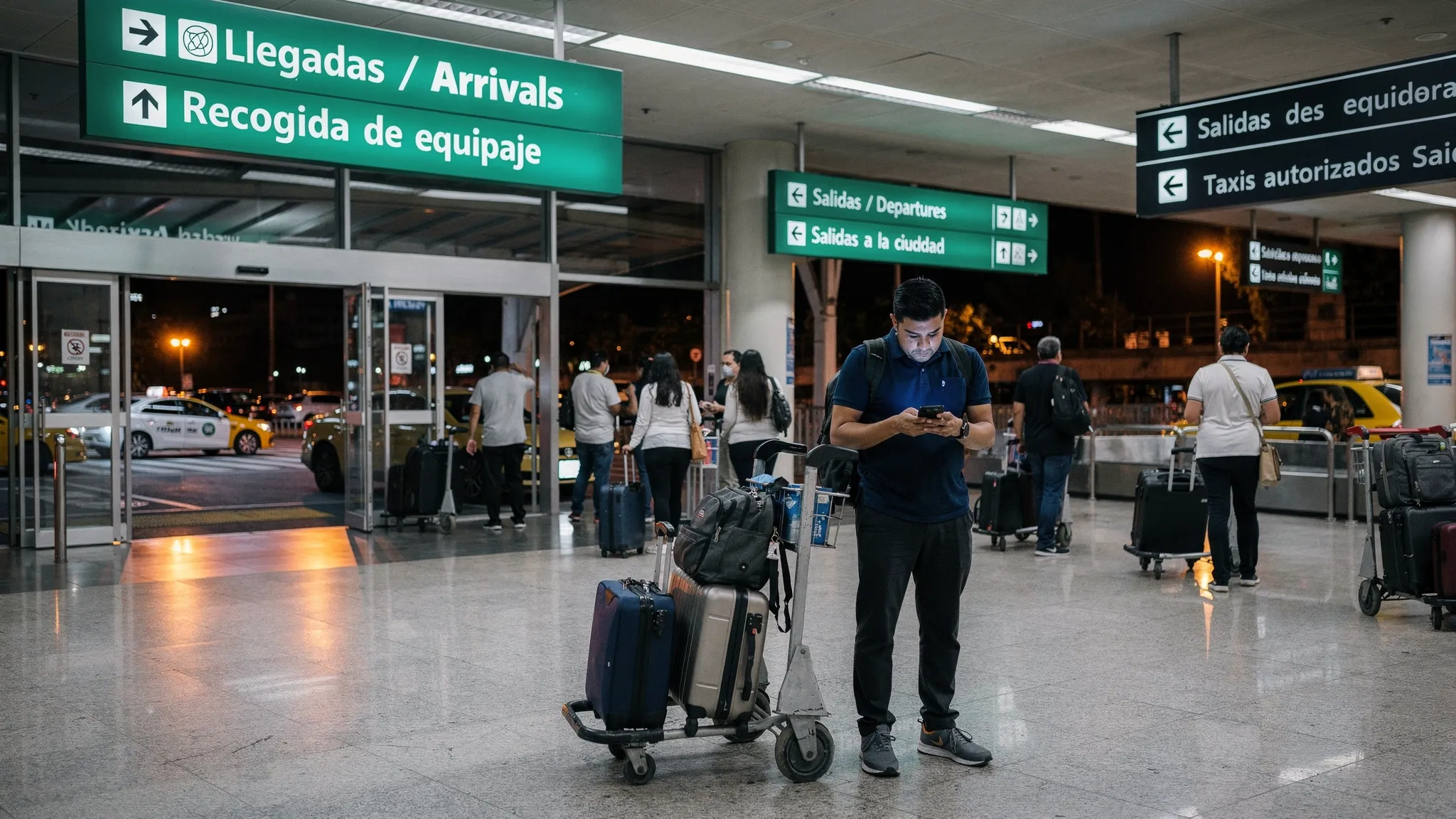
At 9:40 p.m. in Mexico City, the arrival hall at Benito Juarez International Airport has a particular kind of energy. Families cluster around luggage carts. Business travelers move quickly toward rideshares. A couple, still wearing airplane layers from a colder city, squints at a phone screen and realizes their “central hotel package” is not quite central after all.
This is the quiet risk of flight hotel packages. They can make travel feel beautifully simple: one search, one payment, one confirmation, one less decision after a long week. But they can also blur the details that matter most once you land, such as neighborhood, room type, cancellation terms, airport transfer cost, breakfast, local taxes, and whether your “deal” places you where you actually want to be.
The smartest way to think about bundling is not “packages are good” or “packages are bad.” It is this: a package is only valuable when the flight schedule, hotel location, room category, and total trip cost match the way you plan to travel.
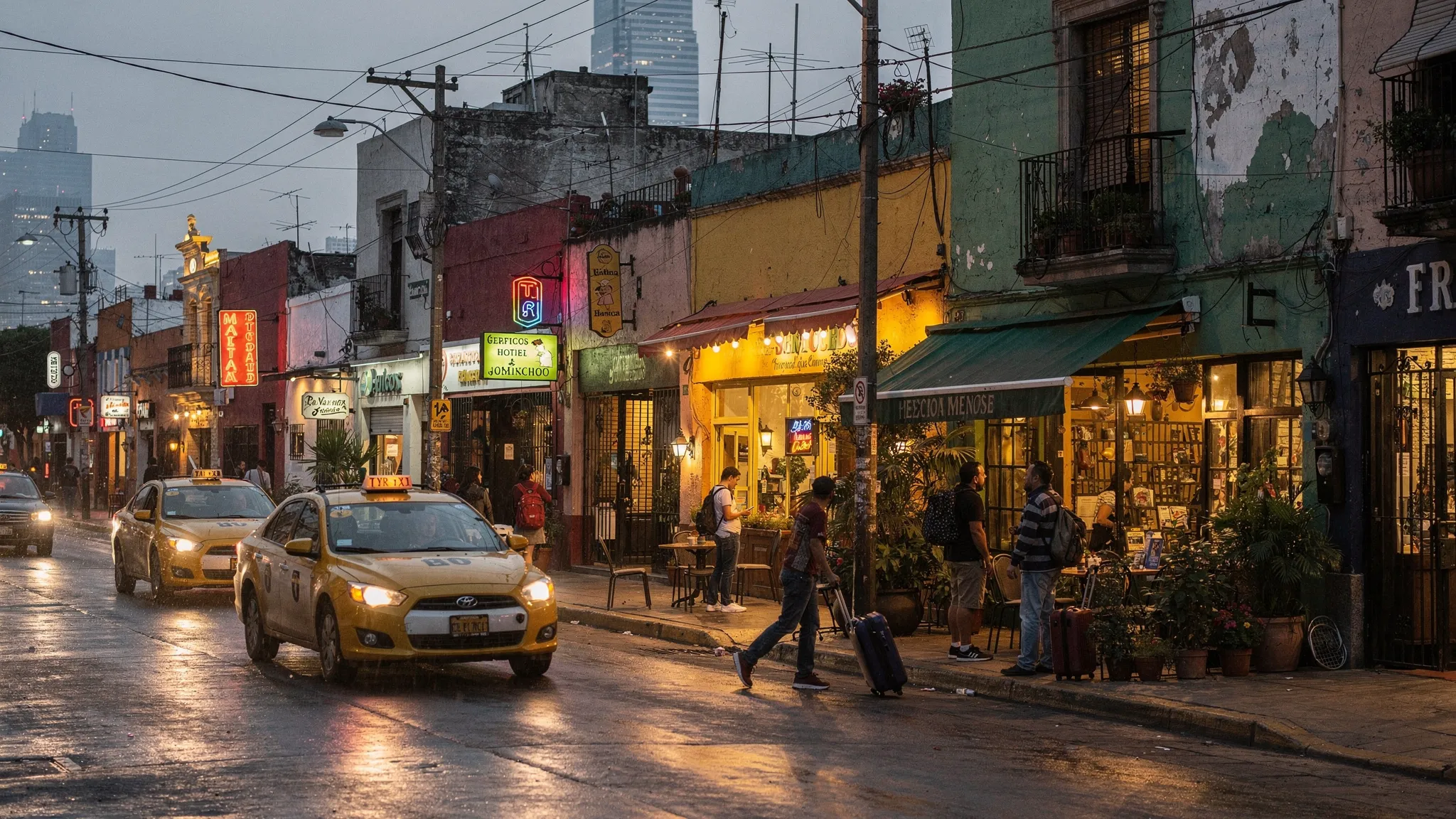
Mexico City is a perfect place to see the difference. It is a city where a hotel five miles away can feel like a different trip entirely, where dinner might be a tasting menu in Polanco, tacos al pastor in Roma Norte, breakfast pastries in Centro Historico, or a business lunch in Santa Fe. Bundling can save money here, especially during busy travel windows. It can also push you into a neighborhood that quietly charges you back in time, traffic, and missed meals.
Flight hotel packages usually sell convenience first and savings second. The package removes friction by combining two expensive decisions into one checkout. That can be useful if you are traveling quickly, visiting a destination for a fixed event, or do not want to compare dozens of hotel pages after already choosing flights.
But a package often compresses information. You might see the hotel name, star rating, and a bundled total, yet still need to inspect the fine print: is the flight basic economy, does the room have a window, are local taxes included, is breakfast extra, what happens if you need to change only the flight, and does the hotel charge a destination or amenity fee at check-in?
The trade-off is simple. Bundles can reduce search fatigue, but they can also hide the separate value of each part. A traveler who knows the neighborhood and hotel category they want can use flight hotel packages strategically. A traveler who only chases the lowest bundle price may end up buying a cheaper version of the wrong trip.
Imagine two packages for a four-night Mexico City stay. Both include round-trip flights. Both show a similar total. One places you on Paseo de la Reforma, close to Chapultepec Park, museums, business towers, and quick rides to Roma and Polanco. The other places you in Santa Fe, a polished modern business district on the western edge of the city.
If you are in town for meetings in Santa Fe, the second package may be excellent. You avoid cross-city traffic, sleep closer to your appointments, and probably get a bigger modern hotel for the money. If you are a first-time leisure traveler hoping to walk to cafes, galleries, parks, and late dinners, Santa Fe can turn the same “deal” into a daily transportation bill.
That is the first rule of bundling: the hotel location has to match the trip, not just the price.
In Mexico City, Polanco and Reforma tend to reward travelers who want polished service, major restaurants, museums, and a more classic big-city hotel experience. Roma Norte and Condesa reward travelers who want leafy streets, independent cafes, design hotels, mezcalerias, and a more local rhythm. Centro Historico rewards travelers who want architecture, museums, churches, plazas, and the theatrical feeling of waking up inside the old city. Santa Fe rewards business travelers and those with meetings nearby, but it is usually less convenient for food-focused wandering.
If you want to sanity-check a package, compare the hotel separately before buying the bundle. For a polished Reforma or Polanco-style stay, look at separate hotel pricing for properties such as The St. Regis Mexico City, Four Seasons Hotel Mexico City, or Hyatt Regency Mexico City. For a historic-center experience, compare a landmark-style option such as Gran Hotel Ciudad de Mexico.
The point is not that one hotel style is universally better. It is that a bundle should be judged against the hotel you would actually choose if the flight were not attached. If the package saves money but moves you from Reforma to an inconvenient edge location, you have not saved much. You have simply shifted the cost into transportation and time.
Flight hotel packages are most useful when your itinerary is simple and your priorities are clear. They work best when the destination, dates, and hotel zone are already decided, and when you do not need much flexibility after purchase.
A bundle can be a smart choice in peak periods. If you are traveling to Milan during a major trade fair, Miami during a winter weekend, or Mexico City around a big concert or holiday, hotels and flights can rise at the same time. A package may secure both before prices move again. It may also reduce the stress of booking each component separately while inventory is shifting.
Bundles can also help for short-notice trips. Business travelers often value time more than the last few dollars of savings. If a package gives you a decent flight time, a hotel near the meeting area, instant confirmation, and clear cancellation terms, convenience may be worth it.
They can also be useful for resort-style trips, but only when the package clearly states what is included. A beach hotel package that includes a good flight schedule and a real beachfront location can be efficient. A package that hides resort fees, parking charges, beach chair costs, or mandatory service charges can be far less attractive once you arrive.
Here is the quick distinction:
| Package situation | Usually helps when | Usually hurts when |
|---|---|---|
| Peak-season city trip | You already know the best neighborhood and the package hotel is there | The package shifts you to a cheaper but inconvenient district |
| Business trip | The hotel is near meetings and the flight times protect your workday | The flight arrives late, departs early, or forces extra taxis |
| Romantic weekend | The room type and cancellation terms are clear | The room category is vague and the “upgrade” is mostly marketing |
| Family trip | The package includes practical room space and a good location | Breakfast, extra beds, parking, or baggage fees are not included |
| Resort trip | Taxes, resort fees, and beach access rules are transparent | Mandatory fees appear only at check-in |
The best bundle is not always the cheapest bundle. It is the one with the fewest unpleasant surprises.
Bundling hurts when it hides the difference between a good price and a good stay.
The most common problem is the wrong neighborhood. A hotel on the edge of a city may look similar on a map if you are unfamiliar with local traffic. In Mexico City, a low package price outside your dining and sightseeing zone can mean long rides at exactly the hours you want to be enjoying the city. In Milan, a bargain far from the metro can become irritating if you are carrying luggage, wearing dress shoes, or trying to reach early train connections. In Miami, a hotel away from the beach may be fine for nightlife or business, but disappointing if your entire trip was built around sand and ocean.
The second problem is flexibility. Packages may have stricter change rules than separate bookings. If your meeting moves, your airline schedule changes, or you want to shorten the trip, changing one piece can be harder when everything is tied together. This matters most for business travelers, families, and anyone traveling during weather-sensitive seasons.
The third problem is room opacity. “Standard room” can mean very different things by hotel and city. In older historic buildings, standard rooms may be charming but compact. In modern business hotels, they may be efficient and predictable. In resort areas, a standard room may face a parking lot while a partial ocean view costs much more. If the bundle does not clearly show bed type, room size, view, and cancellation policy, treat the discount with caution.
Finally, bundling can encourage travelers to overpay for convenience they do not need. If you are comfortable comparing hotels separately and your flight options are stable, the package may not add much. Sometimes the hotel alone, booked transparently, gives you better cancellation terms, better room control, and a clearer final price.
The visible package price is only the opening scene. The real cost unfolds at the airport, the front desk, and during the daily rhythm of the trip.
Airport transportation is often underestimated. A package hotel that is cheap but far from the airport and your main activities can create two separate costs: the transfer from the airport and the daily rides around town. In Mexico City, traffic patterns can make distance feel elastic. In Miami, crossing between airport, beach, and downtown can add up quickly if you rely on rideshares. In Milan, staying near the wrong station or outside the metro grid can make a short stay feel more complicated than it should.
Breakfast is another quiet cost. In cities with strong cafe culture or street food, paying heavily for hotel breakfast can be unnecessary. Mexico City is a good example. If your mornings are built around pan dulce, chilaquiles, neighborhood coffee, or a market breakfast, a bundled breakfast rate may be wasted. For business travelers with early meetings, however, breakfast inside the hotel can be worth paying for because it protects time.
Parking can erase savings almost immediately. This is especially true in Miami, downtown business districts, beach areas, and hotels with valet-only arrangements. If a package does not clearly show parking charges, assume you need to investigate before booking.
Local taxes and mandatory hotel fees also matter. Some cities collect lodging taxes locally. Some hotels charge amenity, resort, destination, or service fees that are not always obvious in bundled displays. Even when a nightly rate looks good, the final checkout and check-in costs are what matter.
Commonly missed costs include:
The practical move is to compare the package total against a separate hotel booking plus a realistic flight estimate, then add the costs that the package does not clearly include. A cheap bundle that requires extra baggage, paid seat selection, $40 breakfasts, and long rides across town is not cheap anymore.
Luxury hotels are not automatically overpriced, and boutique hotels are not automatically better value. The right choice depends on what problem the hotel solves for your trip.
In Mexico City, classic luxury around Reforma or Polanco can be worth paying for when you want a smooth arrival, strong concierge support, predictable service, spacious public areas, and easy access to business meetings or fine dining. If you are arriving late, traveling for an anniversary, or need the hotel to reduce friction, the premium has a purpose.
Boutique-style stays in Roma Norte, Condesa, or Juarez can feel more connected to the city. You may trade grand lobbies and extensive facilities for walkability, neighborhood restaurants, design personality, and a more intimate rhythm. For food-focused travelers, this can be the better value, especially if you prefer to spend money on dinners, mezcal bars, galleries, and local shopping rather than hotel amenities.
The trap is paying luxury prices for amenities you will not use. A spa, club lounge, pool, or hotel car service can be valuable if it fits your trip. If your days are packed with museums, markets, meetings, and restaurants, those amenities may simply decorate the rate.
The reverse trap is booking a boutique hotel without checking noise, room size, elevator access, and front-desk hours. A beautiful small hotel above a lively street may be perfect for nightlife and painful for sleep. A charming historic building may have stairs, smaller bathrooms, or fewer business amenities than a corporate traveler expects.
A historic center can make a short trip feel full. You step outside and the city is already happening. In Mexico City’s Centro Historico, the morning can begin with cathedral bells, street vendors setting up, and the grand facades around the Zocalo catching the first light. You spend less time getting to monuments because you are already among them.
But historic centers often come with trade-offs. Traffic can be heavier, rooms can be smaller, street noise can last late, and tourist-focused restaurants may charge more for less interesting food. If a package includes a historic-center hotel, check whether the exact street is convenient or chaotic. A central address is not always a calm address.
Modern districts work differently. Reforma, Polanco, Santa Fe, and similar business areas in other cities often offer larger hotels, easier drop-offs, newer rooms, stronger gyms, and more predictable service. They can be ideal for business trips, polished romantic weekends, and travelers who want comfort after busy days.
The downside is atmosphere. A modern district can feel efficient but less intimate. If your dream is to wander after dinner and stumble into a small bar or bakery, the sleek business district may feel too controlled. If your priority is sleep, safety, workspace, and transport, it may be exactly right.
Milan shows how bundling can help during compressed demand. Around major design, fashion, and business events, flight hotel packages may lock in a workable combination before prices climb further. But Milan also punishes careless location choices. A hotel near the Duomo gives you drama and walkability at a premium. A hotel near Milano Centrale can be practical for trains and airport access, often with better value. A hotel in Navigli can feel more local and social, but may not suit early business starts.
If the package places you in the historic core, ask whether you are paying for convenience you will use. If your trip is mostly meetings near Porta Nuova or train connections, central sightseeing proximity may be less important than transit. If your trip is a romantic weekend built around aperitivo, architecture, and walking, paying more for the center can make sense.
To compare the hotel side separately, look at searches for properties such as Rosa Grand Milano for a more central stay or Hotel Berna Milan for a practical station-area option.
Miami is the opposite kind of lesson. The biggest question is not simply hotel quality, but beach versus city. A Miami Beach hotel can be worth more if your trip is about the ocean, morning walks, and not needing to commute to the sand. A Brickell or downtown hotel may be better for business, dining, nightlife, and avoiding some beach-area premiums. An airport-area hotel can be sensible for a one-night stopover, but frustrating for a vacation.
Bundles in Miami often look attractive until you inspect resort fees, parking, beach access, and transfer costs. A beachfront package may still be the right choice, but only if the final cost is transparent. A cheaper inland hotel plus daily rides to the beach can end up costing more in money and mood.
For a beachfront comparison, you might check The Palms Hotel and Spa Miami Beach. For a city-focused stay, compare a Brickell search such as citizenM Miami Brickell.
The best decision process is short, but it has to be honest. Do not compare the package only to a fantasy version of separate booking. Compare it to the actual hotel and flight you would choose.
Use this sequence before buying:
A package that saves $90 but adds late-night arrival, a remote hotel, and strict cancellation terms is probably not a win. A package that saves $90 while placing you in the exact neighborhood you wanted with a clear room type and good flight times may be excellent.
Premium upgrades are worth it when they improve the trip in a measurable way. A larger room can matter for families. A flexible cancellation policy can matter for business travel. A better location can matter for short stays. Breakfast can matter when you have early meetings or children. Airport transfer inclusion can matter when arriving late or in an unfamiliar city.
Upgrades are less convincing when they are vague. “City view” can mean a dramatic skyline, or it can mean a higher floor facing another building. “Deluxe” can mean more space, or simply a slightly different layout. “Resort access” may not include the spa facilities you imagine. “Near downtown” may still require a ride for every meal.
In food cities, think carefully before paying for a breakfast-heavy package. Mexico City, Milan, and Miami all reward leaving the hotel for at least some meals. The value of a hotel breakfast depends on your schedule, not on whether it sounds convenient.
Different travelers should judge flight hotel packages differently.
| Traveler type | Best hotel priority | Bundle warning |
|---|---|---|
| Business traveler | Meeting proximity, reliable Wi-Fi, early breakfast, flexible terms | Bad flight times can cost more than the discount |
| Couple | Walkable dinners, quiet room, atmosphere, late checkout | Vague room upgrades may disappoint |
| Family | Room size, breakfast value, transit simplicity, safety | Baggage, extra beds, and taxis can add up |
| Luxury traveler | Service, location, room quality, arrival experience | Do not pay for amenities you will not use |
| Short-stay traveler | Airport access and concentrated sightseeing | Remote hotels waste limited time |
| Nightlife traveler | Safe late-night return, walkability, lively district | Quiet remote hotels create ride costs |
The more specific your trip, the more carefully you should inspect the bundle. Generic packages work best for generic trips. Memorable trips usually need sharper choices.
The cheapest package often wins the screen, not the street.
On the screen, it looks efficient. In the street, you discover whether the hotel is near the restaurant you booked, whether the neighborhood feels good at night, whether the airport transfer was simple, whether the room is quiet enough to sleep, and whether the final price still feels fair after taxes and fees.
This is why hotel transparency matters even when you are considering a bundled trip. If you compare hotels separately through a booking flow that shows clear terms, final pricing, available flexibility, and instant confirmation, you understand the hotel portion before you let it disappear inside a package total.
InnRox is built for travelers who want that clarity on the hotel side: competitive rates, upfront pricing with no hidden fees, fast reservations, secure payments, and flexible options like free cancellation or pay-later deals where available. Even if you ultimately choose a package elsewhere, checking the hotel separately can tell you whether the bundle is genuinely good value or just neatly packaged compromise.
Are flight hotel packages usually cheaper than booking separately? Sometimes, but not always. They can be cheaper during peak demand or for simple trips, but the savings can disappear if the hotel is poorly located, the flight has extra baggage costs, or the package excludes taxes and fees.
What should I check first before booking a flight hotel package? Check the hotel neighborhood first. A good flight paired with the wrong hotel location can create daily transportation costs, wasted time, and a very different travel experience than you expected.
Are bundled hotel rooms worse than rooms booked separately? Not necessarily, but bundled rooms can be less transparent. Always confirm bed type, room category, cancellation terms, taxes, and whether amenities like breakfast, parking, or resort access are included.
When is it better to book the hotel separately? Booking separately is often better when you need flexibility, care deeply about a specific neighborhood, want a particular room type, or want clearer final pricing before committing.
Do flight hotel packages include resort fees and local taxes? Some do, and some do not. Always read the final price details and hotel policies. Resort fees, city taxes, parking, beach access, and service charges can change the real value of the package.
Are flight hotel packages good for business travel? They can be useful if the hotel is near meetings and the flight times are practical. They are less useful if change rules are strict or the package forces inconvenient arrivals and departures.
Flight hotel packages can be helpful, but they should never replace judgment. Before you commit, separate the package into its real parts: flight quality, hotel location, room details, hidden costs, and flexibility.
If the hotel is the weak link, the bundle is weak too. Compare hotel options clearly on InnRox, check the final price upfront, and choose the stay that fits the way you actually travel. The best deal is not the one that looks smallest at checkout. It is the one that still feels smart after you land, check in, and step out into the city.
Tags