
Copyright © 2026 Innrox, Inc., an Innrox Group company. All rights reserved.

InnRox
Travel Experts
June 19, 2026
16 min read
The best hotel booking stories usually start with a small moment of doubt. You land late, your phone battery is low, and the room that looked affordable at noon now feels suspiciously incomplete. Is breakfast included? Is the airport transfer going to cost half a night’s stay? Is that “city view” actually a wall with a slice of skyline? The best website to book hotels is not just the one that shows a low rate. It is the one that helps you understand the real cost before your trip begins.
That matters more in 2026 because hotel shopping has become faster, but not always clearer. Travelers can compare dozens of rooms in minutes, yet still miss the details that decide whether a stay feels like a deal or a mistake. A transparent booking site should reduce friction without rushing you past the questions that matter: where the hotel sits, what the final price includes, how flexible the booking is, and whether the location fits the rhythm of your trip.
InnRox is built around that kind of practical clarity: competitive hotel rates, upfront pricing without hidden fees, instant confirmation where availability is live, flexible options when offered by the property, and a simple booking flow that avoids unnecessary noise. But the real test of any booking platform is not a slogan. It is what happens when you compare actual destinations, actual neighborhoods, and actual traveler needs.
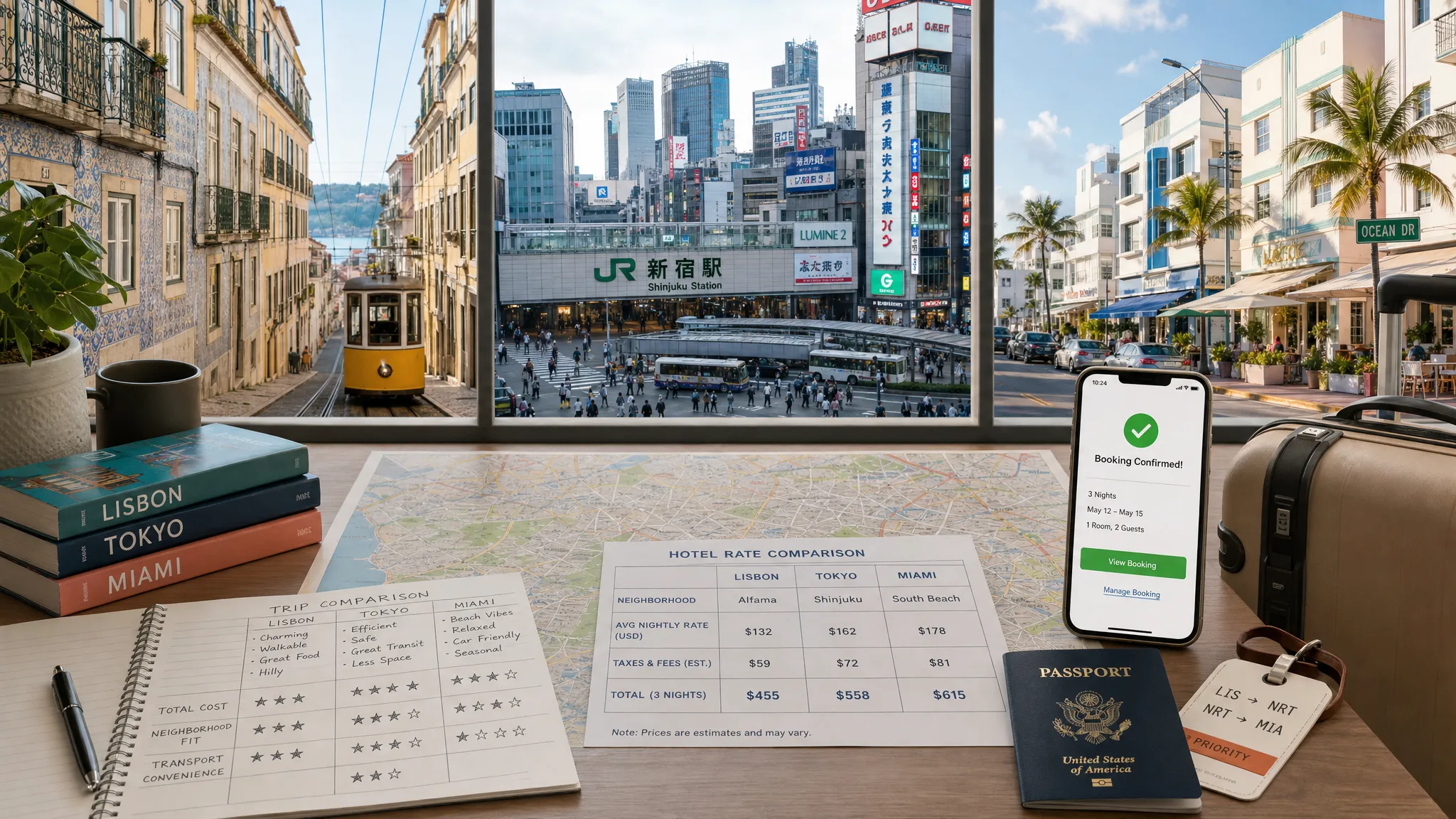
If you want a broader checklist before choosing a platform, this guide to best hotel booking site features smart travelers should check is a useful companion. Here, we will take a more story-driven route through Lisbon, Tokyo, and Miami, three cities where the “best deal” changes dramatically depending on neighborhood, transportation, season, and hidden costs.
A clear hotel price is not simply a number in bold type. It is the total picture: nightly rate, taxes, mandatory charges, cancellation rules, breakfast, parking, local fees, payment timing, and room conditions. A fast booking experience is valuable only if it keeps those details visible.
Think of a hotel search as a short negotiation with your future self. The version of you booking today wants speed and savings. The version arriving tomorrow wants a clean route from the airport, no surprise bill at reception, and a room that matches the trip’s purpose. A good hotel booking site should serve both versions.
The most common booking mistake is comparing hotels by nightly rate alone. A $165 room in a remote district can become more expensive than a $205 room in a walkable area once you add rideshares, late-night transfers, breakfast, and time lost in transit. This is especially true for short stays, business trips, family travel, and first visits to a city.
Here is a simple way to think about the tradeoff before choosing a hotel:
| Booking factor | Why it changes the real value | Smart traveler question |
|---|---|---|
| Final price | Taxes, service charges, and local fees can shift the total | What will I actually pay before and during the stay? |
| Neighborhood | A cheaper area can add transport costs and reduce usable time | Will I walk, ride, or commute every day? |
| Cancellation terms | Flexible rooms often cost more but reduce risk | Is my trip fixed enough to book non-refundable? |
| Breakfast | Hotel breakfast can be convenient but overpriced in food-rich cities | Is breakfast worth paying for here? |
| Room category | Upgrades may improve space, view, or floor level, but not always comfort | What problem does the upgrade actually solve? |
| Confirmation speed | Delayed confirmation creates uncertainty, especially for late bookings | Do I know the room is secured now? |
Lisbon seduces travelers quickly. The city glows at the end of the day, tiles catch the light, and the sound of tram wheels seems to belong to another century. It is also a city where hotel location matters more than many first-time visitors expect. A room can be close on the map and still feel far away when you are climbing steep streets with luggage.
For a romantic or first-time trip, travelers often look at Baixa, Chiado, Alfama, and Avenida da Liberdade. These areas are all central, but they deliver very different stays. Baixa is flat, convenient, and easy for sightseeing, but it can feel busy and tourist-facing. Chiado has restaurants, boutiques, and graceful streets, though prices rise quickly. Alfama has atmosphere, music, narrow lanes, and views, but taxis may not reach every doorway. Avenida da Liberdade feels polished and hotel-friendly, with easier vehicle access and a more classic luxury feel.
For heritage luxury with a central base, travelers might compare The One Palacio da Anunciada Lisbon with a more intimate old-quarter stay such as Memmo Alfama Lisboa. The first makes sense when you want polished service, easier access, and a refined city-hotel atmosphere. The second is better if your priority is neighborhood texture, rooftop mood, and waking up inside Lisbon’s older fabric.
The booking trap in Lisbon is paying for “central” without understanding topography. A hotel in Alfama may be magical for a couple traveling light, but less practical for a family with strollers or a business traveler with early meetings. A cheaper room uphill can also mean more taxis, more fatigue, and less spontaneity. If you have only 48 hours, walkability may be worth more than a larger room farther out.
Tourist taxes are another detail to watch. Lisbon charges a municipal tourist tax that is usually collected per person, per night, and the amount can change over time. Some properties include it clearly in the booking flow, while others may collect it at the hotel. Breakfast can also shift the equation. In Lisbon, paying a premium for hotel breakfast is not always necessary if you are near cafés and bakeries, but it may be worth it for an early airport departure or a tightly scheduled business morning.
The season changes the value calculation. Spring and autumn usually bring the best mix of atmosphere and comfort, but they also attract high demand. Summer can be lively and bright, yet heat and crowds make location even more important. A hotel near transit or a flat walking route may feel far more valuable in August than it looked in February.
Tokyo is where speed and clarity become almost architectural. The city is vast, precise, layered, and wonderfully efficient, but a hotel in the wrong station orbit can make every day feel like a commute. The best Tokyo hotel is rarely “the most central,” because Tokyo has many centers. The better question is: which rail line will shape your trip?
Business travelers often gravitate toward Marunouchi, Nihonbashi, or Shinagawa because access matters more than nightlife. First-time leisure travelers may choose Shinjuku or Shibuya for energy, food, and late-night options. Families often prefer areas with calmer streets and simpler transit connections. Repeat visitors may look toward Ueno, Asakusa, or quieter eastern neighborhoods for better value and local texture.
For a short business stay or a polished arrival, Hotel Metropolitan Tokyo Marunouchi offers the logic of Tokyo Station proximity. For a traveler who wants a neighborhood feel with strong transit and a less corporate mood, Nohga Hotel Ueno Tokyo can represent a different kind of value: less about prestige, more about daily ease.
Tokyo’s hidden costs are quieter than Miami’s resort charges, but they are real. A hotel far from your main rail line may cost you time every day. A cheaper room may also be smaller than expected, so the lowest rate is not always the best fit for couples with large luggage or families sharing space. Some travelers overpay for a high-floor view, when the actual benefit is minimal if they spend most of their day outside. Others pay for breakfast in a city where convenience stores, cafés, and station food halls make casual morning meals easy.
The premium upgrade question in Tokyo should be practical. Is the upgrade adding square footage, a better bed configuration, lounge access you will actually use, or simply a vague “superior” label? In compact rooms, paying for more usable space can be worth it. Paying for a view when your schedule runs from 7 a.m. to midnight usually is not.
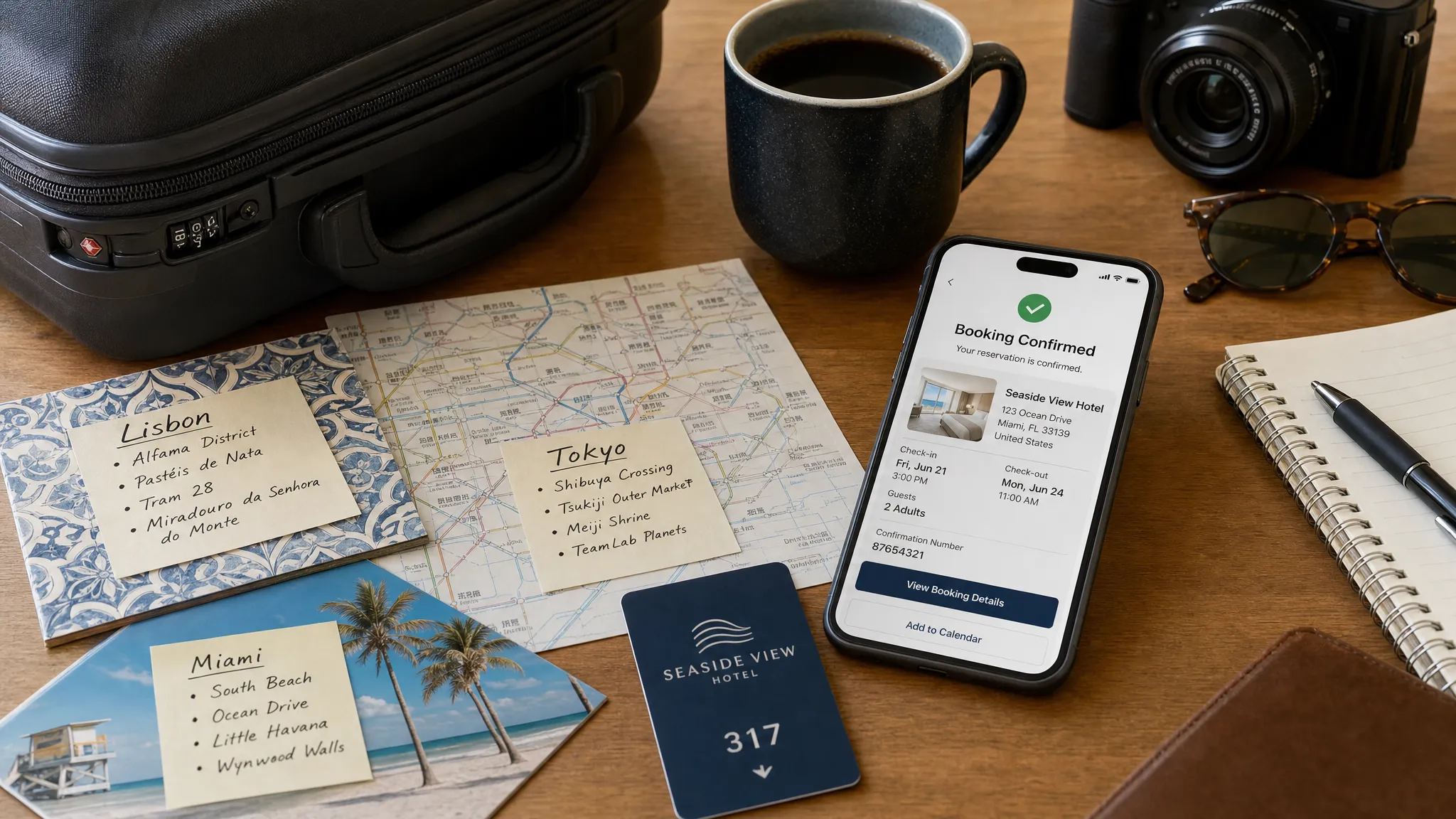
Miami is the city where hotel pricing can feel most theatrical. The room rate may look inviting, especially outside peak weekends, but the real cost often appears in layers: resort fees, parking, beach chair policies, taxes, breakfast, minibar charges, spa access limitations, and rides between neighborhoods. It is one of the clearest examples of why travelers need transparent hotel booking.
South Beach is the classic fantasy: Art Deco facades, warm air, music spilling out of restaurants, and the beach within walking distance. It is ideal for nightlife, a first Miami trip, or a short stay where you want the setting to do most of the work. But convenience comes at a price. Parking can be expensive, resort fees may be mandatory, and rooms in older buildings can vary in size and noise insulation.
Brickell and Downtown offer a different Miami. The skyline is vertical, the restaurants are polished, and the hotel experience often feels more modern and business-friendly. You may trade direct beach access for better room quality, newer buildings, and easier access to meetings, dining, and cultural districts. The money you save on a beach address, however, can be partly spent on rides to the sand.
Travelers comparing wellness-oriented waterfront stays with urban high-rise convenience might look at The Standard Spa Miami Beach and EAST Miami. The first suits a traveler who values relaxation, water views, and a resort-like rhythm. The second is more logical for business travelers, couples who want dining and nightlife without committing to the beach strip, or short-stay guests who prefer modern city energy.
Miami is also where seasonal pricing can swing sharply. Winter sun, major events, long weekends, and school breaks can push rates higher. Hurricane season may bring better prices but more weather uncertainty. If flexibility matters, a room with free cancellation may be worth more than the lowest non-refundable rate. For a three-night beach trip, losing flexibility can be costly if weather or flight changes disrupt the plan.
The upgrade traps are easy to spot once you know them. A “partial ocean view” may not justify a major jump in price. A resort fee may include amenities you never use. A club-level breakfast may be convenient but unnecessary if your plans start late. Parking charges can turn a seemingly affordable hotel into an expensive one if you rent a car. In Miami, the best value often belongs to travelers who match the hotel type to the trip style instead of chasing the most glamorous address.
Choosing the right hotel is not only about destination. It is about matching category to purpose. A luxury hotel, boutique hotel, business hotel, resort, and budget property solve different problems. Overpaying usually happens when travelers buy a category that sounds appealing but does not match the trip.
Classic luxury is worth paying for when service, arrival experience, room comfort, and location reduce friction. It makes sense for anniversaries, high-pressure business travel, and trips where the hotel itself is part of the memory. Modern luxury can be better when you care about design, technology, dining, and a less formal atmosphere. Boutique hotels are often strongest when neighborhood personality matters more than full-service amenities.
Business hotels can be excellent value for city stays. They may not provide romance or resort-level leisure, but they often offer reliable rooms, good desks, fast elevators, sensible locations, and breakfast options designed for early departures. Families should be more cautious. A stylish boutique room may look beautiful online but feel cramped with children, luggage, and irregular sleep schedules.
Here is a practical comparison:
| Hotel type | Best for | Where travelers overpay | What to check before booking |
|---|---|---|---|
| Luxury city hotel | Special occasions, business comfort, high-service stays | Paying for prestige when location is inconvenient | Included amenities, breakfast cost, late checkout fees |
| Boutique hotel | Couples, design lovers, neighborhood explorers | Choosing style over room size or soundproofing | Elevator access, luggage logistics, street noise |
| Business hotel | Work trips, short stays, early departures | Assuming it will feel memorable or romantic | Desk space, transit links, breakfast timing |
| Beach resort | Relaxation, families, longer leisure stays | Mandatory resort fees and paid beach amenities | Resort fee details, parking, beach access, cancellation terms |
| Budget hotel | Simple sleep, solo travel, late arrivals | Saving on rate but paying in transport and discomfort | Total cost, safety, transit, check-in hours |
A clear booking site should make these tradeoffs easier to see. If you are choosing between a boutique hotel in a local neighborhood and a larger hotel near transit, the “better” option depends on your evenings, luggage, arrival time, and tolerance for noise. If you are choosing between a beach resort and a city hotel, the decision depends on whether you want the beach every day or simply one afternoon by the water.
For a deeper look at the expensive small mistakes that change the final bill, the InnRox guide to hotel booking mistakes that quietly raise your total cost is worth reading before your next search.
Fast booking is valuable because travel planning often happens between other tasks. A business traveler may need a confirmed room before boarding. A couple may be booking a weekend away during a lunch break. A family may need to secure rooms before flight prices change. Speed matters, but only if it comes with enough information to book confidently.
A good booking flow should make room type, dates, cancellation policy, payment timing, taxes, and confirmation status easy to understand. It should not bury key details behind vague labels or make travelers guess whether the price is final. This is especially important for short-notice bookings, where the cost of a mistake is higher and alternatives may disappear quickly.
InnRox focuses on simple hotel search, competitive rates, upfront pricing, secure payments, and fast reservations without unnecessary clutter. That does not mean every hotel will offer the same cancellation terms or payment options, since those vary by property and availability. It means the booking experience should help travelers see the terms clearly before they commit.
If you are comparing websites, use this quick test: can you understand the total price, the cancellation terms, and the room basics in less than a minute without opening five extra tabs? If not, the low rate may be costing you attention before it costs you money.
When you are short on time, use a simple order of decisions. Start with trip purpose, then area, then total cost, then flexibility, then room details. This prevents the nightly rate from dominating the whole decision.
This method works whether you are booking Lisbon for romance, Tokyo for work, Miami for sun, or a same-night room after a delayed flight. The goal is not to find the cheapest hotel every time. The goal is to find the hotel that stays a good deal after you arrive.
What is the best website to book hotels if I want clear prices? The best option is a booking site that shows the total price clearly, explains cancellation terms, confirms availability quickly, and avoids hiding important costs until the final step. InnRox is designed around upfront pricing, fast reservations, and a simpler booking flow.
Is the cheapest hotel usually the best deal? Not always. A cheaper hotel can become more expensive if it adds transport costs, breakfast charges, parking, resort fees, or lost time. The best deal is the stay with the strongest total value for your trip purpose.
Are hotel upgrades worth paying for? Upgrades are worth it when they solve a real problem, such as more space, better bed setup, lounge access you will use, or a quieter room. They are often not worth it when the benefit is vague, such as a minor view improvement or a decorative room label.
How do I avoid hidden hotel fees? Check the final price, local taxes, resort or service fees, parking, breakfast, minibar policies, spa access, beach access, and early check-in or late checkout charges before booking. Also consider transportation costs created by the hotel’s location.
Should I book a central hotel or a cheaper hotel farther away? Choose central if your stay is short, your schedule is tight, or the destination is expensive to cross by taxi. Choose farther away only when transit is easy, the neighborhood fits your travel style, and the savings remain meaningful after transport.
A hotel should make a trip easier before you even arrive. Whether you are choosing a tiled hillside stay in Lisbon, a rail-smart Tokyo hotel, or a Miami base that balances beach dreams with real costs, the right booking platform helps you see the full picture quickly.
Use InnRox when you want competitive hotel rates, transparent terms, secure payments, and fast confirmation without the clutter. The best website to book hotels is the one that lets you move from search to reservation with confidence, while still knowing exactly what you are paying for.
Tags