
Copyright © 2026 Innrox, Inc., an Innrox Group company. All rights reserved.

InnRox
Travel Experts
June 2, 2026
20 min read
The room looked like a win at midnight: a low nightly rate, a recognizable neighborhood name, and a glossy photo of a bed that seemed close enough to everything. By the time the traveler checked out, the bill told a different story. Breakfast had not been included. The airport transfer cost more than expected. The hotel was technically central, but not central to the meetings, restaurants, or train station she actually used. The cheap room had become a lesson in quiet spending.
That is how many hotel booking mistakes work. They rarely feel dramatic when you click reserve. They hide in small decisions: choosing a famous district instead of the right district, paying for a view you only see at night, ignoring parking, assuming free cancellation, or comparing hotels by nightly rate instead of final trip cost.
The smarter way to book is not to hunt for the cheapest room. It is to understand where the money moves after the headline price disappears. In cities like Rome, Barcelona, and San Francisco, two hotels with similar rates can create completely different travel experiences once you add transport, taxes, breakfast, time, and convenience.
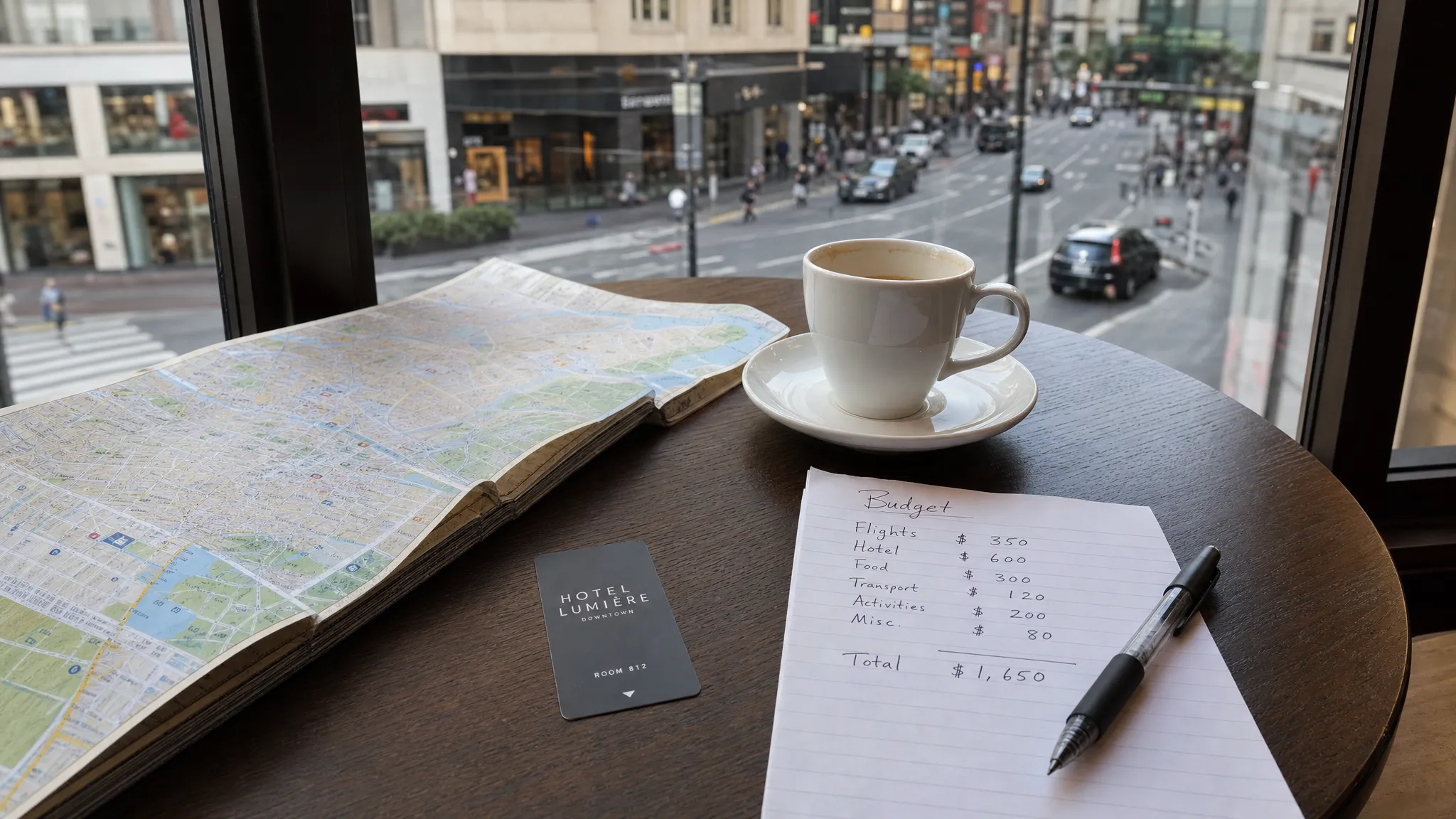
The nightly rate is only the first sentence of the story. The final cost is the full paragraph. A hotel that looks $40 cheaper per night may become more expensive after local taxes, mandatory fees, breakfast, luggage storage, parking, transit, and a few rideshares caused by poor location.
This is especially true in city stays, where location changes your spending every day. A traveler staying three nights in a cheaper outer district may save on the room but spend the difference moving back and forth. That tradeoff can still be worth it, but only if the neighborhood fits the trip. A relaxed traveler with one museum per day can stay farther out. A business traveler crossing town twice daily usually cannot.
| Booking mistake | Why it raises total cost | Smarter check before reserving |
|---|---|---|
| Comparing only nightly rates | Taxes, fees, meals, and transport are missing | Compare the estimated final stay cost, not just the room rate |
| Choosing the most famous area | Tourist-heavy districts often charge more for less space | Match the area to your daily itinerary |
| Ignoring breakfast policy | Hotel breakfast can add a large daily cost | Compare included breakfast with nearby cafe options |
| Booking without transit context | A cheap hotel far from your plans creates daily rideshare costs | Map airport, station, meetings, restaurants, and attractions |
| Paying for vague upgrades | City view or superior room can mean little in practice | Look for square footage, bed type, floor level, and real inclusions |
| Missing cancellation terms | A cheaper prepaid rate can become costly if plans change | Decide how likely your dates are to move |
A transparent hotel booking process should make these differences visible early. If you need to open three tabs and calculate every possible add-on manually, it becomes easier to choose the wrong deal because the cheapest number looks simpler than the truest one.
Rome is a city where hotel location can quietly reshape the budget. The map tempts first-timers toward the historic center, especially around the Pantheon, Trevi Fountain, and Piazza Navona. It feels romantic, walkable, and cinematic. It can also be expensive, crowded, and occasionally awkward for arrivals with luggage, especially when taxis cannot get close to small lanes or when older buildings have limited elevators.
The opposite mistake is booking too far out because the room looks larger or cheaper. A hotel beyond your actual walking radius may be fine if it sits near a useful metro stop, but Rome is not a city where every attraction connects perfectly by subway. If you plan to spend evenings in Trastevere, mornings near the Vatican, and afternoons in the ancient center, a distant bargain may become a daily negotiation with buses, taxis, and tired feet.
For many travelers, the best value is not the absolute historic core. It is the practical middle: areas around Via Nazionale, Monti, parts of Prati, or near Termini if the exact street feels comfortable and convenient. These zones can reduce transfer friction while keeping major sights reachable. They may not deliver the postcard view from your window, but they can deliver a better trip.
If you are comparing a polished central option, start by checking properties such as Hotel Artemide Rome and then compare the final price against hotels deeper in the historic center and hotels farther from your daily route.
The trick in Rome is to ask what central really means. A hotel may be central to monuments but inconvenient for your airport train. Another may be central to the station but less atmospheric at night. Another may be charming but involve stairs, small rooms, or paid breakfast that changes the total value.
Couples on a short romantic stay may happily pay more for walkability and evening atmosphere. Families may value a slightly larger room and easier taxi access over a tiny historic room. Business travelers should prioritize the station, meeting location, and morning reliability over charm. Luxury travelers should decide whether they want classic grandeur, quiet service, or a modern room with better practical comfort.
The quiet costs in Rome are not always dramatic. They are small frictions repeated daily: coffee and breakfast because it was not included, taxis because the hotel is not where you spend evenings, luggage storage because your check-in time does not match your arrival, and local accommodation taxes collected or displayed according to booking terms. Before reserving, check whether breakfast is included, whether cancellation is flexible, how far the hotel is from the station or airport transfer point, and whether the neighborhood still works after dinner.
Recognition is expensive. Travelers often pay more for a district name they know, even when a nearby area would serve them better. The famous district feels safer because it is familiar before arrival. But familiarity can come with smaller rooms, tourist-focused restaurants, higher breakfast prices, and a louder street scene.
The best hotel neighborhood is not always the prettiest one. It is the one that reduces wasted time. If most of your plans happen within a 20-minute walk, paying extra for location can be wise. If you will use transit anyway, paying a premium to sleep in the most photographed area may be unnecessary.
This is where trip type matters. A couple on a two-night anniversary trip should value mood and walkability. A conference traveler should value predictable commute time. A family should value room layout, safe evening streets, and quick access to food. A solo traveler may care more about transit frequency and late-night return options than a landmark view.
Barcelona is one of the easiest cities in Europe to overpay in because several different vacations appear to exist on the same map. The Gothic Quarter offers atmosphere and late-night energy. Eixample gives broad streets, architecture, shopping, and practical transport. El Born feels stylish and intimate but can be busy. Barceloneta sells the beach dream but may not be the best base for every itinerary. Poblenou offers a more modern, less traditional rhythm, with beach access in some areas and a calmer feel than the old city.
The expensive mistake is choosing the vacation you imagined instead of the one you will actually take. If you plan to spend most of your time eating, walking, and visiting architecture, Eixample can be more practical than a beach-focused stay. If you want nightlife and old streets, the Gothic Quarter may be worth the noise risk. If you are mixing remote work, beach time, and a less tourist-heavy neighborhood feel, Poblenou can make more sense than staying directly in the old city.
A traveler comparing modern Barcelona stays might look at The Hoxton Poblenou Barcelona as part of a broader comparison between design-forward hotels outside the old center and more traditional central properties.
That comparison should not stop at style. A boutique hotel in the Gothic Quarter may feel more romantic, but a modern hotel in Poblenou may offer easier breathing room and a different pace. A luxury property near Passeig de Gracia may reduce transit time if your plans revolve around architecture, dining, and shopping. A beach-adjacent stay may sound relaxing but can become less convenient if every dinner reservation, museum visit, and train connection pulls you inland.
Barcelona also teaches a common hotel booking mistake: confusing included value with marketed lifestyle. Rooftop pools, stylish lobbies, and design language can be wonderful if you will use them. If your itinerary is packed from breakfast to midnight, you may be paying for spaces you barely enter. In that case, a well-located, simpler hotel with clear terms may beat a more photogenic property with paid breakfast, seasonal surge pricing, and a room category that does not materially improve your stay.
Watch the practical extras. Tourist taxes and local charges can apply depending on the property and booking terms. Breakfast may be convenient but overpriced if excellent cafes are nearby. Airport transfers can vary widely by time of day and luggage. Beach proximity can also be deceptive: a hotel near the water may still not deliver the calm resort feeling travelers imagine, especially in peak season.
Luxury can be worth every dollar when it solves a real problem. It is worth it when service saves time, location reduces transport, sleep quality is noticeably better, or amenities replace costs you would otherwise pay separately. It is not worth it when you book a premium hotel only to spend the entire day outside, return late, skip the spa, decline breakfast, and never use the lounge.
Classic luxury and modern luxury also behave differently. Classic luxury often offers grand public spaces, heritage architecture, formal service, and a sense of occasion. Modern luxury may offer cleaner design, faster check-in, better tech, and a more relaxed atmosphere. Boutique hotels may offer personality and neighborhood texture but less predictable room size. Business hotels may lack romance but deliver efficient rooms, workspaces, and transport logic.
The question is not which category is best. The question is which category removes the most friction from your specific trip.
| Trip style | Usually worth paying for | Often not worth paying for |
|---|---|---|
| Business trip | Location near meetings, reliable Wi-Fi, breakfast efficiency, late checkout | Landmark view, oversized room, resort-style amenities |
| Romantic weekend | Walkable dining area, quiet room, strong design, memorable setting | Club access you will not use, expensive breakfast if cafes are better |
| Family stay | Larger room, flexible cancellation, breakfast included, transit convenience | Tiny central room with atmosphere but no space |
| Short overnight | Airport or station access, fast check-in, clear cancellation terms | Spa, view, premium dining, distant luxury location |
| Luxury escape | Service quality, room comfort, pool or wellness access, quiet setting | Paying for a famous address that does not match your plans |
The most expensive hotel is not always the one with the highest rate. It is the one that charges you for benefits you do not use while failing to solve the problems you actually have.
San Francisco is a masterclass in underestimated costs. On paper, distances look short. In practice, hills, microclimates, parking, traffic, and neighborhood differences can make two hotels a mile apart feel like different trips.
Union Square can work for shopping, transit access, and first-time sightseeing, but it is not automatically the best choice for every traveler. SoMa may suit conference and business trips, especially when meetings are nearby. Nob Hill offers classic grandeur and views, but those views come with hills and potentially higher transport reliance. Fisherman's Wharf is convenient for certain tourist plans, especially family itineraries, but some travelers overpay there for a version of the city that feels more visitor-focused than local. The Marina and Pacific Heights can feel more residential and scenic, but they may require more rideshares depending on your plans.
If you are considering classic San Francisco luxury, compare a landmark-style stay such as Fairmont San Francisco with modern business hotels closer to your meetings or a quieter neighborhood hotel that better fits your evenings.
The view upgrade is the classic San Francisco trap. A bay or city view can be magical if you plan to slow down and spend time in the room. But if you are out all day, or if fog turns the view into a pale gray suggestion, the upgrade may not be the best use of money. A quieter room away from elevators, a better bed type, or a location that cuts rideshare use may create more real value.
Parking is another major decision point. If you are renting a car, a cheaper hotel can become expensive quickly if nightly parking is high or valet-only. If you do not need a car every day, it may be smarter to choose a walkable or transit-connected hotel and rent a vehicle only for the day you leave the city. This is where hotel category matters less than hotel policy. A modest property with reasonable parking may beat a premium hotel with a beautiful lobby and painful vehicle costs.
San Francisco also shows why weekday pricing matters. Business-heavy areas can rise sharply during conferences. Leisure-heavy areas may spike on weekends or holidays. A flexible traveler can sometimes improve value by shifting dates, changing neighborhoods, or booking a room type with better cancellation terms instead of chasing a nonrefundable bargain.
Transportation is the cost travelers most often underestimate because it feels separate from the hotel. It is not separate. It is part of the room.
A hotel near a metro line, tram stop, train station, or walkable dining area can reduce daily spending even when the room costs more. A remote hotel with a tempting rate can be smart for travelers with a car, a single destination, or a relaxed schedule. It becomes expensive when every outing requires a paid ride.
Airport access deserves special attention. A late arrival changes the value of a hotel. The charming boutique property across town may be perfect at 3 p.m. and exhausting at 11:30 p.m. A station-adjacent hotel may feel less romantic but save enough time and transfer stress to be worth it for one night.
Before booking, map four points: arrival point, departure point, your first fixed appointment, and your likely evening area. If the hotel is inconvenient for three of those four, the low rate is probably not a deal.
Breakfast is one of the quietest hotel costs because travelers often decide in the morning when they are tired. A room-only rate can be excellent if the neighborhood has affordable cafes. It can be frustrating if you are traveling with children, leaving early, or staying in a business district where nearby options are limited on weekends.
Included breakfast is not automatically better. It is valuable when it saves time, suits your schedule, and replaces a meal you would otherwise buy. It is less valuable when you prefer local cafes, sleep late, or have dietary preferences the hotel may not satisfy.
In Rome, skipping hotel breakfast may be easy if you love quick coffee and pastries nearby. In Barcelona, cafe culture can make breakfast outside enjoyable and affordable depending on the area. In a San Francisco business district, a convenient hotel breakfast may be worth more on a tight work morning than a cheaper room-only rate.
The mistake is not choosing either option. The mistake is failing to price the morning you will actually have.
Room category names can sound more meaningful than they are. Superior, deluxe, premium, city view, partial view, and executive can vary dramatically between hotels. Sometimes the difference is square footage. Sometimes it is floor level. Sometimes it is a small design change. Sometimes it is mostly marketing.
A city view upgrade is worth considering when the destination view is central to the experience and you will spend time in the room. It is less compelling for short stays, late arrivals, business trips, or cities where the view may be blocked, distant, or weather-dependent.
A larger room can be a smart upgrade for families, longer stays, travelers with multiple suitcases, or anyone working from the room. Club access can be worthwhile if it replaces breakfast, snacks, and evening drinks, but only if the schedule and access rules fit your stay. Spa access may be restricted by time, room category, or availability, so never assume it is included unless the terms say so.
The best question before paying for an upgrade is simple: what cost or discomfort does this upgrade remove? If the answer is unclear, keep the money for meals, transport, or a better neighborhood.
Nonrefundable rates are seductive because the savings are visible. The risk is less visible until a flight changes, a meeting moves, someone gets sick, or the weather turns the trip into a different plan.
A prepaid rate can be smart for fixed vacations, peak-season trips, and travelers who are completely certain. Flexible cancellation can be worth the premium for business travel, family trips, visa-dependent travel, complex itineraries, or any stay linked to events that may shift.
Pay-later options, where available, can also help travelers compare without locking themselves into the wrong choice too early. The key is to read the timing. Free cancellation until a certain date is useful only if you know when that date is and set a reminder before it passes.
This is where a clear booking flow matters. On InnRox, travelers can look for transparent terms, final pricing shown upfront, instant confirmation, and flexible options such as free cancellation or pay-later deals where available. The goal is not just to book quickly, but to book with fewer surprises.
The same hotel can be a bargain in one month and poor value in another. Seasonality changes price, atmosphere, crowd levels, and the usefulness of amenities.
Rome in hot summer makes location and air conditioning more important because long walks become more tiring. Barcelona in peak beach season can make coastal areas more expensive and busier, while shoulder months may make central neighborhoods feel easier and better priced. San Francisco can be shaped by conferences, weekend demand, and weather patterns that surprise travelers expecting a simple California climate.
Seasonality also changes whether upgrades are worth it. A pool matters more when you will use it. A balcony matters more in pleasant weather. Late checkout matters more after a nightlife-focused trip or before an evening flight. Free cancellation matters more during volatile travel periods or when prices are moving quickly.
Travelers often waste money by booking the same style of hotel every time. Smart hotel booking changes by season, destination, and purpose.
Before you commit, pause long enough to calculate the stay you are actually buying. This does not require a spreadsheet, only a clear sequence.
If a cheaper hotel still wins after this test, book it with confidence. If it only looked cheaper before the test, you just avoided one of the most common hotel booking mistakes.
A higher rate is good value when it buys back something scarce: time, sleep, certainty, convenience, or a better version of the trip you came for. Paying more to stay near a conference venue can be smarter than losing an hour each morning. Paying more for a quiet room can matter more than a lobby bar. Paying more for flexible cancellation can protect a trip with moving parts.
A higher rate is poor value when it buys status without usefulness. A famous address does not help if you are constantly leaving the area. A view does not help if you never open the curtains. A luxury pool does not help if your stay is in winter or your schedule is full.
The best hotel deal is the one that keeps its value after check-in.
What is the biggest hotel booking mistake travelers make? The biggest mistake is comparing hotels by nightly rate instead of total stay cost. Taxes, mandatory fees, breakfast, parking, airport transfers, cancellation terms, and daily transport can make a cheaper room more expensive overall.
Are city-center hotels always worth the higher price? Not always. A city-center hotel is worth it when it puts you close to the places you will actually visit. If your meetings, restaurants, or transit points are elsewhere, a less famous neighborhood may offer better value.
When is a hotel upgrade worth paying for? An upgrade is worth it when it solves a real problem, such as needing more space, a quieter room, lounge access that replaces meals, or late checkout before an evening flight. Vague upgrades like city view or superior room should be checked carefully.
How can I avoid hidden hotel costs? Review the final price, cancellation terms, taxes, parking policy, breakfast inclusion, resort or destination fees, and amenity access before booking. Also map transportation costs from the airport and to your daily activities.
Is free cancellation worth paying more for? Free cancellation is often worth paying for business trips, family travel, uncertain schedules, event-based travel, and trips booked far in advance. If your dates are fixed and the savings are meaningful, a prepaid rate may still make sense.
How does InnRox help with hotel booking decisions? InnRox focuses on straightforward hotel booking with competitive rates, upfront final pricing, instant confirmation, secure payments, and flexible options such as free cancellation or pay-later deals where available.
A good hotel booking should feel clear before you arrive and fair after you leave. The room rate matters, but it is only one part of the decision. Neighborhood, transport, breakfast, parking, cancellation terms, and upgrade value all shape what you really spend.
Use InnRox to compare hotels with transparent pricing, fast reservations, and clear terms, then choose the stay that fits your actual trip, not just the lowest number on the first screen. The smartest hotel deal is the one that still feels smart at checkout.
Tags