
Copyright © 2026 Innrox, Inc., an Innrox Group company. All rights reserved.

InnRox
Travel Experts
June 25, 2026
20 min read
The first sign that a luxury holiday may be worth its price is often not the marble lobby, the floral arrangement, or the hand-polished brass at the entrance. It is the moment you realize you have not checked a map in three hours because the hotel is exactly where your day naturally wants to unfold.
That is the real test. Luxury holidays justify the upgrade price when they remove friction: the taxi you do not need, the room that is quiet enough to save your first morning, the concierge who turns a delayed arrival into a calm evening, the location that lets you walk home after dinner instead of negotiating a late-night ride in an unfamiliar city.
The mistake travelers make is assuming a higher nightly rate automatically buys a better trip. Sometimes it does. Sometimes it only buys branding, a larger lobby, and a breakfast bill that makes you regret not crossing the street for coffee. The smarter question is not whether a hotel is luxurious. It is whether that luxury solves the exact problem your trip is likely to create.
A genuinely worthwhile luxury upgrade usually improves one of five things: location, sleep, time, service recovery, or access. If it does not improve at least one of those, it may be a beautiful overpayment.
For a romantic trip, the upgrade may be a walkable neighborhood with late dinners nearby and a room quiet enough to sleep in. For a family beach holiday, it may be a resort where the pool, food, shade, and child-friendly rhythm are all on site. For a business trip, it may be a hotel that shortens your commute, confirms early arrival options clearly, and does not bury you in surprise charges at checkout.
This is why two hotels with the same star rating can deliver completely different value. A classic grand hotel in the historic center may be worth every dollar for a three-night cultural escape, while a sleek modern property ten minutes farther out may be the better choice for a longer stay if you need space, calm, and better transport connections. Boutique hotels can feel more personal and local, but they may lack the operational depth of larger luxury hotels when flights are delayed, luggage is lost, or you need reliable room service after midnight.
Before paying more, ask a blunt question: if I removed the brand name from this hotel, what would still make it worth the upgrade?
Paris is where travelers most often confuse romance with convenience. A hotel near the Seine can be magical at dusk, but it can also be expensive in ways that are not obvious when you book. Breakfast may be priced like a special occasion, taxis can crawl through central traffic, and a room sold as having a city view may face rooftops rather than anything recognizable.
For first-time visitors planning museums, long lunches, and evening walks, the most valuable luxury is not necessarily the biggest suite. It is position. Staying near the Tuileries, the Louvre, or the Right Bank can turn a Paris weekend into a series of beautiful walks rather than a schedule of rides. In this context, a hotel such as Le Meurice Paris belongs in the category of luxury that can justify its premium for travelers who want classic Paris within easy reach of major cultural stops.
But the same logic changes if your Paris is built around cafés, bookstores, galleries, and slower mornings. The Left Bank and Saint-Germain can feel more residential and intellectually textured, with narrower streets, quieter corners, and less dependence on landmark proximity. A property like Hotel Lutetia Paris may make more sense for travelers who value neighborhood atmosphere over being beside the most photographed sights.
The practical tradeoff is simple. Palace-style central luxury is best for short stays, special occasions, and travelers who will actually use the service level. Boutique or Left Bank luxury is often better for repeat visitors who want a sense of daily life. A cheaper hotel farther out can work if you know the metro well, but the savings shrink if you start taking taxis back after late dinners or if a strike, rainstorm, or packed train turns every outing into negotiation.
Paris is also a city where upgrades can be emotionally persuasive but financially weak. A small balcony can be worth it in spring or early fall if you genuinely plan to use it. A vague premium view is often less valuable unless the listing is precise. Breakfast is another decision point. If breakfast is included, it can be convenient. If it is not, Paris is full of bakeries and cafés where the money may be better spent.
Seasonality changes the value calculation sharply. During major event weeks, fashion periods, and peak spring travel, the difference between a good luxury rate and an inflated one can be dramatic. In winter, the same hotel may feel more attainable, and service can feel calmer. For luxury holidays in Paris, the best upgrade is often not a bigger room. It is booking the right neighborhood for the amount of time you actually have.
Tokyo teaches a different lesson. The city is vast, efficient, and at times disorienting. A luxury hotel here is worth the upgrade when it makes the city easier to understand. The best stays do not isolate you from Tokyo. They give you a peaceful base with excellent transport nearby.
Marunouchi, Otemachi, and Nihonbashi are strong choices for travelers who want clean logistics. They are polished, central, and practical for business trips, refined dining, and onward train travel. Ginza adds shopping and evening polish. Shinjuku and Shibuya provide energy and nightlife, but they can be overwhelming if your hotel is not close to the right station exit. In Tokyo, being five minutes from a station can still mean being fifteen minutes from the platform you need.
A hotel like Aman Tokyo can justify its price for travelers who value space, serenity, and a high-rise retreat after dense city days. The premium is not only about luxury aesthetics. It is about decompression. If your itinerary includes long walks, temples, galleries, meetings, and late dinners, returning to a quiet, elevated room can change the quality of the next day.
For travelers who want Ginza, the Imperial Palace area, and refined shopping within an elegant radius, The Peninsula Tokyo is a different kind of upgrade. It is less about escape and more about proximity. The value is strongest for couples, business travelers, and short-stay visitors who want to avoid wasting time moving between districts.
Tokyo also rewards travelers who resist overpaying for the wrong area. A less expensive boutique hotel in Asakusa or Ueno can be wonderful for culture, food, and neighborhood texture, especially for longer stays. But if you are traveling with heavy luggage, landing late, or holding business meetings across the city, a cheaper rate can be offset by transfers, fatigue, and time spent navigating huge stations.
Hidden costs in Tokyo tend to be less flashy than in resort destinations, but they still matter. Breakfast at a luxury hotel may be excellent, yet unnecessary if you prefer convenience stores, coffee shops, or casual morning meals. Taxis are clean and reliable but can add up quickly, especially late at night. Room size matters more than many travelers expect, since a low-priced hotel may be efficient but tight if you have large luggage or need to work.
The most reliable Tokyo luxury formula is this: choose the hotel for transit and recovery. Pay more if it gives you quieter sleep, easier station access, and a smoother arrival. Skip the upgrade if it only places you in a famous nightlife district you will visit once.
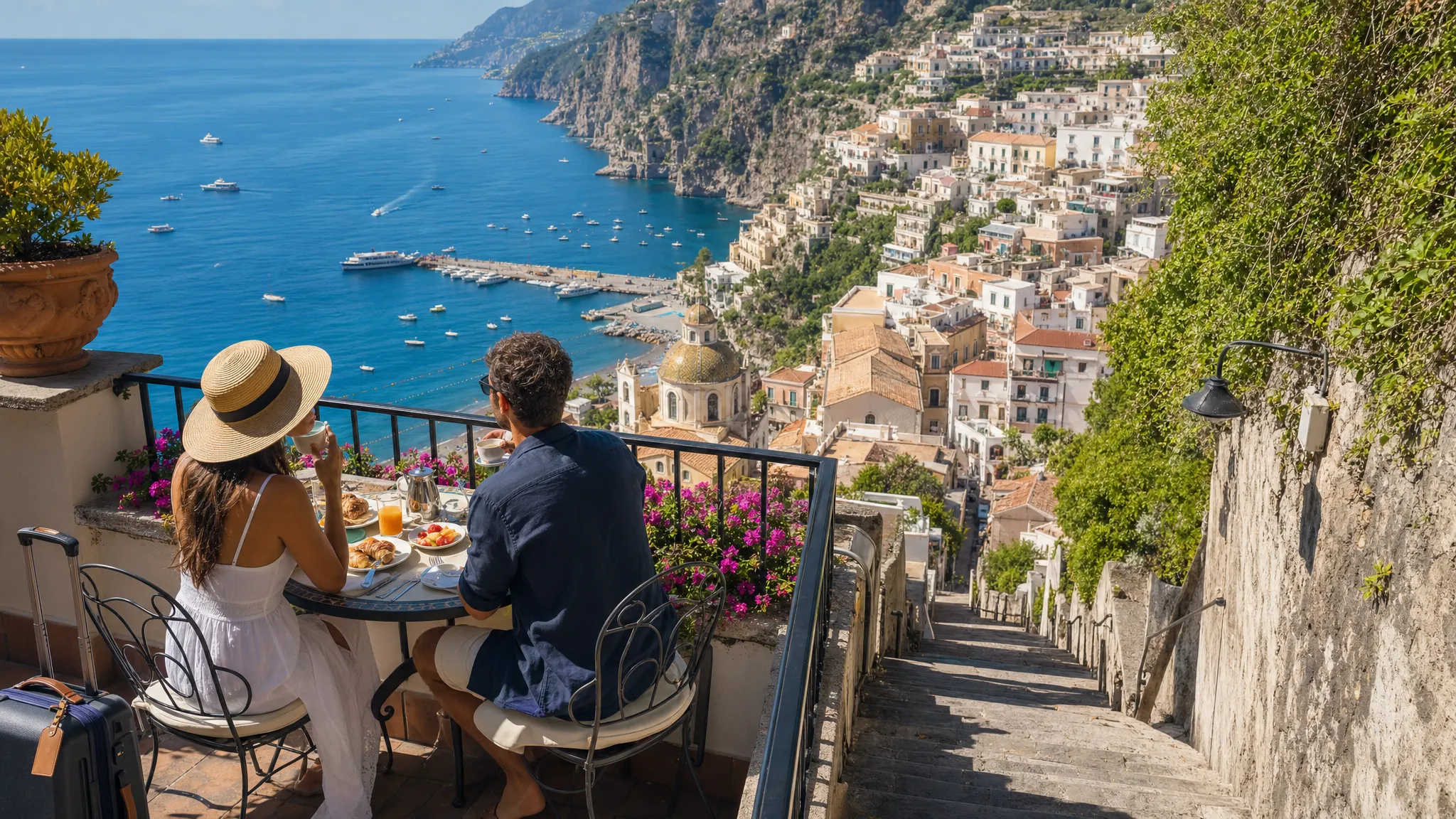
On the Amalfi Coast, the sea does not merely decorate the trip. It controls it. Roads are narrow, ferries are seasonal, luggage is awkward, and the difference between a dreamy terrace and a logistical headache can be one steep staircase, one missed boat, or one transfer you forgot to price.
This is where luxury can be absolutely worth it, but only when it buys location and ease. A cliffside room with a sea view is seductive, but the real question is whether the hotel makes it simple to reach restaurants, ferries, beaches, and the town center. If every dinner requires a car, every beach visit needs a paid shuttle, and every arrival involves hauling bags uphill, the nightly rate is only part of the bill.
In Positano, a stay like Le Sirenuse Positano can make sense for travelers who want the full theatrical Amalfi experience and do not want to trade beauty for logistics. The premium is not just the view. It is the ability to feel embedded in the place rather than commuting into it.
Amalfi town, Ravello, Praiano, and Sorrento each tell a different booking story. Positano is the cinematic choice, but it is often the most expensive and physically demanding. Amalfi town can be more practical for ferries and day trips. Ravello is quieter, more elevated, and romantic, but it separates you from the sea unless your hotel solves transport well. Praiano can offer calmer value, though you need to check exactly how you will move around. Sorrento is less intimate but more practical for trains, ferries, and day trips to Naples, Capri, or Pompeii.
The common overpayment is choosing a hotel that appears cheaper because it is slightly removed, then spending the difference on transfers, taxis, porterage, and lost time. Parking can be expensive or limited. Beach clubs may charge separately for loungers. Private transfers from Naples can cost enough to change the value of your entire stay. Breakfast inclusion matters more here than in Paris because a relaxed morning on a terrace can be part of the experience, and nearby alternatives may not always be convenient.
For families, the best upgrade may be a larger room and easier pool access rather than the most dramatic view. For couples, a balcony or terrace can be worth it if the stay is slow enough to use it. For a two-night stop, choose walkability over remoteness. For five nights or more, a quieter base with good transport can beat the famous town if the savings are real and the logistics are clear.
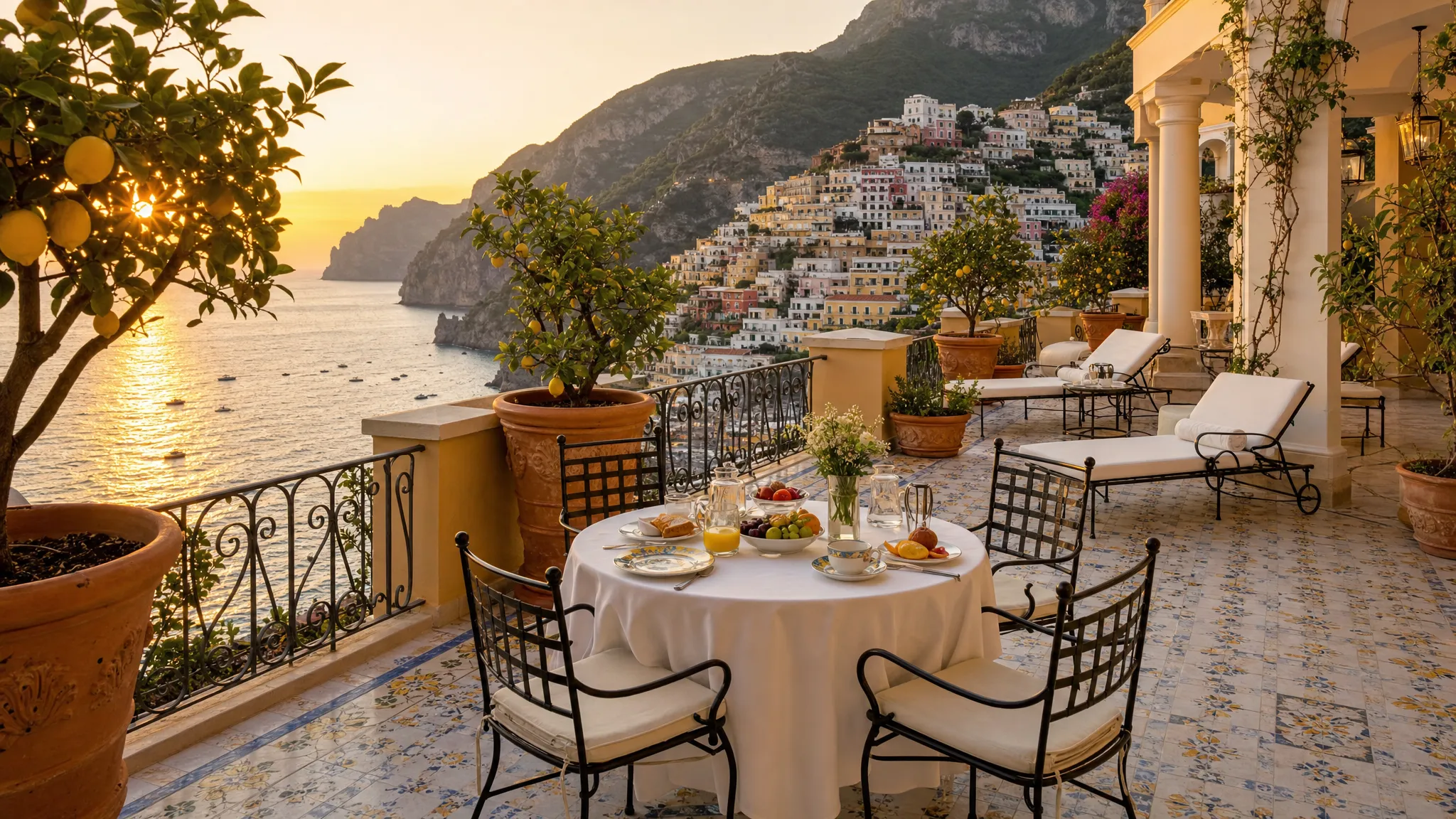
Dubai is one of the clearest examples of the difference between city luxury and resort luxury. In many cities, you book a hotel as a base. In Dubai, the hotel may be the trip. That makes the upgrade more defensible for travelers planning pool days, beach time, spa appointments, family activities, and long meals on property.
The main decision is beach resort versus city hotel. A beach resort offers space, leisure, and a controlled holiday rhythm. It is ideal for families, relaxation-focused couples, and travelers who want sunshine with minimal decision fatigue. A city hotel near Downtown or DIFC is better for business, shopping, restaurants, and shorter stays where you will spend more time moving around.
A property such as Atlantis The Royal Dubai can justify the upgrade for travelers who will use the resort ecosystem. If you plan to spend most of your time by the pool, dining on site, and treating the hotel as the center of the holiday, the premium can translate into convenience and atmosphere. If you plan to explore across the city every day, the same premium may buy amenities you barely touch.
For travelers focused on Downtown, fountain views, shopping, and shorter stays, Address Downtown Dubai represents a different kind of luxury logic. The value is proximity and efficiency rather than resort immersion. It can work especially well for business travelers adding leisure nights, couples who want polished evenings, or first-time visitors who prefer recognizable landmarks nearby.
Dubai also demands careful attention to extra costs. Taxes, tourism fees, service charges, and resort-style pricing can shift the final total. Breakfast can be costly if not included, but it may be worth it at a resort where leaving the property every morning defeats the point. Half-board can be smart for families if the hotel restaurants match your habits, but restrictive if you want to explore the city’s food scene.
Transfers matter too. A cheaper hotel far from the places you will visit can become expensive through daily rides. Beach access is not equal across properties, and some appealing city hotels require transport to reach the sand. Spa access can also be misunderstood. A room rate may include the gym or pool, while specific thermal areas, treatments, or wellness facilities cost extra.
Dubai is also highly seasonal. Winter and holiday periods can bring premium rates and strong demand. Summer can look like a bargain, but heat changes how you use the city. If you are mostly indoors, a high-end hotel with excellent facilities may be better value in summer than a cheaper property with limited amenities. If you want outdoor wandering, winter convenience may be worth paying for.
City luxury is often hardest to judge because the hotel is not the main attraction. Chicago is a useful example. The skyline is dramatic, the lake changes mood by the hour, and the city rewards walking, but weather, meeting locations, parking, and neighborhood choice can make or break the booking.
A riverfront or Near North stay can justify a higher rate if you are balancing business meetings, restaurants, architecture walks, and a short schedule. A hotel such as The Langham Chicago is most compelling when the location shortens the day. If you can walk to meetings, return between appointments, and step out for dinner without a ride, the luxury premium has practical value.
The Gold Coast offers a more residential, polished feel, especially for shopping and lake access. River North is better for restaurants and nightlife. The Loop is practical for offices and museums during the day but can feel quieter at night depending on the block. West Loop brings dining energy and a more contemporary feel, but it may not be as convenient for classic sightseeing.
Chicago is also a city where the wrong upgrade can be wasteful. Paying extra for a view may be worthwhile if the room clearly faces the river or lake and you will spend time there. A vague skyline view can disappoint. Parking can materially change the total cost, especially for travelers arriving by car. Destination fees, premium Wi-Fi tiers, breakfast charges, and early check-in requests can also reshape the final bill.
If you are choosing between classic luxury and a stylish boutique hotel, base the decision on your schedule. For a one-night business stay, classic luxury near meetings can be worth it because reliability matters. For a food-focused weekend, a boutique hotel near the restaurants you booked may deliver better value. For a family trip, room size and pool access may matter more than lobby grandeur.
This is where comparing the full trip cost becomes more important than comparing the displayed nightly rate. InnRox has a deeper guide to hotel booking mistakes that quietly raise your total cost, and that mindset is especially useful in cities where transport, parking, and meal pricing can quietly erase an apparent deal.
The value of an upgrade depends on the destination, but some patterns repeat across luxury holidays.
| Upgrade | Usually worth it when | Often not worth it when |
|---|---|---|
| Better location | It saves daily taxis, long transfers, or late-night transport stress | You plan to stay mostly inside the hotel or use private transport anyway |
| Larger room | You are staying four nights or more, working, or traveling with family | You will only sleep there and spend all day outside |
| Breakfast included | The hotel is remote, resort-based, or alternatives are limited | You are in a walkable city with great cafés nearby |
| Confirmed view | The view is specific, verified, and central to the trip | The wording is vague, such as city view or partial view |
| Club lounge or premium floor | You will use it for breakfast, work, snacks, or evening drinks | You prefer eating out and will rarely be in the hotel |
| Spa or wellness access | Access is clearly included and relaxation is a trip priority | Only treatments are available at extra cost and facilities are limited |
| Airport transfer | Arrival is late, the route is complex, or luggage is heavy | Public transport is simple, safe, and direct |
The most underrated upgrade is location. The most overrated upgrade is the ambiguous view. The most misunderstood upgrade is breakfast. In a resort, breakfast can anchor the day. In a food city, it can trap you in the hotel and cost more than a better local meal.
For travelers trying to judge top-rated luxury properties without getting distracted by scores alone, it helps to compare hotels by trip style. A romantic couple, a solo business traveler, and a family with two children can read the same five-star review and need completely different things. InnRox explores that decision process in its guide to top-rated hotels that actually match your trip style.
Luxury hotels are often transparent when read carefully, but travelers skim because the photos are persuasive. The most expensive surprises usually come from assumptions.
Do not assume breakfast is included. Do not assume beach access means complimentary loungers. Do not assume spa access includes the thermal suite. Do not assume a resort fee, tourism fee, or local tax is already reflected in the first price you see unless the booking page says so clearly. Do not assume early check-in is free, especially after overnight flights when many travelers need it most.
The best way to compare luxury hotels is to build a real final cost, not a fantasy rate. Add the room, taxes, mandatory charges, breakfast if needed, airport transfers, daily transport, parking, and any paid access you consider essential. Then compare the hotels again. The cheaper one may still win, but at least it wins honestly.
| Hidden or underestimated cost | Where it appears most often | Smart traveler check |
|---|---|---|
| Tourist or city tax | Paris, Rome, Amsterdam, many European cities | Check whether it is included or paid at property |
| Resort fee or tourism fee | Resort destinations, some city hotels | Look for mandatory nightly charges before checkout |
| Breakfast pricing | Luxury city hotels and resorts | Compare included rates against nearby alternatives |
| Parking | Major U.S. cities and coastal towns | Price valet or nearby garages before booking |
| Transfers | Islands, coastlines, late arrivals | Add airport, ferry, porter, or private car costs |
| Beach or pool access | Beach clubs and resort areas | Confirm what is included for hotel guests |
| Early check-in or late checkout | Long-haul arrival cities | Ask whether it is guaranteed, paid, or subject to availability |
| View upgrades | Landmark and coastal hotels | Look for precise wording and room category details |
This is also why clear booking terms matter. A luxury hotel with a slightly higher rate but transparent cancellation, upfront pricing, and instant confirmation can be a safer choice than a cheaper rate with rigid terms or unclear inclusions. If your itinerary is still moving, flexibility has value.
For city stays in particular, InnRox’s guide to how to compare hotel prices without missing the real final cost is worth keeping in mind before you commit to a premium room.
Before you upgrade, match the hotel to the trip you are actually taking.
If the trip is romantic, prioritize neighborhood atmosphere, quiet rooms, walkable dinners, and a room category you will enjoy slowly. A balcony can be worth it if you are not rushing from sight to sight.
If the trip is business, prioritize commute time, reliable service, workspace, breakfast timing, and late arrival support. The best luxury hotel is the one that makes the workday less fragile.
If the trip is family-focused, prioritize space, pool access, breakfast clarity, laundry options, and transport simplicity. A famous address matters less than reducing daily friction.
If the trip is a short stay, pay for location. Two nights in the right neighborhood often beat four-star value in the wrong one.
If the trip is relaxation, pay for the property itself. A resort upgrade makes sense when you will use the pool, spa, dining, beach, and room as part of the holiday rather than simply sleeping there.
If the trip is food, nightlife, or neighborhood exploration, consider boutique luxury or a strong local district. You may get a more authentic rhythm for less than the grand hotel zone.
The best luxury holidays are not always the most expensive ones. They are the ones where the expensive choices are deliberate.
Are luxury holidays worth the upgrade price? Luxury holidays are worth the upgrade when the hotel improves location, sleep, service, time, or access. If the higher rate only buys branding or vague room features, the money may be better spent on dining, experiences, or a better neighborhood.
Which hotel upgrades are most likely to be worth it? Location upgrades, larger rooms for longer stays, confirmed views, and breakfast-inclusive resort rates are often worth considering. Ambiguous city-view rooms, unused club access, and spa access that excludes key facilities are more likely to disappoint.
How do I know if a luxury hotel is good value? Calculate the full stay cost, including taxes, mandatory fees, breakfast, transport, parking, transfers, and paid amenities. Then compare how much time and stress the hotel saves. Good value is not always the lowest rate, but it should be easy to explain.
Is it better to book a luxury hotel in the city center or a quieter area? Choose the city center for short stays, sightseeing, business meetings, and walkability. Choose a quieter area for longer stays, repeat visits, relaxation, or better room size. The right answer depends on how often you will move around.
What hidden fees should I check before booking a luxury hotel? Check tourist taxes, resort fees, service charges, breakfast costs, parking, airport transfers, beach access, spa access, early check-in, late checkout, and view upgrade wording. These costs can change the real value of a luxury booking.
The smartest luxury booking is not about chasing the most impressive lobby. It is about choosing the hotel that fits your route, your schedule, your travel style, and your tolerance for friction.
With InnRox, you can search hotels with clear pricing, fast reservations, instant confirmation, and straightforward booking terms. Use it to compare luxury stays by final value, not just the first number you see, and spend your upgrade budget where it will actually improve the trip.
Tags