
Copyright © 2026 Innrox, Inc., an Innrox Group company. All rights reserved.

InnRox
Travel Experts
June 20, 2026
17 min read
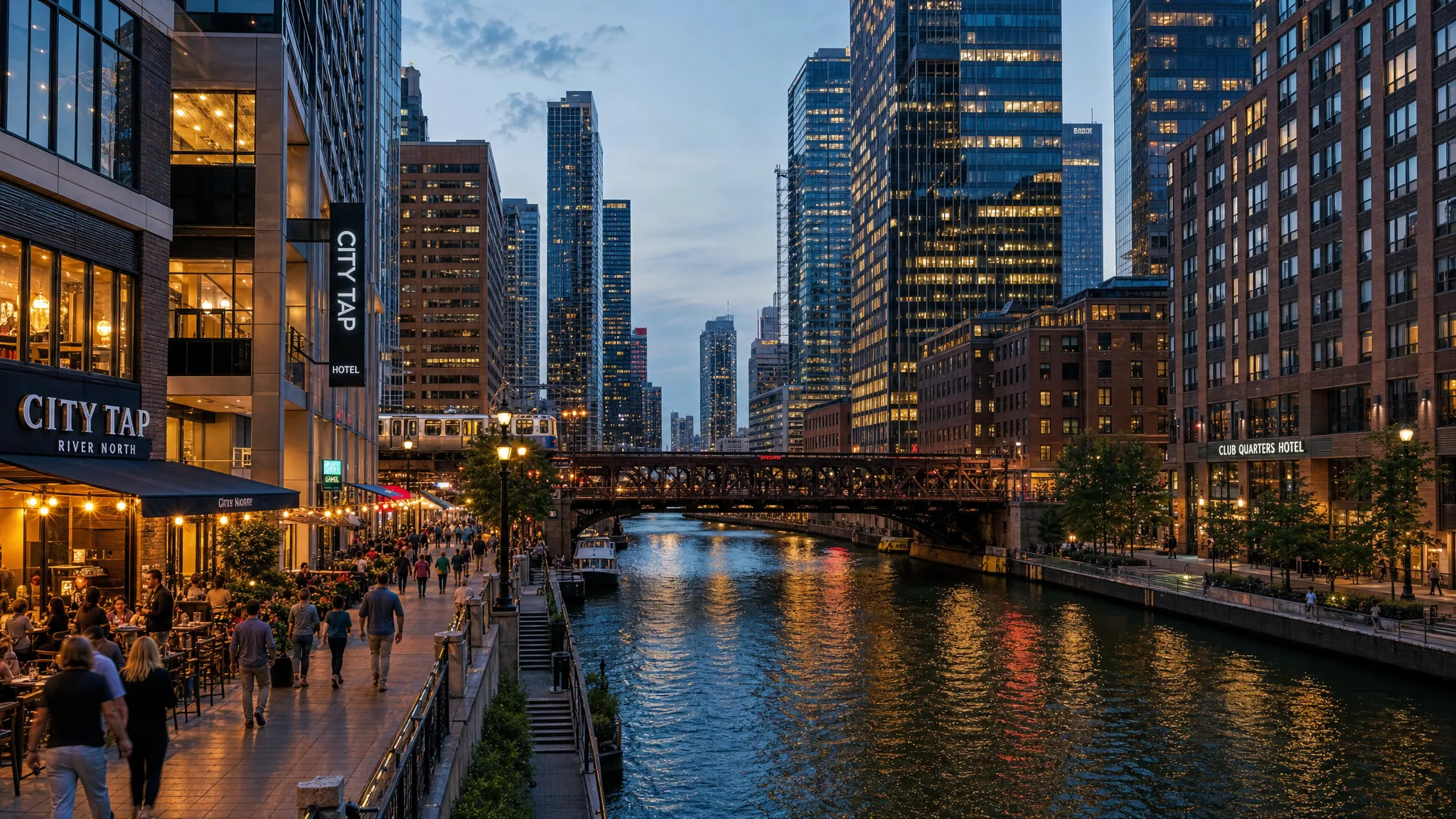
At 7:40 on a Friday evening, Chicago can make a traveler feel either brilliantly prepared or quietly trapped. The river is turning silver, office lights are blinking on, the air smells faintly of rain and steakhouse vents, and your hotel decision is about to become more than a bed. It will decide whether dinner is a five-minute walk or a surge-priced ride, whether Saturday begins with coffee by the lake or a long ride from the airport, and whether the nightly rate you celebrated still feels like a bargain after parking, breakfast, and fees.
That is the part travelers often learn too late. When you are booking a trip, the hotel is not the final detail. It is the frame around the whole experience. A great room in the wrong neighborhood can make a city feel inconvenient. A modest room in the right place can make the same trip feel effortless.
Chicago is a useful city for understanding this because it is beautiful, practical, and unforgiving in equal measure. It rewards travelers who know what kind of trip they are taking. It punishes those who choose only by stars, lobby photos, or a low base rate.
Chicago looks simple on a map: lake on one side, downtown near the river, neighborhoods stretching north, west, and south. In practice, every hotel choice changes the way the city behaves. Staying near the river makes architecture tours, business meetings, and classic first-time sightseeing easy. Staying in Wicker Park makes the city feel more local and social, but downtown museums are no longer outside the lobby. Staying near O'Hare can be smart for an early flight, but it is rarely a romantic Chicago weekend.
The first regret test is not whether the room is pretty. It is whether the location matches your daily pattern. If your trip is built around meetings in the Loop, a cheaper hotel far from downtown can turn every morning into a commute. If your trip is built around restaurants, bars, and late nights, paying extra for a silent financial-district hotel may feel sterile. If you are traveling with children, the difference between walking to Millennium Park and transferring trains in cold weather can matter more than the difference between four and five stars.
This is where travelers misread value. A hotel can be expensive and still be good value if it removes taxis, saves time, and lets you walk safely to what you came to do. A cheap hotel can be overpriced if it creates transport costs and friction every day. The right question is not, what is the lowest rate? The better question is, what will this hotel make easy, and what will it make annoying?
In 2026, that question matters even more because travelers are comparing harder, booking closer to travel dates, and noticing total price more than old-fashioned brand prestige. A hotel that hides mandatory charges behind a polished nightly rate is less attractive than one that clearly explains what you will pay. If you want a broader framework, InnRox has a practical guide to hotel booking mistakes that quietly raise your total cost, and the same logic applies strongly in Chicago.
The Loop, River North, West Loop, Gold Coast, Wicker Park, Hyde Park, and the airport corridor are not just different locations. They are different versions of Chicago. Choosing between them is choosing between convenience, atmosphere, price, and the kind of transportation you want to use.
The most tourist-heavy areas are not automatically wrong. River North and the Magnificent Mile can be excellent for a first visit, especially if you want restaurants, shopping, river access, and easy rides. The problem is paying a premium for that convenience when your actual plans are elsewhere. A hotel can advertise itself as central, but central to what? Central to business towers is not the same as central to nightlife. Central to shopping is not the same as central to museums.
| Area | Best for | What feels good | Common regret |
|---|---|---|---|
| River North and Magnificent Mile | First-time visitors, business dinners, polished weekends | Walkable restaurants, river access, classic skyline energy | Paying extra for location, views, and parking when you barely use them |
| The Loop and Millennium Park | Museums, theater, architecture, weekday meetings | Efficient sightseeing and easy transit | Some blocks feel quiet at night, especially outside event periods |
| West Loop and Fulton Market | Food-focused couples, nightlife, design hotels | Restaurants, cocktail bars, modern energy | Weekend rates can surge, and not every hotel is close to train stops |
| Wicker Park and Bucktown | Boutique stays, music, local neighborhoods | Cafes, shops, bars, Blue Line access | Downtown attractions take more planning |
| Gold Coast | Luxury shopping, lake walks, quieter elegance | Polished streets, lake proximity, residential calm | High prices can feel unnecessary if you want nightlife |
| Hyde Park | University visits, Museum of Science and Industry, slower cultural travel | Independent restaurants, lakefront, neighborhood depth | It is not convenient for daily River North or Loop plans |
| O'Hare and Rosemont | Early flights, conferences, one-night stays | Practicality, shuttles, easier airport logistics | It can feel like you visited an airport, not Chicago |

Classic luxury in Chicago is often tied to the river and the lake. You are paying for silence above the city, gracious service, strong views, and a location that makes a short trip feel cinematic. That can be money well spent if the hotel itself is part of the experience, such as an anniversary weekend, a client-facing business trip, or a winter stay where you will spend more time indoors.
For that version of the city, The Langham Chicago is the kind of hotel travelers consider when they want the river to be part of the memory, not just a landmark they pass on the way to dinner. The value is not only the room. It is the combination of location, service, calm, and the feeling of being inside Chicago's architectural postcard.
But luxury is not always the smartest upgrade. If your itinerary is packed from breakfast to midnight, a high-end room may become an expensive storage unit for your suitcase. The river view you paid for will not matter if you only see it while brushing your teeth before rushing out. In that case, location still matters, but you may not need the highest category.
Historic design hotels offer a different kind of value. A place like Chicago Athletic Association Hotel can suit travelers who want atmosphere, architecture, and proximity to Millennium Park without choosing a purely conventional luxury stay. It is especially compelling for travelers who care about design and walkability more than spa-like seclusion.
Boutique neighborhood hotels ask a different question: do you want to visit Chicago's icons, or live inside one of its neighborhoods for a few days? The Robey Chicago makes more sense for travelers who want Wicker Park energy, Blue Line access, independent shops, and evenings that do not revolve around downtown. It is less ideal if your dream schedule is museums, lakefront landmarks, and early morning meetings in the Loop.
Hyde Park is the clearest example of a hotel choice that is excellent for one traveler and wrong for another. Sophy Hyde Park can be a smart base for university visits, South Side cultural exploration, and a slower, more residential Chicago stay. But if you expect to bounce between River North restaurants and Loop attractions every day, the transport time can become the hidden cost.
Airport hotels deserve respect, but only for the right job. If you land late, leave early, attend a conference in Rosemont, or need shuttle practicality, they can be the rational choice. If you book them because the rate looks lower for a leisure weekend, you may spend the savings on rides and lose the emotional reason you came to the city.
The nightly rate is only the headline. The final trip cost is the story underneath. Chicago is not a resort destination in the tropical sense, but urban hotels increasingly use amenity or destination fees that can feel similar. These may cover Wi-Fi, fitness access, credits, or services you may not use. A fee is not automatically unfair if it is clearly shown and genuinely useful, but it should be counted before you compare two hotels.
Parking is the most obvious trap. Downtown valet charges can make a cheaper hotel suddenly more expensive than a better-located hotel where you do not need a car at all. For most visitors staying downtown, driving is often less convenient than using trains, walking, or rideshare. If you are planning day trips beyond the city, compare hotels with parking packages or consider renting a car only for the day you need it.
| Cost to check | Why it catches travelers | Smarter booking move |
|---|---|---|
| Amenity or destination fees | They may appear after the base rate and cover things you do not value | Compare the final price, not the room rate alone |
| Parking | Downtown parking can erase a cheap-rate advantage | Avoid bringing a car unless your itinerary truly requires it |
| Breakfast | Upscale hotel breakfasts can be costly for families or long stays | Compare breakfast-included rates with nearby cafe options |
| Local taxes and mandatory charges | They can make the checkout total feel much higher than the search result | Review the total before confirming |
| Early check-in or late checkout | Flight times often do not match hotel policies | Ask in advance and price it against luggage storage or lounge time |
| View upgrades | City-view wording can be vague and disappointing | Pay only for a clearly defined river, lake, or landmark view if it matters |
| Airport transfers | Rides from O'Hare or Midway can vary by time and traffic | Compare train access, shuttle availability, and late-night arrival plans |
| Minibar and service charges | Small conveniences can add up quickly | Use nearby stores for snacks and check service policies |
| Spa, pool, or lounge access | Access may be limited, reserved, or tied to room category | Confirm what is included before upgrading |
| Cleaning fees | More common in apartment-style stays than traditional hotels | Compare total stay cost if considering non-hotel lodging |
The lakefront creates another subtle misconception. Chicago has beaches and public waterfront paths, but a hotel near the lake is not the same as a private beach resort. Do not pay a vague lifestyle premium unless the location genuinely supports your plans. A lake-adjacent hotel can be wonderful for morning runs and summer walks, but beach access itself is not usually the expensive privilege. The premium is location, view, and season.
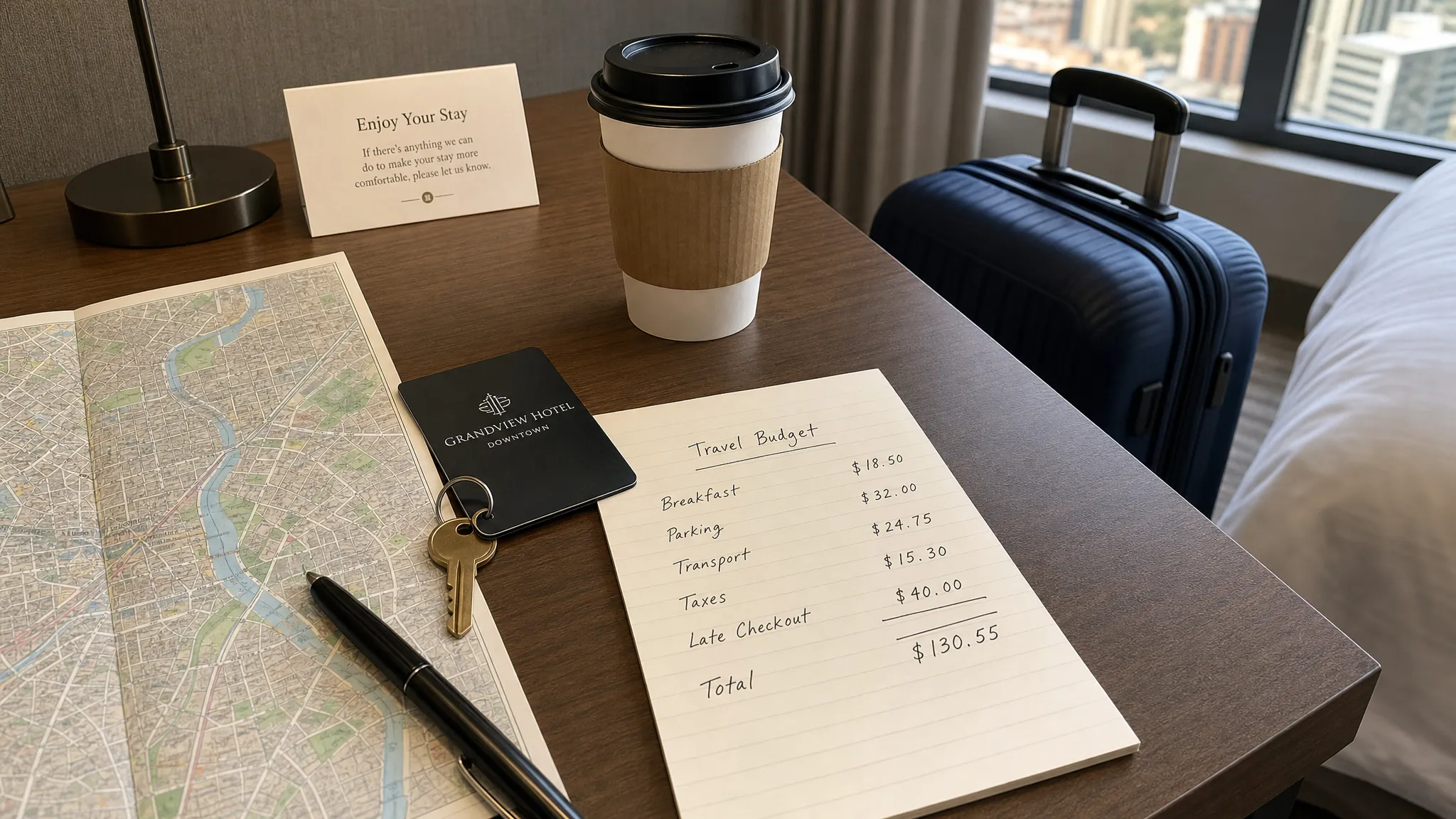
A premium upgrade is worth buying when it changes how you use the trip. It is not worth buying when it only changes how the booking page makes you feel. The best upgrades are practical, not just aspirational.
A river or lake view can be worth it for a romantic weekend, a first Chicago visit, or a slow winter trip where the room becomes part of the pleasure. It is usually less worthwhile for a conference stay, a packed museum schedule, or a nightlife trip where you return after dark and leave early.
Breakfast-inclusive rates are more complicated than they look. For a family, breakfast included can simplify mornings and prevent expensive impulse spending. For a couple staying near excellent cafes, it may be unnecessary. For a business traveler with early meetings, it can be valuable if service is fast. The question is whether it replaces a real cost or merely adds convenience you would not have purchased separately.
Club lounge access follows the same logic. It can be smart for travelers who will actually use breakfast, evening snacks, quiet work space, or soft drinks through the day. It is rarely good value if your trip is built around Chicago restaurants. Paying for a lounge in the West Loop, then skipping the neighborhood's food scene, is the kind of contradiction that creates regret.
Flexible cancellation and pay-later options are often underrated. They are not glamorous, but they protect you when flight prices change, weather shifts, event plans move, or a better rate appears. If two hotels are close in price, the one with clearer, more flexible terms may be the better deal even if the base rate is slightly higher.
This is also why star ratings alone are weak decision tools. A top-rated hotel can still be wrong for your trip style. If you want to think through that distinction more carefully, InnRox's guide to top rated hotels that actually match your trip style is useful before comparing specific properties.
Chicago changes dramatically by season, and hotel value changes with it. Summer and early fall bring lakefront energy, festivals, weddings, outdoor dining, and major events. The atmosphere is glorious, but rates can jump quickly. A hotel that feels reasonably priced in February may become a serious splurge in September.
Weekdays and weekends behave differently depending on the neighborhood. The Loop can be driven by business demand during the week, then shift in price and atmosphere on weekends. West Loop and River North can become more expensive when food, nightlife, and event travelers arrive. A Tuesday conference night can cost more than a Saturday in some areas, while a big concert or marathon weekend can make ordinary rooms feel luxurious in price only.
Winter can offer real value, but only if you are honest about weather. A cheaper hotel farther from your plans may become less attractive when wind, snow, or freezing rain turns every transfer into a chore. In cold months, paying more for walkability can be a comfort upgrade disguised as a location choice.
Shoulder seasons, especially parts of spring and late fall, can be the sweet spot. You may find better rates, fewer crowds, and enough city energy to enjoy restaurants and museums without summer surge pricing. But always check what is happening during your dates. A convention, graduation, sports weekend, or festival can change pricing overnight.
The right hotel is rarely universal. It is personal, situational, and sometimes surprisingly unromantic. The hotel that makes a honeymoon feel effortless may be wrong for a sales trip. The hotel that saves a family money may bore a solo traveler who wants nightlife.
| Trip type | Better hotel style | Best area logic | What to avoid |
|---|---|---|---|
| First-time sightseeing | Central full-service or design hotel | River North, Loop, Millennium Park access | Far airport rates that create daily commuting |
| Romantic weekend | River luxury, Gold Coast elegance, or stylish boutique | Pay for atmosphere if you will slow down and enjoy it | Upgrades you will not use, especially vague city views |
| Food and nightlife trip | Boutique or modern hotel near restaurants | West Loop, Wicker Park, River North | Quiet business areas far from evening plans |
| Family trip | Walkable hotel with room size and breakfast clarity | Loop, River North, near parks or museums | Low base rates with costly breakfast and parking |
| Business trip | Reliable full-service hotel near meetings | Loop, River North, conference corridor | Saving money in a neighborhood that adds commute stress |
| Early flight or layover | Airport hotel with shuttle clarity | O'Hare or Midway access | Pretending an airport hotel is a city vacation base |
| Culture-focused repeat visit | Boutique or neighborhood hotel | Hyde Park, Wicker Park, Logan Square-adjacent areas | Paying downtown premiums out of habit |
Notice how often the answer is not simply cheaper or nicer. It is more aligned. Good value means the hotel supports the trip you are actually taking.
Before you book, imagine the first 24 hours of your stay in detail. Your flight lands at 5 p.m. How do you get to the hotel? Does check-in line up with dinner? Are you walking, riding, or waiting? The next morning, where is coffee? How long to your first planned stop? If it rains, does your hotel still work?
Now imagine the hidden costs. If you arrive early, is there a fee to check in, or can you leave luggage? If you drive, where does the car go and what does it cost? If breakfast is not included, will you care? If the hotel charges an amenity fee, do the benefits match your habits? If you booked a city-view room, what exactly is the view?
This mental exercise is simple, but it prevents expensive fantasy booking. Travelers often choose the hotel that belongs to the vacation they wish they were taking, not the one they are actually taking. A relaxed luxury stay and a packed sightseeing itinerary are different products. A local neighborhood weekend and a downtown business trip need different bases.
For Chicago, the smartest booking choice is usually the one that reduces friction. If you can walk to most of your plans, avoid a car, understand the final price, and choose only the upgrades you will use, the trip already has fewer ways to disappoint you.
What is the best area to stay in Chicago for a first trip? River North, the Loop, and the Millennium Park area are usually the easiest for first-time visitors because they keep major sights, restaurants, river walks, and transit close. River North feels livelier at night, while the Loop can be more efficient for museums and architecture.
Is it worth paying more for a luxury hotel in Chicago? It is worth it when the hotel experience is part of the trip, such as a romantic weekend, client-facing business travel, or a winter stay where comfort matters. If you will be out all day, a well-located boutique or design hotel may offer better value.
Should I stay near O'Hare to save money? Only if you have an early flight, late arrival, airport meeting, or conference nearby. For a leisure trip, the lower rate can be offset by transport costs, longer travel times, and the feeling of being outside the city experience.
Are Chicago hotel view upgrades worth it? River and lake views can be memorable, but vague city-view upgrades are often less impressive than they sound. Pay for a view only when it is clearly defined and you expect to spend time in the room.
What hidden hotel costs should I check before booking? Check amenity fees, parking, breakfast, local taxes, early check-in, late checkout, minibar policies, spa or lounge access, and airport transfer costs. Compare the final price, not only the nightly rate.
Regret-free travel does not come from finding the fanciest room or the lowest number on the first search screen. It comes from matching neighborhood, hotel category, transport, flexibility, and total cost to the trip you actually want.
InnRox is built for travelers who want that clarity: competitive hotel rates, upfront final pricing, instant confirmation, flexible options where available, and a booking flow without unnecessary clutter. When you are ready to compare stays, you can search hotel options in Chicago on InnRox and choose the hotel that makes your trip feel smarter from the start.
Tags