
Copyright © 2026 Innrox, Inc., an Innrox Group company. All rights reserved.

InnRox
Travel Experts
July 3, 2026
16 min read
The cheapest hotel I ever regretted was not dirty, unsafe, or badly reviewed. It was simply in the wrong place.
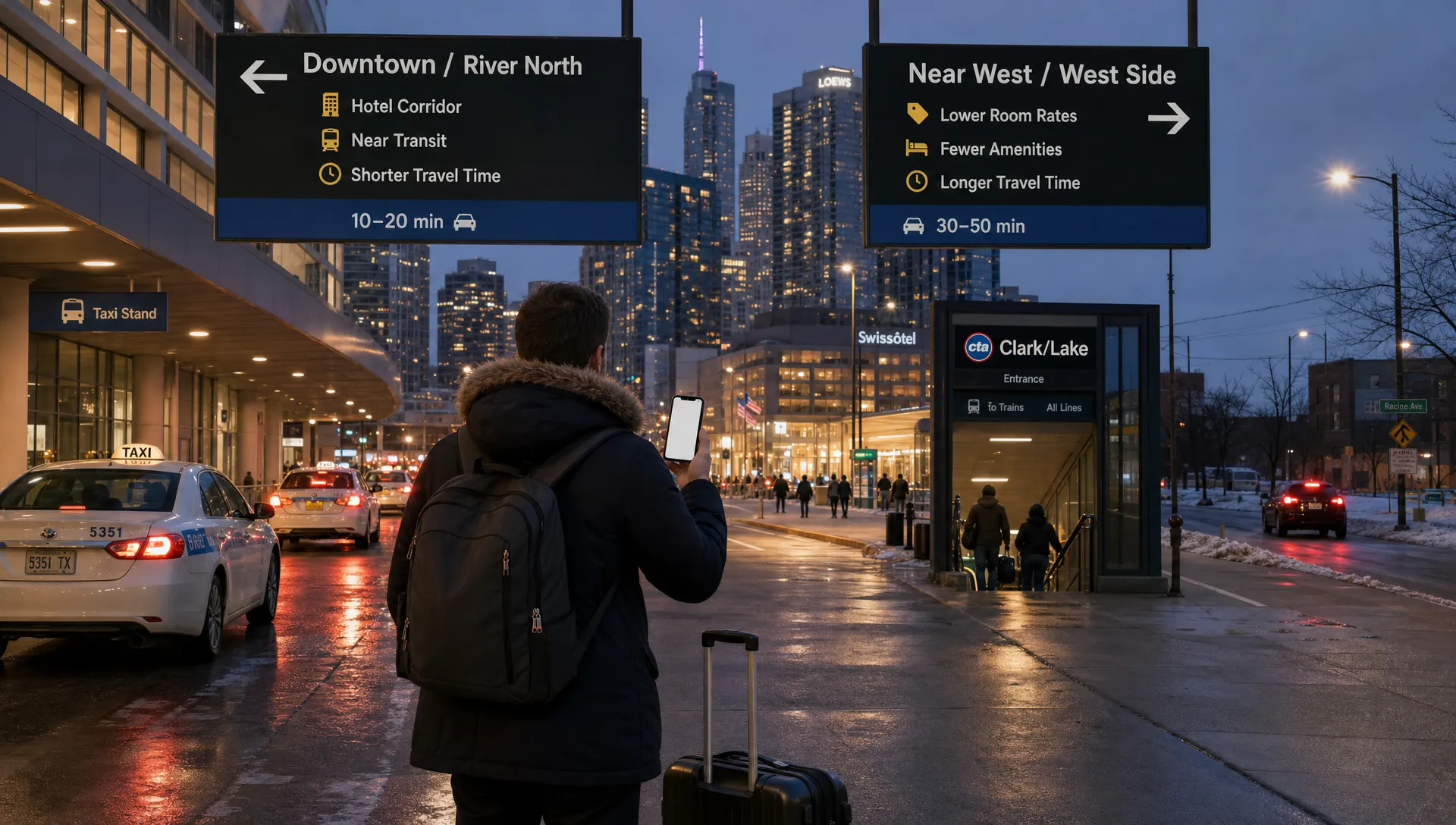
A colleague and I had landed in Chicago after a delayed evening flight, both with meetings downtown the next morning. His hotel looked like the win on paper, nearly $70 less per night than mine. By 8:15 a.m., he had paid for a rideshare through traffic, skipped breakfast because it was not included, and arrived late enough to miss the informal coffee where most of the useful business actually happened. My room cost more, but I walked ten minutes, had time to review notes, and avoided a transportation bill that nearly erased the savings.
That is the quiet truth behind the best trip booking sites in 2026: they are not the ones that only show the lowest nightly rate. They are the ones that help you see the whole trip before you commit, including flexibility, support, neighborhood fit, and the small fees that turn a deal into a disappointment.
Hotel booking has become faster, but not always clearer. A room can look affordable until taxes appear at checkout. A “central” location can mean twenty minutes from the train station you actually need. A luxury upgrade can promise a city view and deliver a higher floor facing another building. A flexible rate can be worth every dollar on a weather-prone weekend, while a nonrefundable bargain can be fine for a fixed business trip.
So instead of treating trip booking sites like interchangeable search boxes, smart travelers should judge them like travel tools. The right site should help you choose where to stay, what to pay for, when to avoid upgrades, and how to recover if your plans change.
A strong hotel booking site should answer five questions before you reach the payment page: What is the final price? What does the room include? How easy is cancellation? What happens if something goes wrong? And is the location actually right for this trip?
Those questions matter more than glossy hotel photos. In dense cities, transportation changes the value equation. In resort areas, fees and access rules can change the real cost. In business districts, weekday demand can make a Tuesday night more expensive than a Saturday. In romantic neighborhoods, atmosphere may be worth paying for, but only if you are not also paying for taxis every evening.
Here is the practical comparison most travelers should make when evaluating trip booking sites.
| Type of booking site | Best for | What to check before booking | Common pitfall |
|---|---|---|---|
| Hotel-first booking platforms | City stays, business trips, short-notice hotels | Final price, cancellation terms, confirmation speed | Choosing only by nightly rate without checking the neighborhood |
| Package-focused sites | Travelers bundling multiple trip parts | Change rules, baggage, transfer costs, hotel flexibility | Saving upfront but losing flexibility later |
| Luxury-focused travel services | Special occasions, high-touch trips | What perks are confirmed versus requested | Paying for prestige when location matters more |
| Last-minute deal platforms | Flexible travelers, spontaneous stays | Room type, check-in time, refund rules | Accepting a cheap room that does not fit the trip |
| Direct hotel booking | Loyalty members, repeat guests | Total price, taxes, member restrictions | Assuming direct always means cheaper or more flexible |
For travelers who want a deeper framework, InnRox’s guide to what really matters when choosing the best site for hotel reservations breaks the decision down around final price, location, cancellation terms, and transport access.
The best trip booking sites also avoid burying the painful details. If breakfast costs extra, you should know before you book. If parking is expensive, it should not be a surprise at checkout. If a free cancellation window closes three days before arrival, that timing matters. Flexibility is not a decorative filter. It is often the difference between a smart booking and a stranded payment.
Chicago is a perfect city for testing hotel booking logic because the map can mislead you. A hotel that looks close to downtown may still put you on the wrong side of the river, the wrong transit line, or a long rideshare route during rush hour. In winter, even a fifteen-minute walk can feel very different when the wind cuts between towers.
For a business traveler, a luxury hotel near the river can be worth more than a cheaper room farther out. Staying somewhere like The Langham Chicago puts you in a high-convenience zone where meetings, restaurants, and the riverfront are easy to combine. The value is not only the room. It is the reduced friction: fewer taxis, shorter walks, easier client dinners, and less risk if your schedule shifts.
But that does not make luxury the automatic answer. A traveler who wants restaurants, nightlife, and a less formal stay may prefer a boutique-leaning base such as The Hoxton Chicago in the Fulton Market area. You trade some classic downtown polish for neighborhood energy, better evening atmosphere, and a more local dining rhythm. For a solo leisure trip or a work trip with flexible meetings, that trade can feel smarter.
The booking pitfall in Chicago is parking. If you drive into the city, a cheap hotel rate can collapse under nightly parking charges. Some properties charge enough for parking that a slightly more expensive hotel near transit becomes the better deal. Another underestimated cost is breakfast. A business traveler may value an included or nearby breakfast more than a decorative room upgrade, especially when mornings are tight.
Weekday pricing also matters. Downtown business hotels may surge during conferences or major events, while weekend rates can soften in some commercial areas. A good booking site should make it easy to compare dates, cancellation rules, and total cost without forcing you through multiple screens.
Barcelona seduces travelers into booking emotionally. You see a terrace, a tile floor, a glowing sunset over rooftops, and suddenly the room feels chosen before the practical questions begin. But Barcelona is also a city where two hotels at the same price can produce completely different trips.
If your priority is walking, dining, architecture, and easy access to several neighborhoods, Eixample often delivers better all-around value than the most tourist-packed corners of the old city. A hotel such as Almanac Barcelona can make sense for travelers who want a polished city base without feeling trapped in one narrow sightseeing corridor. You can walk, use transit easily, and return to a calmer grid after the evening crowds.
A more boutique city stay such as Hotel Pulitzer Barcelona suits travelers who want central energy and a shorter-stay rhythm. For a two-night visit, convenience may beat room size. For a five-night stay, the same central buzz can feel tiring if your room is small or street noise is noticeable.
The beach is the classic Barcelona booking trap. Staying near the water sounds relaxing, especially in summer, but beach-adjacent hotels can command high seasonal pricing while placing you farther from some of the city’s best evening neighborhoods. If your trip is built around swimming, late lunches, and sea air, that premium may be worth it. If your itinerary is museums, restaurants, shopping, and architecture, you may be paying for a beach identity you barely use.
Tourist taxes are another line item travelers should expect in many European cities, including Barcelona. They may not always be prominent at the first search stage, and they can vary by accommodation type and category. Breakfast can also be surprisingly expensive at upscale hotels. For couples, a paid hotel breakfast may feel convenient on the first morning, but local cafés often deliver better atmosphere for less money.
The smartest move is to compare the room not only against other rooms, but against your actual days. If you plan to return to the hotel for afternoon rests, pay more for comfort and location. If you will be out from morning to midnight, spend on neighborhood access and flexible cancellation rather than a view upgrade.

In Japan, travelers often obsess over hotel design, but the most valuable amenity is usually station access. A beautiful room that adds two transfers to every journey can quietly drain your energy. A simpler hotel near the right rail line may feel more luxurious by day three than a more photogenic property in the wrong district.
Tokyo makes this especially clear. A hotel such as Park Hotel Tokyo can appeal to travelers who want a polished base with strong access to business, dining, and transit connections. For a short stay, airport access and rail convenience can outweigh neighborhood charm. If you have only 48 hours, every transfer matters.
Kyoto asks a different question: do you want quiet atmosphere or maximum mobility? A hotel like Nohga Hotel Kiyomizu Kyoto may attract travelers looking for a softer, more neighborhood-oriented stay rather than a purely station-focused one. That can be wonderful for couples and culture-focused travelers, but less ideal for anyone planning multiple day trips by train.
The hidden cost in Tokyo and Kyoto is not always a fee. Sometimes it is time. A hotel far from the station may be cheaper, but if you are hauling luggage, navigating rain, or returning late after dinner, the savings can feel smaller each day. Airport transfers can also vary widely depending on whether you use rail, bus, taxi, or private car. A trip booking site that helps you evaluate location clearly is doing more than selling a room. It is protecting your itinerary.
Room size is another common surprise. Some city hotels offer compact rooms that work well for solo travelers but feel tight for couples with large luggage. Paying for a larger room can be worth it on longer stays, but not always for one night before a train departure. In Japan, early check-in is not something to assume. If your flight arrives early, check whether the hotel offers luggage storage or paid early access before you choose a nonrefundable rate.
The best trip booking sites make flexibility visible. They do not make you guess whether a rate is refundable, whether payment is due now or later, or whether the hotel can be changed if your flight shifts.
There are moments when the cheapest nonrefundable room is reasonable. If you are traveling for a fixed wedding date, a confirmed conference, or a same-week trip with stable flights, locking in a lower rate may be smart. But if your trip depends on weather, visa timing, work approval, medical needs, or connecting flights, flexibility can be worth more than the discount.
This is where travelers often misjudge value. A refundable hotel that costs $25 more may be a bargain if it lets you rebook after a flight change. A pay-later option can help when comparing multiple destinations or waiting for a business itinerary to finalize. A site that offers clear final prices, instant confirmation, and flexible options where available gives travelers a better basis for decisions than a site that only highlights the lowest number.
If you are deciding whether to bundle travel components, compare the convenience against the loss of control. InnRox’s guide on whether to book flight and hotel together or separately is useful because the right answer depends on baggage, transfers, cancellation rules, and how fixed your dates really are.
Support matters most when things go wrong. A hotel may not see your reservation immediately. A flight delay may push arrival past midnight. A storm may force a reroute. In those moments, the booking site’s support model becomes part of the product. Look for clear confirmation, accessible reservation details, and policies written in plain language.
Most hotel waste does not come from one dramatic mistake. It comes from small assumptions. Travelers assume a better view means a better stay. They assume central means walkable. They assume luxury means fewer extra charges. They assume free cancellation lasts until arrival day. Often, none of those assumptions are true.
The most common overpayments fall into a few patterns.
| Booking choice | When it is worth it | When it is usually overhyped |
|---|---|---|
| City-view upgrade | Special occasions, skyline destinations, longer room time | Short stays when you will barely be in the room |
| Club or lounge access | Business trips, families needing snacks, expensive dining cities | Trips built around local restaurants and nightlife |
| Hotel breakfast | Early meetings, remote locations, family convenience | Food-focused cities with great cafés nearby |
| Beachfront premium | Relaxation trips centered on swimming and resort time | City trips where the beach is only one afternoon |
| Remote cheaper hotel | Road trips, retreats, rental car itineraries | Walkable city breaks with high taxi or transit time |
| Nonrefundable rate | Fixed dates and last-minute certainty | Weather-sensitive, work-dependent, or multi-leg trips |
For cheap hotel hunters, the key is to identify genuine value rather than discounted inconvenience. A lower rate is valuable when the hotel is clean, well located for your plans, transparent about fees, and easy to confirm. It is not valuable if you lose the difference to taxis, parking, breakfast, or stress.
For more city-focused tactics, InnRox’s hotel price comparison tips for smarter city stays explain why the lowest nightly rate is only one part of the real travel cost.
A booking site should make you feel calmer, not more suspicious. Before you enter payment details, you should be able to understand the total price, taxes and fees, room type, cancellation deadline, payment timing, and confirmation process.
This is where InnRox is built for travelers who want hotel booking without clutter. On InnRox, travelers can search competitive hotel rates worldwide, see clear upfront pricing, book with instant confirmation, and choose flexible options such as free cancellation or pay-later deals where available. That combination is especially useful for city stays, business trips, and short-notice bookings where speed and clarity matter.
The platform’s value is not pretending every hotel is perfect. It is helping travelers move through the decision faster with fewer surprises. When final price, availability, and policies are easier to understand, you can spend more attention on the choice that really shapes the trip: where you should stay.
The best booking decision usually comes from matching trip style to hotel style. A romantic weekend needs atmosphere and walkability. A business trip needs reliability and proximity. A family stay needs room practicality and predictable costs. A luxury trip needs service and location, not just marble. A short stay needs transport efficiency above almost everything else.
Start with your nonnegotiables. If you need free cancellation, filter for it early. If you are arriving late, prioritize instant confirmation and clear check-in terms. If you are traveling with a car, check parking before comparing room rates. If you are staying in a city for the first time, choose the neighborhood before falling in love with a hotel photo.
Then compare the total trip experience. In Chicago, the downtown hotel may beat the cheaper edge-location room. In Barcelona, Eixample may beat the beach if your plans are cultural and culinary. In Tokyo, rail access may beat a larger room. In Kyoto, quiet atmosphere may beat station convenience if the trip is slow and romantic.
Finally, decide which upgrades support the actual trip. Pay for a better location before paying for a vague view. Pay for breakfast when mornings are tight, not when the city’s cafés are part of the pleasure. Pay for flexibility when uncertainty is real. Avoid paying for amenities you will not use.
The best trip booking sites do not simply display hotels. They help you make these tradeoffs clearly. They reduce uncertainty, reveal the real cost, and give you enough support to book with confidence.
What are the best trip booking sites for hotels? The best trip booking sites for hotels are the ones that show clear final prices, flexible cancellation terms, reliable confirmation, useful location context, and accessible support. A low nightly rate alone is not enough if taxes, parking, breakfast, or transport costs make the stay more expensive.
Is it better to book a cheaper hotel farther from the center? Sometimes, but only if transportation is easy and inexpensive. In cities with high taxi costs, heavy traffic, or limited transit late at night, a cheaper remote hotel can cost more in time and transfers than a better-located property.
Are flexible hotel rates worth paying more for? Flexible rates are worth it when your plans may change because of flights, work schedules, weather, visas, or family needs. If your dates are fixed and the trip is soon, a nonrefundable rate may be reasonable, but only after checking all terms carefully.
What hidden hotel fees should travelers watch for? Common underestimated costs include tourist taxes, resort or destination fees, parking, breakfast, early check-in, late checkout, minibar charges, spa access, beach access, service charges, and airport transfers. These can change the real value of a booking.
How do I know if a hotel upgrade is worth it? An upgrade is worth it when it improves how you will actually use the trip. Larger rooms help on long stays, lounge access can help business travelers or families, and a premium location can save transport time. Vague view upgrades and unused amenities are often less valuable.
Ready to book with fewer surprises? Search hotels on InnRox to compare clear prices, flexible options where available, and fast reservations for your next city stay, business trip, or last-minute escape.
Tags