logo

Find Your Ideal 
Montreal Hotel

Why Visit Montréal?

Montréal is the largest French-speaking city in North America. French is the default on signs and menus, English is everywhere too, and most people in the service industry switch between the two without being asked. About 1.8 million people live in the city itself, around 4.4 million in the metro area.

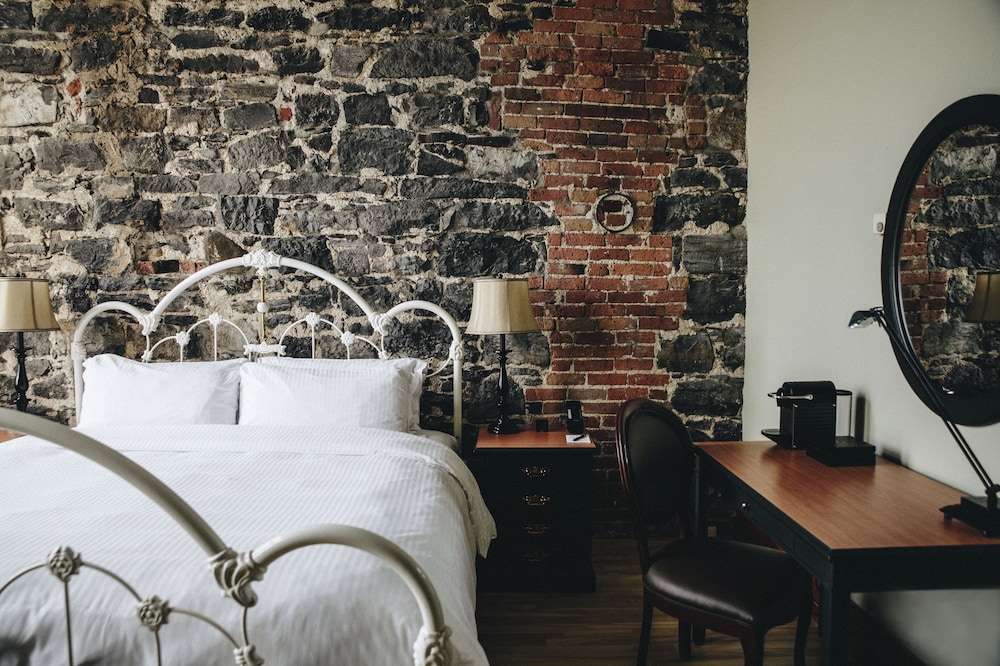
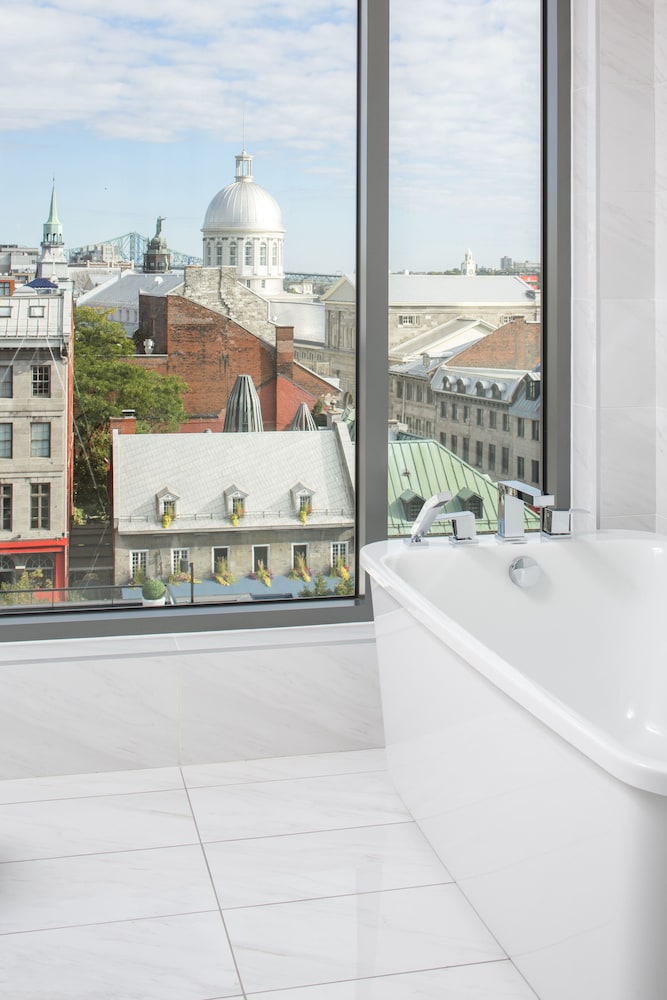
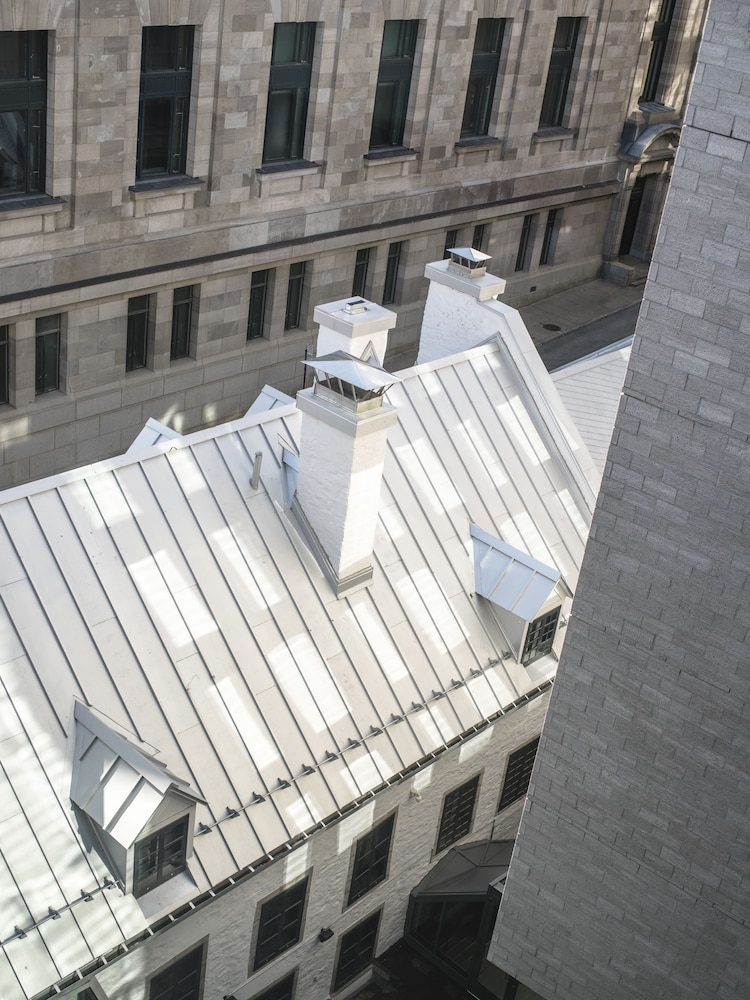
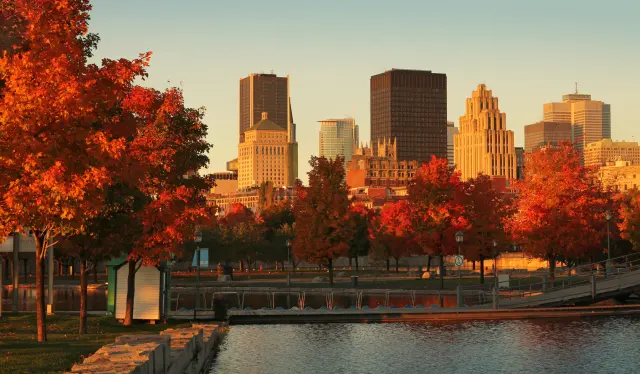
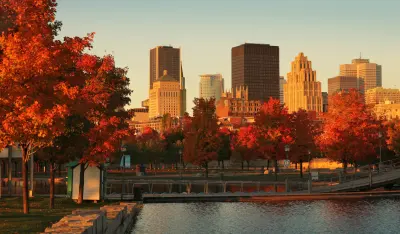
The layout is straightforward. Old Montréal sits along the river with stone buildings and narrow streets. A few blocks north is modern downtown. North of that is the Plateau and Mile End, which are mostly residential and where most of the local nightlife and café culture is.

The city runs more than a hundred festivals a year and is at its best from late June through early August. Winter is cold - regularly below -15 °C in January - but the underground network of pedestrian tunnels keeps a lot of the city accessible without going outside.

Fun Things to Do in Montréal

  • Old Montréal (Vieux-Montréal): the historic core along the river. Notre-Dame Basilica is worth going inside for. The Old Port has waterfront walks and a Ferris wheel.
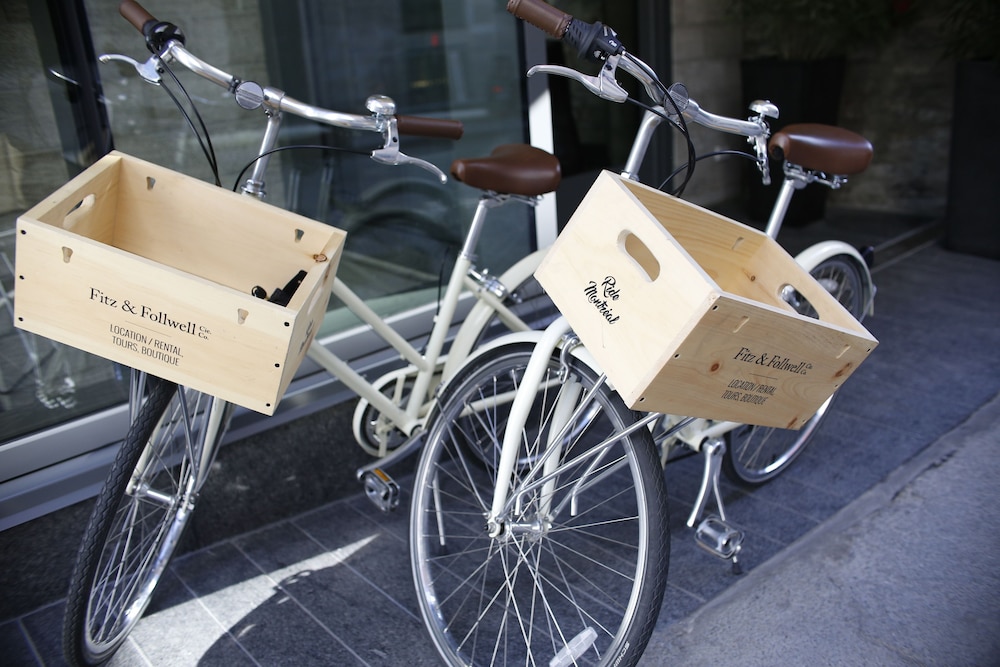
  • Mount Royal (Mont-Royal): the hill the city is named after. Walk or bike up for the view from the Kondiaronk Belvedere. In winter it has a skating rink and sledding hills.
  • The Underground City (RÉSO):about 33 km of pedestrian tunnels linking metro stations, malls, hotels, and offices. Most useful in February when you don't want to go outside.
  • The food:poutine is the obvious one. The two local specialities worth tracking down are Montréal-style bagels (St-Viateur or Fairmount) and smoked meat (Schwartz's is the famous spot, with the queue to match).
  • Festivals: the Montréal International Jazz Festival in late June/early July and Just for Laughs in July are the two biggest. Both are partly free and outdoors.
  • Museums:the Montréal Museum of Fine Arts (MMFA) is the largest. Pointe-à-Callière covers the city's archaeology and sits on the actual founding site.

Neighbourhoods and Areas to Stay in Montréal

A quick rundown of where to base yourself:

  1. Old Montréal
    • Why stay: the prettiest part of the city and where most of the boutique hotels are. Quieter at night once the day-trippers leave. Restaurants here lean tourist-priced.
  2. Downtown (Centre-Ville)
    • Why stay: the most hotel options and the best metro access. Direct connection to the Underground City, which matters from December to March.
  3. Le Plateau-Mont-Royal
    • Why stay: residential, full of cafés, terraces, and triplexes with outdoor staircases. Closer to where Montrealers actually go out. Mostly Airbnbs and small inns, not big hotels.
  4. Mile End
    • Why stay:north of the Plateau, with the two main bagel shops, independent bookstores, and a lot of the city's English-speaking creative crowd. Quieter than downtown.
  5. Griffintown & Little Burgundy
    • Why stay:an old industrial area along the Lachine Canal, now mostly new condos with some of the city's better restaurants (Joe Beef and its neighbours are here). Walking distance to downtown and Old Montréal.
  6. Hochelaga-Maisonneuve
    • Why stay: east of downtown, near the Olympic Stadium, Biodome, and Botanical Garden. Cheaper and more residential, with fewer hotels. Easy enough by metro.

If it's your first visit, summer or early autumn is the easier call. If you do come in winter, pack proper boots and plan for indoor stretches between outdoor ones.

Innrox Logo

Copyright © 2026 Innrox, Inc., an Innrox Group company. All rights reserved.