
Copyright © 2026 Innrox, Inc., an Innrox Group company. All rights reserved.


InnRox
Travel Experts
April 22, 2026
10 min read
The first time I understood that travel hotels are not “just a bed” was on a Monday in Singapore, when the city felt like a perfectly tuned machine. Escalators whispered, suits moved in coordinated waves, and the air in the financial district carried that faint mix of roasted coffee and rain-warmed stone. I had done what most of us do when we are rushing: picked a hotel that looked nice, clicked “reserve,” and assumed the rest would take care of itself.
It did not.
The lobby was beautiful, but my room faced a late-night loading bay. The Wi‑Fi was fine for scrolling, not for a video call with a team twelve time zones away. Breakfast started ten minutes after my first meeting. Everything was technically “good,” yet the trip felt harder than it needed to be.
Since then, I have started choosing hotels the way I choose flights: not by what looks impressive, but by what fits the purpose of the trip. Because the right hotel does something subtle and powerful. It gives time back.
Before you compare photos, star ratings, or the romance of rooftop pools, ask three questions:
A conference week needs quiet nights and fast mornings. A food-forward weekend needs walkable neighborhoods and late checkouts. A hiking base needs gear-friendly rooms and easy parking.
Think like a local commuter. Is it noise? Transit time? Elevator waits? A complicated check-in? The right hotel removes the one thing that would derail your trip.
If your schedule can change, prioritize free cancellation or pay-later options when available. Flexibility is not a luxury, it is risk management.
With that framework, here are four trip types, four destinations, and the hotel signals that matter most.
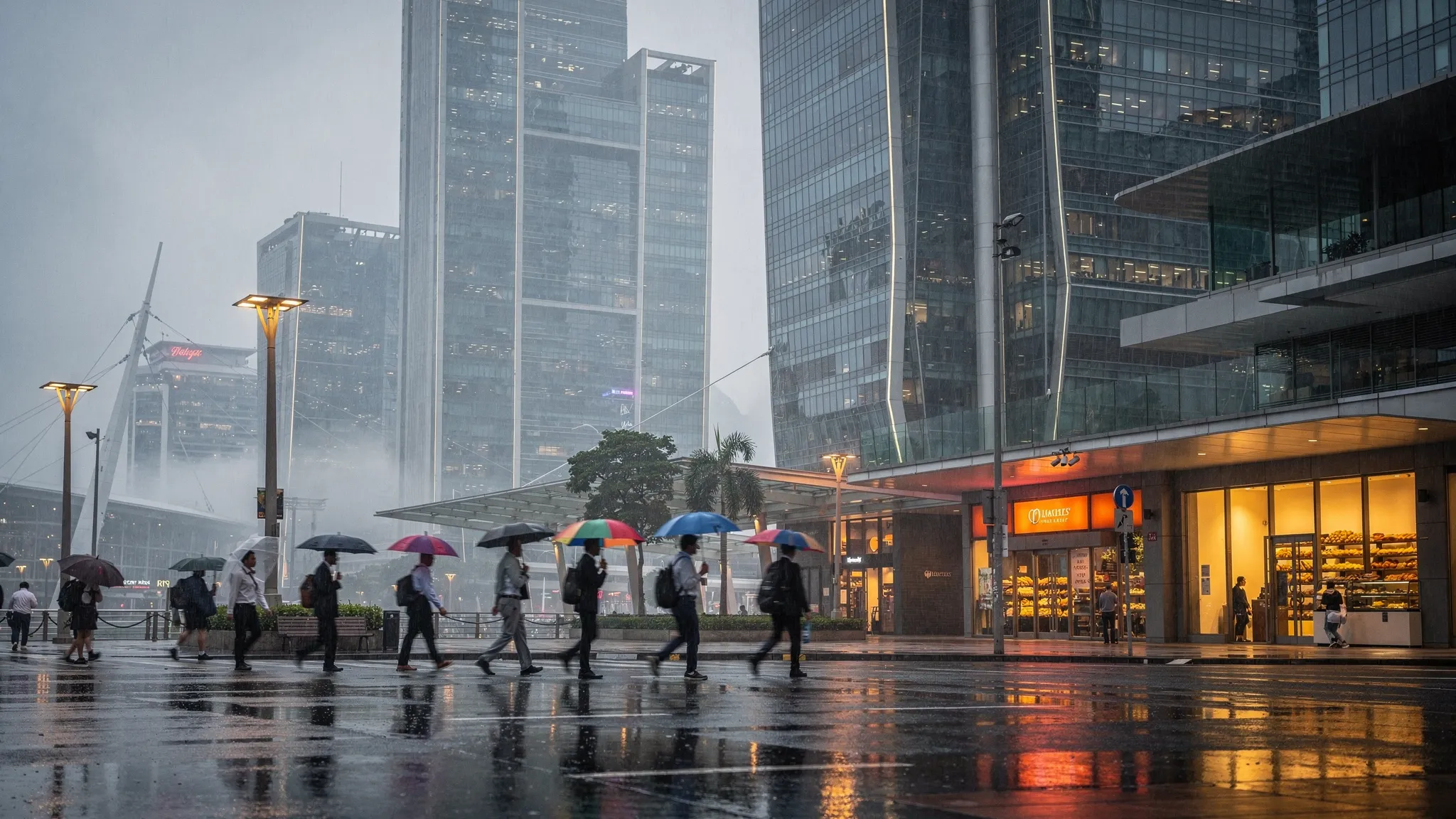
Singapore does not waste time. The city’s economic gravity pulls you toward Marina Bay and the Downtown Core, where glass towers reflect the water and meetings stack like dominoes. In the mornings, the rhythm is practical: crosswalk beeps, espresso machines, the soft click of dress shoes on polished floors.
For business travel, hotel choice is less about indulgence and more about operational reliability. You want a room that supports performance: strong connectivity, good sound insulation, and a location that shrinks commute time to almost nothing.
The signals I look for on a work trip:
When you want a classic base with that “the city means business” feeling, start by checking availability here:
A business hotel is also a sleep strategy. If your body clock is confused, a darker room, calmer hallway, and predictable temperature control are worth more than an extra 200 square feet.
And remember the hidden cost of being “almost close.” Saving a little on the nightly rate can quietly add up in ride fares, missed workouts, rushed meals, and that low-grade stress that makes a short trip feel endless.
Kyoto teaches you a different tempo. The city doesn’t announce itself with skyscrapers, it reveals itself in textures: cedar-lined entrances, the hush of temple grounds, bicycle bells in narrow lanes, and the scent of incense drifting out through partially open wooden doors.
For this trip type, the “right hotel” is the one that puts you in a place where wandering is effortless. You are not commuting to a single address, you are collecting small moments: a matcha stop, a river walk, a bookstore, a quiet dinner you find by accident.
Instead of asking, “Does the hotel have everything?” ask, “Does the area have everything?”
If you want to anchor a Kyoto trip with comfort while staying connected to the city’s flow, you can start your search here:
A cultural trip also rewards hotels that feel like a threshold, not a destination. The best stays give you a soft landing, then gently push you back outside. A lobby that smells faintly of wood and tea, staff who can point you toward a quiet lane instead of the busiest landmark, and a room that makes you want to open the window and listen.
One practical trick: if your day is built around early starts (shrines, markets, sunrise walks), choose a hotel that makes mornings frictionless, even if it means you skip the “spectacular view.” The view is out there, not behind glass.
In Iceland, the landscape changes your sense of scale. Lava fields stretch like cooled waves. Wind moves fast and decides the rules. The air smells mineral, clean, and slightly metallic, especially after rain.
For nature trips, hotels are not only about rest, they are about recovery and readiness. You might be wet, tired, sun-drunk from endless summer daylight, or fighting jet lag while chasing a weather window.
Here’s what matters most:
If you want a well-known base for exploring Iceland’s dramatic terrain, begin with:
A good nature hotel is built around the idea that your best day starts the night before. You want sleep that feels deep, showers that feel endless, and a calm place to check the forecast without feeling like you are negotiating with your own fatigue.
And because nature trips often involve early departures, it is worth paying attention to small details that rarely show up in glossy photos: breakfast hours, hallway noise, and whether check-out feels like a slow line at the worst possible moment.
| Trip type | What to prioritize | What to deprioritize | Common mistake |
|---|---|---|---|
| Business trip | Location near meetings, quiet room, reliable Wi‑Fi, flexible policies | Overly remote “deal” hotels | Losing hours to commuting and late-night noise |
| Cultural city break | Walkable neighborhood, transit access, local food nearby | Big resort-style amenities you won’t use | Staying far from the streets you actually want to wander |
| Nature and road travel | Parking, easy arrival, recovery-friendly comfort, meal options | Trendy location that adds driving time | Underestimating how weather and fatigue affect plans |
| Family logistics or relocation scouting | Space, laundry access, calm nights, predictable check-in | “Boutique” complexity (tight rooms, unclear policies) | Choosing style over function when schedules are packed |
Most travelers compare price first, then realize later that the fine print shaped the entire stay. When you are choosing travel hotels, these are the details that have the biggest real-world impact:
A good booking experience shows the final price clearly. It reduces that “Wait, why did the total change?” moment that drains trust and patience.
For short-notice bookings, instant confirmation is not a convenience, it is the difference between moving forward and reopening fifteen tabs.
Free cancellation and pay-later deals (when offered) can matter more than a slightly lower rate, especially when flights, meetings, or weather are unstable.
If you are booking on mobile in a rideshare, in a terminal, or between meetings, simplicity wins. The best platforms feel like they respect your time.
Sometimes you travel to decide where your life will fit.
Sydney can feel like two cities at once: bright harbor afternoons and serious weekday momentum. One moment you are watching ferries cut across the water, the next you are timing your commute, counting grocery stores, scanning playgrounds, and trying to understand which suburb matches your family’s rhythm.
For this kind of trip, choose a hotel like you would choose a temporary home base:
If you are relocating with children, the logistics go beyond hotels: rentals, school zones, inspections, and move-in timing. A specialist service can save you weeks of uncertainty, especially if you need to secure a rental and school arrangements before arriving. One helpful resource is relocation support in Australia, which focuses on suburb discovery, rental search, and school support for families moving from overseas.
The emotional side of this trip is easy to miss until you are in it. You are not only learning streets, you are learning a future routine. The right stay gives you enough calm to think clearly, and enough proximity to explore without turning each day into a marathon.
Treat the hotel as your planning headquarters. A stable base makes it easier to say yes to the right neighborhood and no to the wrong one.
What should I look for first when choosing travel hotels? Start with the purpose of your trip (work, exploration, nature, recovery), then choose location and policies that reduce friction for that purpose.
Are cheaper hotels worth it if I will be out all day? Sometimes, but only if the location and sleep quality support your schedule. A low nightly rate can cost more in transit time, poor rest, or last-minute changes.
How important is flexible cancellation? Very, especially for business travel, weather-dependent trips, or tight itineraries. Flexibility reduces risk when plans change.
Should I stay in the city center or in a quieter area? Stay where your trip “happens.” Business trips usually benefit from central or meeting-adjacent locations. Cultural trips often benefit from walkable neighborhoods that match your vibe.
How do I avoid hidden fees when booking hotels? Look for platforms that show the final price upfront and keep terms clear. Always review what is included before confirming.
If you want a booking experience built around clear pricing, fast reservations, and straightforward terms, InnRox makes it easy to match travel hotels to your trip type, especially for city stays, business trips, and short-notice plans.
Start your search here:
Tags