

InnRox
Travel Experts
May 4, 2026
18 min read
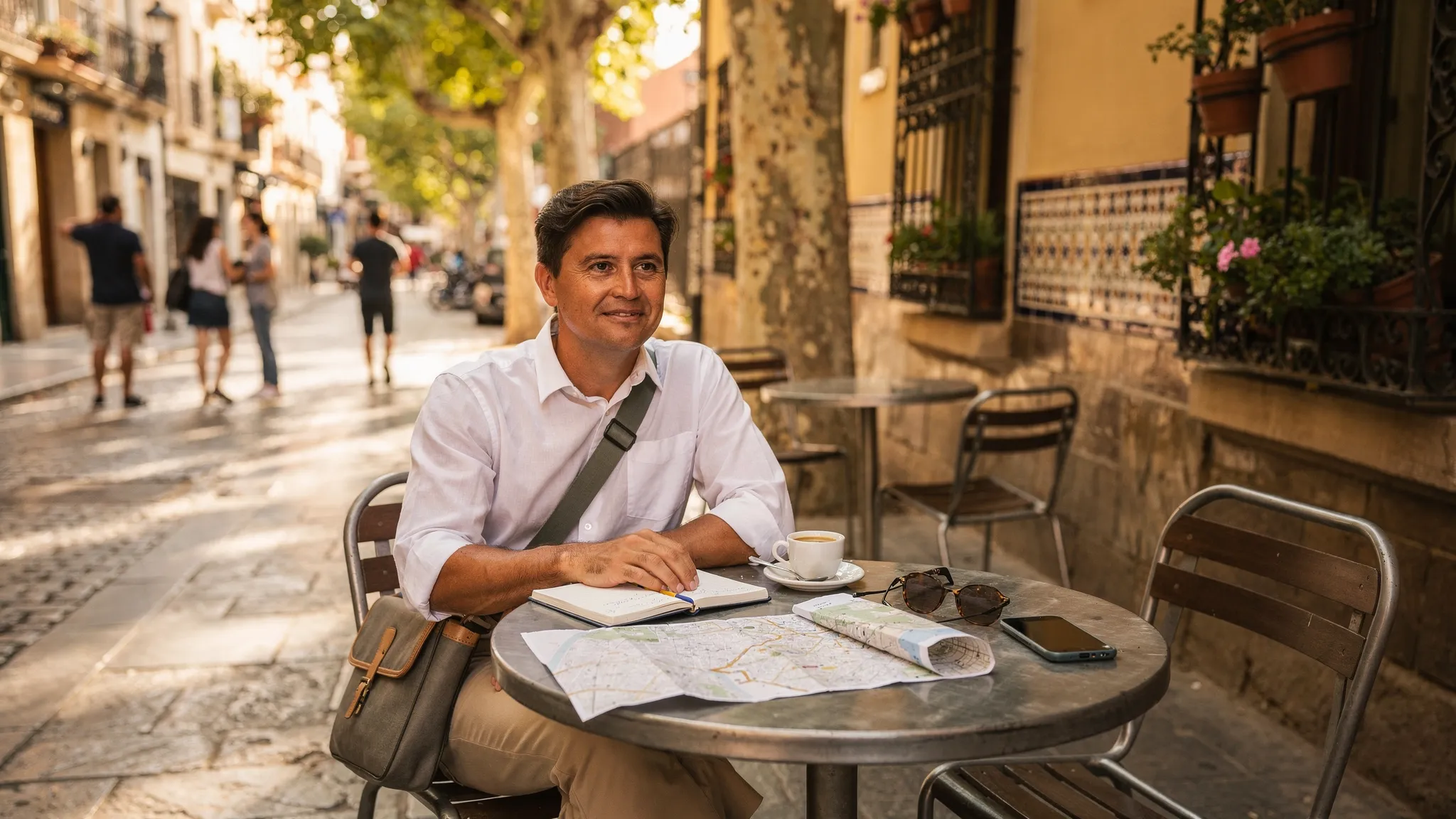
There is a moment on almost every first trip to Spain when the map starts to feel too generous. Madrid glows at the center. Barcelona pulls you toward the sea. Seville whispers from the south with orange blossom and guitar strings. Granada, Valencia, Bilbao, San Sebastián and Málaga all make persuasive arguments of their own.
The secret is not to see everything. The secret is to choose your bases well.
For a 7-day trip, the best Spain hotels are not simply the ones with the prettiest lobby or the lowest nightly rate. They are the hotels that let you step into the rhythm of a city without wasting half your holiday moving luggage. They put you close to the morning café, the late lunch, the evening paseo, the train platform, the neighborhood square and the little traditions that make Spain feel less like a checklist and more like a week you actually lived.
This guide takes a cultural lifestyle angle, built around how Spain’s cities feel from breakfast to midnight. It blends a practical 7-day route with alternate base cities, neighborhood notes and hotel ideas for travelers who want value, atmosphere and smooth reservations.
A week in Spain rewards restraint. The country’s high-speed rail network makes it tempting to hop constantly, but a 7-day itinerary feels better when you sleep in two or three cities, then use day trips to add variety. A good base is a place where your hotel supports the trip rather than interrupts it.
Think about the day as locals often do. Morning begins with coffee and toast, perhaps tomato rubbed into bread with olive oil. Midday stretches into a long lunch, especially on weekends. Late afternoon is for shopping streets, museum rooms or shade under plane trees. Evening brings the paseo, that slow social walk before dinner, followed by tapas, vermouth, seafood, rice dishes or a lingering sobremesa, the conversation after the meal when nobody is rushing to leave.
The right hotel location lets you join that rhythm on foot. It also gives you a buffer when plans change, which they often do in Spain because the best moments are sometimes unscheduled: a market stall, a guitarist in a side street, a neighborhood festival, a sunset that convinces you to cancel the next museum.
| Base city | Best for | Ideal nights in a 7-day trip | What to look for in a hotel location | Easy add-ons |
|---|---|---|---|---|
| Madrid | First-time Spain, museums, day trips, rail access | 2 to 3 | Retiro, Atocha, Sol, Las Letras, Chueca or Salamanca | Toledo, Segovia, El Escorial |
| Seville | Andalusian culture, tapas, patios, slow evenings | 2 | Santa Cruz, Arenal, Alameda, Triana | Córdoba, Jerez, Cádiz |
| Barcelona | Architecture, beaches, Mediterranean dining | 2 to 3 | Eixample, El Born, Gothic Quarter, Gràcia, Poblenou | Montserrat, Girona, Sitges |
| Valencia | Food, beaches, families, relaxed city breaks | 2 to 3 | Ciutat Vella, Ruzafa, Eixample, near Turia Gardens | Albufera, Xàtiva |
| Granada and Málaga | Moorish heritage, coastal contrast, southern value | 2 to 4 | Granada center or Málaga old town | Nerja, Ronda, Córdoba |
| Bilbao and San Sebastián | Northern gastronomy, design, cooler climate | 3 to 4 | Bilbao Abando or San Sebastián Centro and Gros | Rioja, Getaria, Hondarribia |
If you are visiting Spain for the first time and want a balanced week, the most reliable route is Madrid for three nights, Seville for two nights and Barcelona for two nights. If that feels too fast, choose Madrid plus one other city. The trip will feel deeper, not smaller.
Madrid does not always seduce at first glance. It does not have Barcelona’s sea or Seville’s postcard softness. Instead, it works on you hour by hour. You arrive at Atocha, hear the roll of suitcases on polished stone, step outside into dry Castilian light and realize the city’s beauty is in its confidence.
Mornings in Madrid are crisp and purposeful. Office workers stand at counters for coffee. Museum guards unlock doors. Delivery vans disappear down streets lined with wrought-iron balconies. If you stay near the Prado, Retiro or Las Letras, you can wake early and walk past bookshops, bakeries and plane trees before the city fully opens.
For travelers who want an elegant cultural base near the Prado Museum and Retiro Park, Mandarin Oriental Ritz Madrid is one of the city’s landmark names. The historic hotel reopened in 2021 after an extensive restoration, part of a wider Madrid trend that has turned heritage buildings into polished contemporary stays while preserving their architectural identity.
If your version of Madrid leans more energetic, with boutiques, cocktail bars and creative neighborhoods nearby, Only YOU Boutique Hotel Madrid places you in a more social city rhythm. The surrounding Chueca and Salesas areas are ideal for travelers who like to leave the hotel without a rigid plan and find dinner, design shops and late-night streets within minutes.
The first day should be light. Walk through Retiro Park while rowboats drift across the pond. Pause in the Las Letras district, where literary history sits beside modern wine bars and small galleries. Eat late, because Madrid does. At 9 p.m., the city is not winding down. It is just beginning to decide where the night should go.
On day two, give Madrid its grand stage. The Prado, Reina Sofía and Thyssen-Bornemisza form the city’s art triangle, but do not treat them like a marathon. Choose one museum deeply, then spend the afternoon in a market or café. Spain rewards people who understand pacing.
Day three is when Madrid proves why it is one of the best city bases in the country. Toledo is a short train ride away, with stone lanes, sword-making heritage and a skyline that looks carved out of ochre and faith. Segovia offers Roman engineering, roast suckling pig traditions and the Alcázar rising like a storybook fortress. You can leave after breakfast and be back in Madrid for dinner.
That is the value of choosing Spain hotels near useful transport or walkable neighborhoods. You are not just booking a bed. You are buying back time.
The train south changes the mood. The light grows warmer. Olive groves begin to flicker past the window. By the time you reach Seville, Spain feels less like a capital and more like a courtyard, a tiled wall, a glass of cold sherry, a horse’s hoof echoing near the cathedral.
Seville is not a city to rush. Its traditions are visible, but they are not museum pieces. In spring, orange blossom perfumes the streets. During Semana Santa, processions turn the city into a theater of devotion and silence. Around Feria de Abril, color, music and family rituals fill the fairground. Even outside festival weeks, Seville has a ceremonial quality. People dress well for ordinary evenings. Tapas bars spill light onto the pavement. The Guadalquivir moves slowly beside Triana, as if it has heard every story already.
For a stay with deep historical character, Hotel Alfonso XIII Seville is closely tied to the city’s early 20th-century transformation and the Ibero-American Exposition of 1929. Its Moorish Revival details, arches, tiles and courtyards make it more than a hotel name. It is part of Seville’s architectural memory.
Travelers who prefer the feeling of wandering through old houses and hidden patios may be drawn to Las Casas de la Juderia Seville. The appeal of this kind of stay is not only convenience. It is the sensation of entering the layered urban fabric of Santa Cruz, where narrow lanes protect shade and every turn seems to contain a balcony, fountain or tiled threshold.
Spend your first Seville afternoon at the cathedral and the Giralda, then let the evening belong to tapas. Do not over-plan the route. In Seville, a good night might begin with spinach and chickpeas, move to jamón and manzanilla, then end with churros, a riverside walk or a flamenco performance in a small venue where the room is close enough to hear breath between notes.
Day five should be slower. Visit the Real Alcázar early if you can, when the gardens still feel cool and birdsong hangs over the water channels. Later, cross into Triana. The neighborhood is often described through ceramics and flamenco, but its real charm is domestic: laundry on balconies, tiled storefronts, locals greeting each other in the market, bars where the counter feels like a shared table.
If Madrid teaches you how Spain moves, Seville teaches you how Spain lingers.
Barcelona makes a dramatic final base because it changes the air. After Madrid’s altitude and Seville’s heat, the Mediterranean feels like a window thrown open. The city smells of salt, stone, coffee, bakery sugar and warm pavement after sun. Scooters pass in quick bursts. Balconies climb above you. The grid of the Eixample spreads out with a logic that makes wandering feel almost effortless.
Barcelona’s traditions are not always quiet. They are visible in market mornings, vermouth hours, neighborhood festivals, beach walks, design studios, football conversations and long Sunday lunches. The city has also become a showcase for the modern hotel trend of adapting historic buildings into contemporary urban bases, especially around the Eixample and the old city.
For travelers who like design with a strong sense of place, Cotton House Hotel Barcelona is set in a former cotton guild building and reflects the city’s talent for turning commercial history into hospitality. It fits especially well for visitors who want to stay near central Barcelona while still feeling a distinct architectural story.
If you want classic central Barcelona with a prestigious Passeig de Gràcia setting, Majestic Hotel and Spa Barcelona places you close to luxury shopping, modernist landmarks and some of the city’s most famous façades. From this area, you can move easily between Gaudí’s Barcelona, the Gothic Quarter, El Born and the waterfront.
On day six, do the essential Barcelona walk, but do it in layers. Start with the Eixample, where façades ripple with iron balconies, floral stonework and stained glass. Continue toward Passeig de Gràcia, then give yourself time for La Sagrada Família or Casa Batlló if architecture is a priority. Late afternoon belongs to El Born or the Gothic Quarter, where stone lanes hold wine bars, old churches and shops selling things you did not know you wanted until you saw them.
Day seven should be your least ambitious day. Go to the sea. Walk from Barceloneta toward the beaches, or choose Poblenou if you like a more local, creative edge. Eat rice, grilled fish or simple tomato bread. Buy something small from a neighborhood bakery. Let the final night be a paseo rather than a performance.
That is the quiet luxury of a good 7-day Spain route. By the end, you have not collected cities. You have collected daily rituals.
The Madrid, Seville and Barcelona route is a strong first-timer’s arc, but it is not the only way to build a week. The best Spain hotels for you depend on what kind of traveler you become once you land.
Valencia is often the city people wish they had given more time. It has the beach, but it is not only a beach city. It has futuristic architecture, but its old town still feels lived-in. It has paella, but the deeper culinary story is about rice fields, market produce, oranges, seafood and Sunday meals that stretch across generations.
Base yourself in Ciutat Vella for history, Ruzafa for cafés and nightlife, or near the Turia Gardens if you want green space and easier family travel. The Turia, a former riverbed turned park, gives Valencia an unusually relaxed daily rhythm. People cycle, jog, walk dogs and drift toward the City of Arts and Sciences without the intensity of larger capitals.
For a stay that connects to Valencia’s historic layers, Caro Hotel Valencia is a useful name to explore. It is known for blending contemporary hospitality with architectural remains from different eras, which suits a city where Roman, Islamic, Gothic and modern influences sit close together.
Valencia works especially well if you want three nights in Barcelona and three nights in Valencia, or Madrid plus Valencia with a day trip to the Albufera lagoon. It is also a smart choice for travelers who want Mediterranean atmosphere without committing the entire trip to busier coastal scenes.
Granada is one of Spain’s great emotional cities. The Alhambra watches from above. The Albaicín climbs in white lanes and cypress shadows. Tea houses, guitar shops, convent sweets and mountain air all mix into a mood that feels older than the itinerary in your pocket.
A Granada base is best for travelers who want history, intimacy and dramatic views. Stay centrally if you plan to walk, because hills are part of the experience. Nights here are special: the Alhambra lit above the city, the sound of conversation in small squares, the Sierra Nevada darkening in the distance.
For a refined historic stay, Hospes Palacio de los Patos Granada is one to consider. It reflects a broader Spanish hotel pattern, where palaces, townhouses and civic buildings have been restored into atmospheric urban retreats.
Málaga, by contrast, brings sea air, museums, a lively old town and easy onward travel. It has grown into one of southern Spain’s most attractive urban beach bases, balancing cultural weekends with short-notice sun escapes. Pair Granada and Málaga for a slower Andalusian week, especially if Seville feels too hot or too crowded for your dates.
Northern Spain changes the palette. The light softens. Hills turn green. Pintxos replace tapas as the evening language, with small bites lined across bar counters like edible architecture. Bilbao and San Sebastián make a superb 7-day pairing for travelers who have already seen the classic triangle or who want gastronomy, design and coastal scenery.
Bilbao is practical, stylish and culturally confident. Its transformation over recent decades from industrial powerhouse to design-forward city is one of Spain’s great urban stories. San Sebastián is more graceful, arranged around La Concha Bay with Belle Époque façades, surf culture and some of the country’s most celebrated dining traditions.
For San Sebastián, Hotel Maria Cristina San Sebastian is the grand historic reference point, opened in the early 20th century and closely associated with the city’s elegant resort identity. In Bilbao, Hotel Carlton Bilbao offers a similarly classic city-center name, particularly useful for travelers who value access to business, shopping and cultural areas.
This northern route is ideal from late spring through early autumn, but it also has appeal in cooler months for food-focused travelers. Rain is part of the atmosphere, not a failure of the plan. Bring a light jacket, choose walkable hotels and let the bars lead the evening.
A beautiful hotel in the wrong neighborhood can make a 7-day trip feel heavier than it should. Spain’s cities are walkable in their central zones, but the character can change street by street. Before you book, choose the kind of daily life you want outside the front door.
In Madrid, Las Letras and Retiro suit museum lovers and first-time visitors who want beauty without chaos. Sol is central and convenient, though busier. Chueca, Salesas and Malasaña offer nightlife, shopping and independent cafés. Salamanca is polished and quieter, especially good for luxury travelers and business stays.
In Seville, Santa Cruz is atmospheric and close to the cathedral and Alcázar, but it can be crowded. Arenal is practical and central. Triana gives you a more neighborhood-based stay across the river. Alameda is better for relaxed nightlife and a younger local scene.
In Barcelona, Eixample is the all-rounder because it is spacious, connected and rich in architecture. El Born and the Gothic Quarter feel romantic and historic, though streets can be lively late. Gràcia is more local and village-like. Poblenou is good for travelers who want beach access and a modern, creative atmosphere.
| Traveler type | Best base style | Cities to prioritize | Hotel location tip |
|---|---|---|---|
| First-time visitor | Classic culture plus easy transport | Madrid, Seville, Barcelona | Stay central, but avoid changing hotels too often |
| Deal hunter | Flexible dates and strong transport links | Madrid, Valencia, Málaga | Compare weekday and weekend rates before choosing dates |
| Business traveler | Fast airport and rail access | Madrid, Barcelona, Bilbao, Valencia | Choose neighborhoods with direct taxi or metro routes |
| Food-focused traveler | Markets, tapas or pintxos nearby | Seville, Valencia, San Sebastián, Madrid | Stay within walking distance of dining streets |
| Slow traveler | Fewer bases, deeper neighborhoods | Valencia, Granada, Seville, San Sebastián | Pick a hotel near parks, plazas or old-town walks |
Spain can be excellent value, but timing matters. Spring and fall are popular because the weather is comfortable and cultural calendars are full. Summer brings high demand on the coast and intense heat in inland Andalusia. Winter can be a smart value season in Madrid, Valencia, Bilbao and parts of Andalusia, especially if you care more about museums and food than beach weather.
For a 7-day itinerary, book the first and last nights with extra care. Your arrival hotel should be easy after a flight or train. Your final hotel should simplify departure, especially if you have an early airport transfer. The middle nights can be more atmospheric, tucked into historic districts or near the neighborhoods you want to explore after dark.
When comparing Spain hotels on InnRox, look closely at the final price, cancellation terms and payment timing. InnRox is built for travelers who want clear hotel booking without unnecessary clutter, with upfront pricing, instant confirmation and flexible options such as free cancellation or pay-later rates where available.
It also helps to build your route before you fall in love with a room. A beautiful stay in Seville may not be worth it if your flight leaves Barcelona the next morning. A lower rate outside Madrid’s center may disappear once you add taxis and lost time. The best hotel deal is the one that protects both your budget and your energy.
How many cities should I base myself in for a 7-day Spain trip? Two cities is ideal for a relaxed trip, while three cities works well if you choose major rail-connected bases such as Madrid, Seville and Barcelona. More than three usually means too much packing and transit.
Is Madrid or Barcelona a better first base in Spain? Madrid is usually the best first base for day trips, rail access and classic museums. Barcelona is better if your priority is architecture, Mediterranean atmosphere and coastal dining. For a first 7-day trip, combining both can work well.
Are Spain hotels cheaper outside the main tourist areas? Often, yes, but location still matters. A cheaper hotel far from the neighborhoods you want to visit can cost more in transport and time. Look for value in well-connected districts rather than only searching far outside the center.
What is the best city in Spain for food lovers? It depends on your taste. Seville is excellent for tapas, Valencia for rice dishes and market produce, San Sebastián for pintxos and fine dining, and Madrid for regional variety from across Spain.
Should I book hotels near the train station? Not always. In Madrid, staying near Atocha can be useful for day trips, but many travelers prefer Retiro, Las Letras or Chueca. In Barcelona and Seville, central neighborhoods may offer a better overall experience than staying directly beside the station.
What is the best 7-day Spain itinerary for first-time visitors? A balanced first trip is three nights in Madrid, two nights in Seville and two nights in Barcelona. If you prefer slower travel, choose Madrid plus Seville or Madrid plus Barcelona and use day trips for variety.
A week in Spain is short enough to require decisions, but long enough to feel transformative when the bases are right. Choose hotels that place you near the rituals you came for: coffee at the counter, art in the morning, tapas at dusk, a slow walk under balconies, one last glass before the plaza lights go quiet.
When you are ready to compare Spain hotels, start with InnRox hotel search for Spain. You can search stays across major cities and destinations, review the final price upfront and book with instant confirmation, with flexible options available on selected rates.