


InnRox
Travel Experts
April 10, 2026
10 min read
The first time I realized free hotel stays could be real (and not a shady pop-up ad) was in a glassy arrivals corridor where the airport smelled like espresso and jet fuel. My phone buzzed with a last-minute calendar invite, the kind that turns a neat workweek into a three-city sprint. I wasn’t thinking about travel hacks. I was thinking about getting a room, getting sleep, and showing up sharp.
Then, on the taxi ride into the city, I did the math the way business travelers do: not in miles, but in nights. One work trip can be noise. Three in a month becomes a system. And systems, if you build them cleanly, can pay you back in weekends.
This is not a story about loopholes or too-good-to-be-true vouchers. It’s about the legitimate, repeatable ways travelers earn nights without getting burned, and why business travel, especially in the world’s deal-making districts, remains the quiet engine behind many “free” stays.
Chicago on a weekday morning has a particular soundtrack: the L rattling overhead, revolving doors sighing, a low roar of traffic pressed between towers. In the Loop, hotels aren’t only places to sleep. They’re infrastructure for negotiations, conferences, site visits, court dates, audits, investor roadshows.
I checked in with that familiar mix of relief and urgency. Relief because the room was finally mine, urgency because the city outside was running on schedules and stakes. The lobby lighting was all brushed metal and warm stone, designed to make you feel efficient. Even the scent was curated, clean, citrus-leaning, as if productivity had a fragrance.
If you want to anchor your Chicago stay near the Loop’s transit spine and the river’s business corridors, start by comparing options like this search for Club Quarters Hotel Central Loop, Chicago: https://innrox.com/hotel-search?direction=Club+Quarters+Hotel+Central+Loop+Chicago
Two blocks in any direction changes the trip. West and you’re closer to the courthouse energy, brisk and procedural. East and the riverwalk softens the edges, even in a suit. This is where the “economics” of hotels becomes visible: location isn’t aesthetic, it’s time, and time is billable.
Most people who search for free nights imagine one dramatic moment: a single trick that unlocks a penthouse. The reality is less cinematic and more dependable.
If you travel for work, you’re already doing the hard part: generating paid nights. The clean strategy is to make sure you’re allowed to earn rewards on those nights.
Here’s what that looks like in practice:
None of this is a “hack.” It’s simply not leaving value on the table.
By late afternoon, Chicago’s business core starts to breathe differently. Meetings end. Laptops close. The bar crowd arrives in waves, not to party, but to debrief. This is when you can feel the true shape of business travel: it’s not glamorous, but it is consistent, and consistency is what turns into free stays.
When people get scammed chasing free hotel stays, it’s usually because they’re chasing a shortcut instead of building a ledger. A ledger has inputs (earning) and rules (redemption). The rules are boring, which is exactly why they work.
Here’s a grounded way to think about the legitimate paths.
| Legit method | How it earns you nights | Why it’s legitimate | Main watch-out |
|---|---|---|---|
| Hotel loyalty programs | Points per stay, plus bonuses via promos | Transparent terms and published award charts or dynamic pricing | Points can expire, blackout-style limitations can exist depending on program |
| Credit card welcome offers | Large bonus after meeting spend requirements | Regulated financial products with clear disclosures | Don’t overspend, watch annual fees and interest |
| Credit card category rewards | Extra points on travel, dining, or business expenses | Ongoing accrual tied to normal purchases | Earning rates vary, benefits can change |
| Partner earning (dining, shopping portals, airlines) | Points for purchases through official partner channels | Program-run partnerships with trackable transactions | Tracking failures if cookies/app settings block it |
| Work travel reimbursement | You pay, company reimburses, you keep rewards (if allowed) | Standard practice in many firms | Must follow policy strictly to avoid compliance issues |
In other words, the “free” part comes later. The stay is paid now. The reward is delayed. That delay is a feature, not a flaw, because it’s what makes it verifiable.
A week later, Singapore hit like a reset button. The air felt denser, warmer, scented with rain on pavement and something gently floral drifting from a lobby arrangement. The city moves with a kind of engineered calm. Even when you’re late, the place doesn’t seem to panic with you.
In the Central Business District, hotels are less about showing off and more about removing friction. That’s a service philosophy business travelers notice immediately: not just “nice,” but fast. Check-in that anticipates your jet lag. Elevators that arrive before you wonder where they are. A room that doesn’t make you hunt for outlets.
To compare properties around the CBD and Marina Bay for a work trip or a bleisure extension, you can start with this search for Carlton Hotel Singapore: https://innrox.com/hotel-search?direction=Carlton+Hotel+Singapore
Walk outside at night and the city feels like a boardroom with better lighting. The hawker centers hum, the MRT pulls people like clockwork, and the rhythm of commerce is everywhere, from suits in Raffles Place to founders pitching over kopi.
“Stacking” is where a lot of internet advice goes off the rails. The legitimate version is simple: combine benefits that are meant to be combined.
A clean stack might look like this:
The key is that every layer is official and trackable. If any part relies on “DM me for the link” energy, you’re not stacking, you’re stepping into fog.
And remember the emotional truth of chasing free nights: when you’re tired, you’re vulnerable. Jet lag makes impulsive decisions feel reasonable. That’s when scams win.
The scammers don’t sell “a scam.” They sell relief. Relief from high prices, from sold-out weekends, from the feeling that everyone else knows something you don’t.
If you want a reality check, read the FTC’s guidance on spotting travel scams and protecting yourself from fraudulent offers: FTC, Avoid Travel Scams.
And because “free hotel stays” scams often involve handing over card details or buying into confusing memberships, it’s also worth skimming how the U.S. Consumer Financial Protection Bureau frames credit card costs and interest dynamics: CFPB, Credit card basics.
The pattern is remarkably consistent. The offer is vague, the urgency is loud, and the “free” part keeps getting pushed one fee into the future.
Two mornings after Singapore, I woke up early without an alarm, the way you do when your body is still negotiating time zones. The room was quiet enough to hear the building settle. I made coffee that tasted slightly different than home, brighter, more acidic, and sat by the window to do the boring work that protects the fun later.
Here’s the checklist I use now before I believe any “free night” promise:
This isn’t cynicism. It’s how you keep your future weekends from being financed by regret.
Frankfurt is honest about its purpose. The skyline doesn’t try to charm you first, it tries to function. The city smells like bakery steam in the morning and cold platform air near the Hauptbahnhof, and by the time you reach the Messe, you can feel the world’s trade calendar pulsing through hallways.
Hotels here serve a specific kind of traveler: the one who needs sleep that performs. Blackout curtains that actually work. A shower that’s hot immediately. Breakfast that’s not a vibe, it’s fuel.
If you’re traveling for fairs, finance, or quick-turn meetings, compare options like this search for NH Collection Frankfurt City: https://innrox.com/hotel-search?direction=NH+Collection+Frankfurt+City
In the evenings, the city loosens slightly. The river paths near the Main soften the day’s edges. Apfelwein bars fill with conversations that sound like deals being rehashed, not because anyone is trying to impress, but because it’s what people in trade hubs do when they finally exhale.
The cleanest way to earn free nights without scams is also the least flashy: you travel anyway, you follow the rules, and you redeem for something you actually want.
A few ethical, practical moves that make a big difference:
This is how business travel becomes a small form of financial gravity. It pulls future value toward you, slowly and reliably.
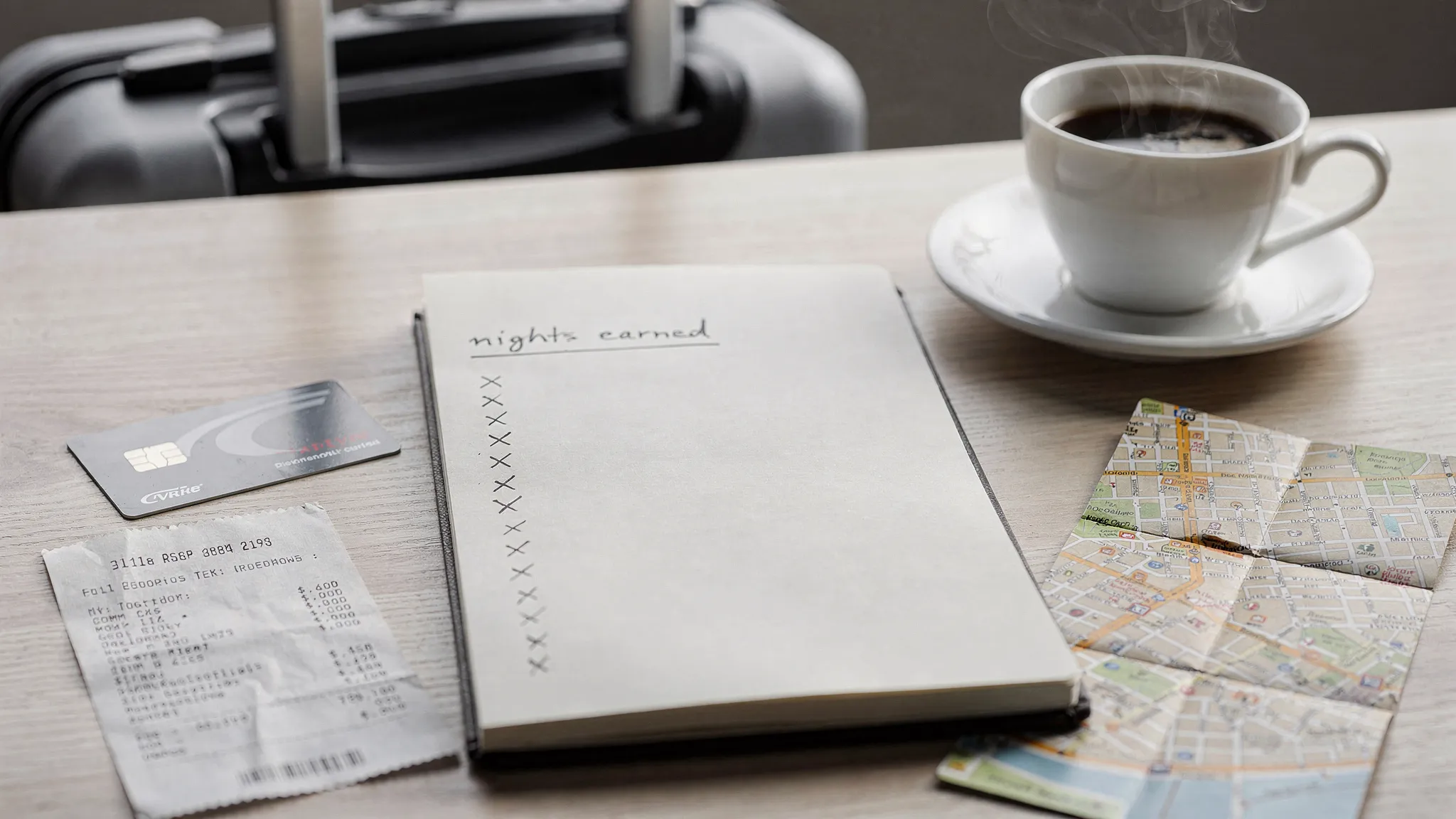
On the last night of that travel run, I laid the receipts on the desk like a timeline. Taxi. Coffee. Laundry. A room that cost more than it should have because I booked late. A room that cost less than expected because I booked smart. Somewhere in the middle was the reward balance quietly inching upward.
The internet makes free hotel stays sound like a sudden win. In real travel life, they feel more like a well-earned exhale: a Friday check-in that doesn’t sting, a Sunday checkout that doesn’t come with buyer’s remorse.
If you want to chase that feeling without stepping into scams, build your ledger the same way the world’s business districts build theirs: with transparent terms, repeatable habits, and decisions you can explain in daylight.