
Copyright © 2026 Innrox, Inc., an Innrox Group company. All rights reserved.

InnRox
Travel Experts
June 15, 2026
24 min read
The first time Miami tricks you, it usually happens before you unpack. The rate looked reasonable at home, maybe even suspiciously good. Then the airport ride stretches across causeways, the hotel desk mentions a daily fee, valet parking costs more than lunch, and the “partial ocean view” turns out to be a narrow blue slice between two towers.
That is the quiet art of overpaying in Miami. It rarely comes from choosing a bad hotel. It comes from choosing the wrong neighborhood for the trip you are actually taking.
Booking Miami Florida well means reading the city like a price map. The beach charges for atmosphere. Brickell charges for convenience. Coconut Grove charges for calm. Coral Gables charges for polish. Airport hotels save money only when your itinerary cooperates. And the difference between a smart booking and an expensive regret is often not the star rating, but the combination of parking, transportation, fees, food, timing, and walkability.
This guide is not about finding the cheapest room in Miami at any cost. It is about choosing the area where your money does the most work.
On a map, Miami can look compact. In real life, the experience changes sharply block by block and bridge by bridge. A hotel in South Beach can feel like vacation the second you step outside, with palms rattling in the ocean wind and music leaking from restaurant patios. A hotel in Brickell can feel efficient and vertical, all glass towers, rooftop drinks, and quick rides to meetings. A stay in Coconut Grove moves slower, with banyan shade, marina air, and quieter evenings.
Those atmospheres have pricing consequences. A beach hotel may let you skip daily rides to the sand, but it may add resort-style fees, expensive parking, and higher food costs nearby. A Downtown or Brickell hotel may have a lower rate on certain leisure dates, but if you plan to spend every day on Miami Beach, transportation becomes a daily line item. A cheaper airport-area room may be perfect for one night before a flight, but frustrating for a romantic weekend or first-time Miami visit.
The right question is not “Where is the best area to stay in Miami?” It is “Which area reduces the number of things I have to pay for after booking?”
South Beach is where many travelers imagine Miami begins: pastel facades, oceanfront mornings, Collins Avenue energy, Lincoln Road shopping, late dinners, loud sidewalks, and the soft glow of hotel lobbies designed to make every arrival feel cinematic. It is also where many travelers overpay because they confuse location with value.
The best reason to stay in South Beach is not simply beach access. It is walkability. If your trip is built around beach time, restaurants, nightlife, people-watching, and not renting a car, South Beach can be efficient despite higher nightly rates. You can save on rides, avoid daily parking, and turn the neighborhood itself into the itinerary.
The overpayment trap is choosing the cheapest South Beach listing without checking the exact block, fee structure, room size, and noise exposure. A lower rate near nightlife may cost you sleep. A slightly cheaper hotel several blocks from the beach may still charge a destination fee while offering less of the convenience you came for. A “city view” upgrade can be underwhelming if it means looking at another building rather than gaining meaningful space, quiet, or balcony access.
South of Fifth is calmer and more polished, often better for couples and travelers who want the beach without the constant pulse. The Ocean Drive and Collins core is better for first-timers who want to step directly into the scene. The northern edge of South Beach can feel more relaxed, though you should check walking distance to the restaurants and beach areas you care about.
If you want a South Beach stay with a classic boutique feel, compare options such as The Betsy South Beach against larger beach-area hotels before deciding. The key is not only the nightly rate, but whether the property’s location lets you skip car rental, rideshare surges, and paid beach logistics.
For travelers who want a larger, full-service Miami Beach experience close to the sand, Loews Miami Beach Hotel is the kind of property to compare when deciding whether beach convenience is worth paying for upfront.
Mid-Beach feels different as soon as the sidewalks widen and the mood shifts from party energy to resort rhythm. The hotels tend to be larger, the pools more central to the experience, and the days more self-contained. You wake, swim, drift to the beach, eat nearby, and let the hotel shape the vacation.
This is where premium pricing can make sense, but only for the right traveler. If you plan to spend long afternoons at the pool, use beach service, enjoy on-property dining, and move slowly, a Mid-Beach resort-style stay can deliver real value. You are paying for ease. You are paying not to plan every hour.
If, however, your itinerary is full of Wynwood murals, Brickell dinners, Little Havana afternoons, Design District shopping, and late nights in South Beach, Mid-Beach can become a beautiful base with repetitive transportation costs. The rate may look similar to a city hotel, but rides across the bay add up. If you rent a car, parking can quickly turn a moderate booking into a premium one.
The most common Mid-Beach mistake is paying resort prices while using the hotel like a place to sleep. Before booking, ask yourself how many hours per day you will actually spend on property. If the answer is “not many,” consider South Beach for walkability or Brickell for city access instead.
North Beach and the areas beyond it are often misunderstood by travelers trying to save. They see distance from South Beach and assume lower prices. Sometimes that is true, especially for simpler properties or off-peak dates. But quiet oceanfront locations can also be expensive because they appeal to travelers who want calm, privacy, and a more residential beach atmosphere.
North Beach is better for travelers who want a slower beach trip and do not mind fewer walkable dining options. Surfside can be excellent for families and couples who value a village-like feel near the ocean. Bal Harbour leans upscale, with luxury shopping and polished surroundings, but it is rarely the place to book if your main goal is bargain hunting.
The hidden cost here is movement. If you plan to explore South Beach often, go out in Brickell, or make multiple city excursions, the quieter beach location can become less efficient. It is not only the ride cost. It is the friction. Every outing becomes a decision.
For longer stays where relaxation matters more than nightlife, this zone can be a smart alternative to South Beach. For short first-time trips, it can feel too far from the Miami many travelers came to experience.
Brickell is Miami’s vertical neighborhood: towers, elevated transit, polished restaurants, business meetings, coffee runs, and evening energy that feels more cosmopolitan than beachy. It is one of the best areas for business travelers, short city breaks, couples who prefer rooftop bars to sand in their shoes, and anyone planning to split time between Downtown, Coconut Grove, Coral Gables, Little Havana, and the airport.
The value of Brickell is strategic. You are not paying for beach access. You are paying to be central to the modern city. If your plans include meetings, restaurants, museums, shopping, bayfront walks, or a pre-cruise night, Brickell can reduce wasted time.
But Brickell can also be overpriced when travelers book it expecting a beach vacation. The beach is a ride away. Parking is often expensive. Breakfast at full-service hotels can be costly if it is not included. And weekday business demand can push rates up sharply, while some weekends can become better value depending on events.
A city hotel here often beats a beach resort for travelers who want nightlife without staying in the middle of South Beach. It also works well for travelers without a car, provided their itinerary is city-focused. If you are renting a car, compare parking carefully before choosing a slightly cheaper room.
Travelers considering a sleek city base should compare properties such as citizenM Miami Brickell when they want a modern, efficient stay close to Brickell’s restaurants and transit connections.
For a more upscale bay-and-city positioning, Mandarin Oriental Miami is a useful comparison point for travelers deciding whether classic waterfront luxury is worth the premium over a simpler business-friendly hotel.
Downtown Miami is not South Beach, and that is both its strength and its problem. The area is practical for cruises, concerts, events, museums, the arena, business appointments, and short stays where logistics matter more than beach romance. It can also offer better value than the most famous coastal zones, especially when beach hotels surge.
The atmosphere is patchier than Brickell. Some blocks feel energetic and convenient. Others feel quieter after office hours. This is why exact location matters more here than the neighborhood name. A hotel near the waterfront, transit, or your event venue can be a smart choice. A hotel that saves a little money but adds daily rides may not be.
Downtown works particularly well for one or two nights, pre-cruise stays, conference travel, and travelers who want access to both the bay and city attractions. It is less ideal if you want to walk out every morning directly onto sand.
The hidden cost is expectation. Travelers who book Downtown because it is “near Miami Beach” may spend more time and money crossing the water than expected. Travelers who book it for events and transit can do very well.
If you want a Downtown base, compare options like The Elser Hotel Miami with Brickell and South Beach choices. The better deal depends on whether your evenings are mostly city-based or beach-based.
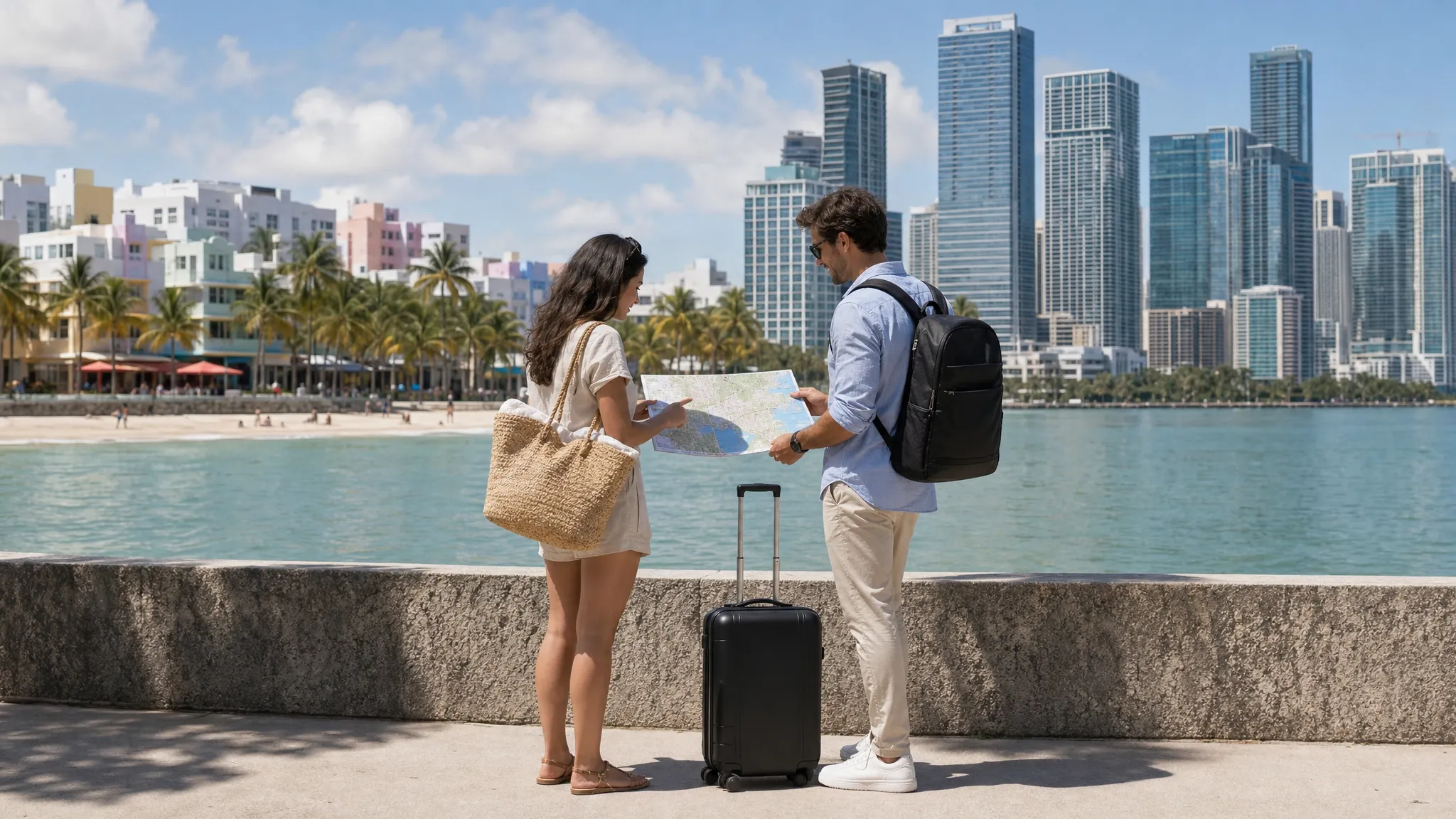
Wynwood gives Miami a different texture: warehouses, murals, galleries, breweries, creative restaurants, and nights that feel less polished than Brickell but more local than the beach. Nearby, the Design District is sleek, architectural, fashion-forward, and expensive in a different way.
For travelers chasing restaurants, nightlife, art, and a less beach-centric Miami, this part of the city can be exciting. But as a hotel base, it requires more thought. Hotel inventory can be more limited than in Miami Beach or Brickell, and the best value may depend heavily on whether you plan to use rideshares or have a car.
The comparison is simple: stay in Brickell if you want easier logistics and a broader hotel choice, then visit Wynwood. Stay near Wynwood only if your nights and meals are concentrated there and you are comfortable trading classic hotel convenience for neighborhood personality.
This is also an area where marketing language can blur reality. “Near Wynwood” can mean close enough for a short ride, not necessarily a pleasant walk. At night, a few extra blocks can change how convenient the location feels. Check the exact address, not just the neighborhood label.
Coconut Grove is one of Miami’s most underrated hotel decisions because it refuses to behave like the obvious choices. It is not the beach. It is not the business core. It is not the late-night South Beach fantasy. It is greener, older-feeling, and more relaxed, with marina light, banyan trees, sidewalk cafes, and a rhythm that suits travelers who do not want to spend the entire trip chasing the loudest version of Miami.
For couples, families, longer stays, and travelers with a car, Coconut Grove can be excellent. It offers access to Coral Gables, Key Biscayne, Brickell, and the airport without the constant intensity of beach districts. It can also feel more authentic for travelers who want neighborhood evenings rather than resort corridors.
The tradeoff is beach access. If you want daily ocean swimming on Miami Beach, this is not the most efficient base. If you want bayfront walks, calmer meals, and a softer landing after busy days, it can be money well spent.
The hidden cost is transportation planning. Coconut Grove is not isolated, but it is not universally walkable to every Miami experience. It works best when you deliberately choose a Grove-centered itinerary rather than treating it as a cheaper South Beach substitute.
For a refined Grove stay, compare Mr. C Miami Coconut Grove with Brickell and Miami Beach options. The question is whether you value atmosphere and calm more than immediate beach access.
Coral Gables is stately in a way Miami Beach is not. It has Mediterranean-style architecture, leafy avenues, business hotels, restaurants around Miracle Mile, and a more composed feel. For business travelers, university visits, medical appointments, longer stays, and travelers who prefer quiet evenings, it can be a very smart base.
But Coral Gables rewards travelers who understand its geography. It is not the place to stay if your dream is waking up by the ocean or walking to South Beach nightlife. It is a better fit for people who have a reason to be south or west of Downtown, or who want a less tourist-heavy environment.
Where travelers overpay is by choosing Coral Gables for a general Miami vacation without calculating rides. The room may look better value than a beach hotel, but transportation can narrow the gap. If you rent a car, parking terms matter. If you rely on rides, late-night returns from Miami Beach can feel expensive and inconvenient.
Still, Coral Gables can deliver real value for travelers who want comfort, calm, and access to a different Miami. It is especially sensible when beach time is one activity among many, not the whole purpose of the trip.
Travelers looking at classic Coral Gables lodging can compare The Biltmore Hotel Miami Coral Gables with simpler business hotels nearby to decide whether heritage atmosphere and resort-like grounds justify the premium for their trip.
Airport-area hotels in Miami are not glamorous, but sometimes they are exactly right. Early flight, late arrival, one-night layover, rental car pickup, business in Doral, or a budget-focused road trip? An airport or Doral hotel can save money and stress.
The problem is when travelers book an airport-area hotel for a beach vacation because the nightly rate is lower. Suddenly, every beach day requires transportation. Every dinner in Brickell or South Beach becomes a commute. The cheaper room becomes a daily negotiation with traffic and ride costs.
Airport hotels are best for transitional nights. Doral can work for business, golf, shopping, or travelers who are driving around South Florida. Neither is the best fit for a romantic weekend centered on Miami’s most atmospheric neighborhoods.
If you do book near the airport, confirm shuttle details rather than assuming they are free, frequent, or available at your arrival time. Also check parking, breakfast, and cancellation terms. A low rate with inconvenient shuttle hours may not be better than a slightly higher hotel with smoother logistics.
The easiest way to avoid overpaying is to match the neighborhood to the expenses it helps you avoid. Miami rewards travelers who choose the area that reduces friction, not the area that looks most famous.
| Neighborhood | Best for | Where money is well spent | Common overpayment trap |
|---|---|---|---|
| South Beach | First-timers, nightlife, beach walkers, car-free trips | Walkability, beach proximity, atmosphere | Paying fees for a noisy or poorly located room |
| Mid-Beach | Resort-style relaxation, couples, pool-focused trips | Full-service amenities if you use them | Paying resort prices while exploring off-property all day |
| North Beach and Surfside | Quieter beach stays, families, longer relaxed trips | Calm, less nightlife, residential feel | Assuming farther north always means cheaper |
| Brickell | Business, dining, short urban stays, pre-cruise trips | Central city access, restaurants, transit | Booking it for a beach vacation and paying for rides |
| Downtown | Events, cruises, short stays, museums | Proximity to venues and port logistics | Choosing a weak block just to save slightly |
| Wynwood and Design District | Art, dining, nightlife, repeat visitors | Neighborhood personality and evening plans | Believing “near” means walkable |
| Coconut Grove | Couples, families, slower stays, bayfront atmosphere | Calm, charm, access to southern Miami | Treating it as a cheap beach substitute |
| Coral Gables | Business, university visits, quiet comfort | Classic setting, restaurants, relaxed evenings | Ignoring car or rideshare needs |
| Airport and Doral | Layovers, early flights, driving itineraries | Logistics, lower rates, parking convenience | Using it as a base for daily beach trips |
Neighborhood is only half the decision. Hotel category changes the true cost just as much.
Luxury beach hotels make the most sense when the hotel is the trip: beach chairs, pool time, service, spa access where included, and slow mornings. If you plan to spend most of your day away from the property, you may be buying amenities you barely use.
Boutique hotels are often best for travelers who care about atmosphere and location more than a long list of facilities. In South Beach, a good boutique hotel can beat a larger property if it puts you in the right walking zone and avoids unnecessary extras. But room size, elevator access, noise, and breakfast details matter more than the photography.
Business hotels in Brickell, Downtown, Coral Gables, and Doral can be excellent value when you need efficiency. They often suit short stays, work trips, pre-cruise nights, and travelers who prefer predictable comfort. Their weakness is emotional: they may not feel like the Miami vacation you imagined unless the location matches your plans.
Apartment-style or extended-stay options can help families and longer-stay travelers save on breakfast, snacks, and laundry, but only if the final price remains competitive after fees. In Miami, any lodging that appears cheaper should be checked carefully for cleaning charges, service charges, and cancellation rules.
Miami is not uniquely difficult, but it is unusually good at separating the nightly rate from the real trip cost. The most expensive surprises tend to appear when travelers choose the wrong base or ignore hotel terms.
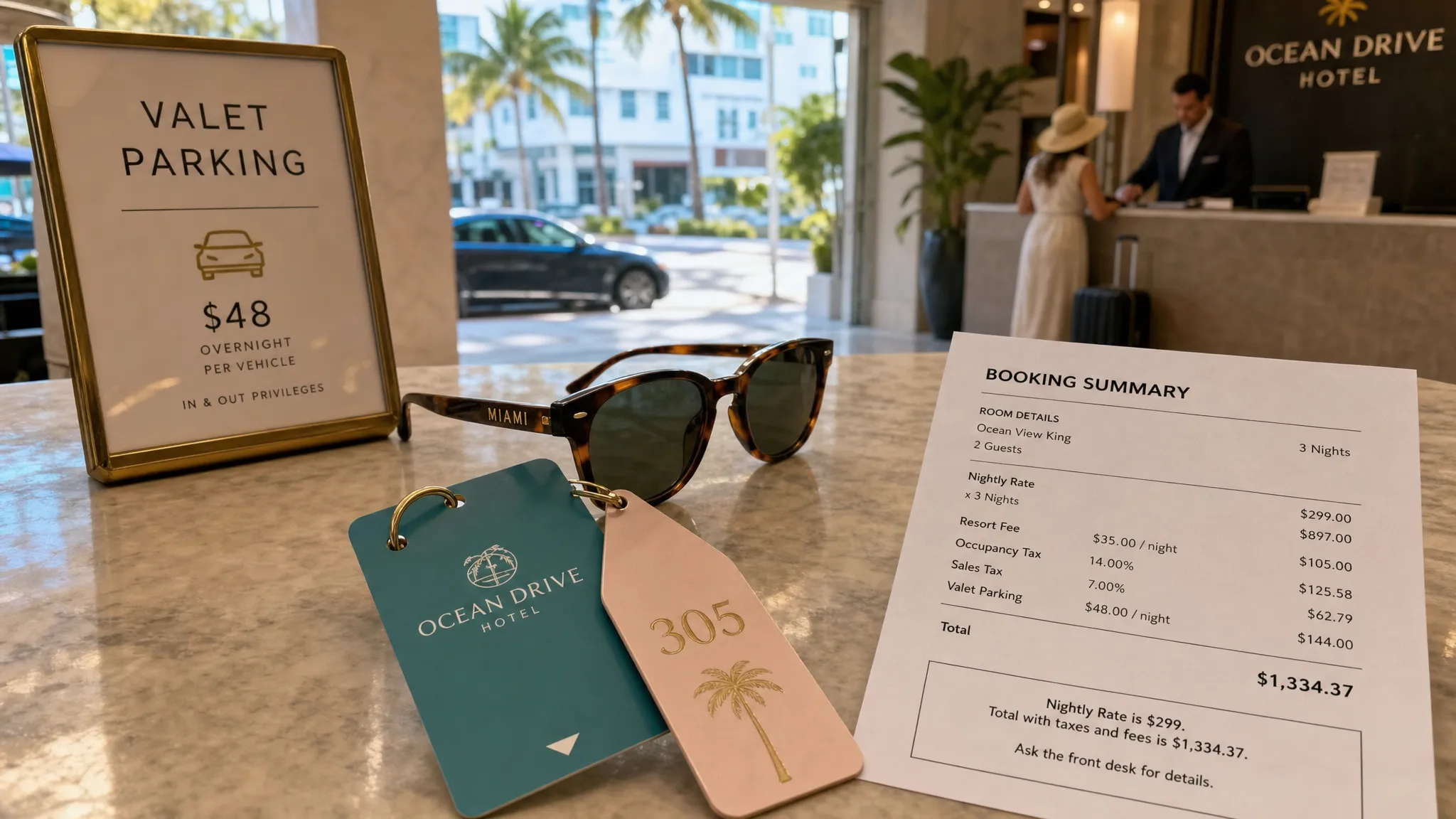
Parking is one of the biggest. In beach and dense city zones, valet parking can be a major nightly expense. If you do not need a car every day, skipping the rental can be smarter than chasing a hotel with a lower room rate.
Resort fees and destination fees are another common issue. These may cover amenities you value, or they may simply raise the final cost of a room that looked affordable. Always compare the final total, not the first displayed number.
Breakfast is easy to underestimate. A couple paying hotel breakfast prices for three mornings may spend enough to erase the savings from a cheaper room. If breakfast is not included, check nearby options before deciding.
Beach costs matter too. Some hotels include certain beach amenities, some do not, and some services may still cost extra. If your trip revolves around the beach, this is not a small detail.
Transportation can be the silent budget killer. A hotel away from your main activities can create repeated rides, surge pricing, and lost time. In Miami, a cheaper room across the wrong bridge can become more expensive than a better-located hotel.
Finally, watch for early check-in, late checkout, package handling, minibar restocking, pet fees, and premium view upgrades. The view upgrade deserves special skepticism. Unless the room category clearly adds space, balcony access, or a genuinely better outlook, the money may be better spent on location or flexibility.
Miami pricing is seasonal, but not always in the simple way travelers expect. Winter and early spring often bring the strongest demand, especially when cold-weather travelers chase sun. Holidays, major art and design weeks, boat events, music festivals, spring break periods, and cruise peaks can push rates up quickly.
Summer can bring lower hotel prices, but it also brings heat, humidity, rain risk, and storm-season considerations. A cheaper luxury stay in August may be excellent for pool-focused travelers who are flexible. It may be less appealing if you planned long outdoor walks every day.
Shoulder periods can offer the best balance, but events still matter. A random weekday can be expensive if a conference fills Brickell and Downtown. A beach hotel can spike for a weekend while a Coral Gables or airport-area option stays reasonable. The lesson is to compare by date and area rather than assuming one neighborhood is always cheaper.
For 2026 travel planning, flexible cancellation can be especially valuable when visiting during storm season or event-heavy periods. A nonrefundable rate may look attractive, but the savings should be large enough to justify the risk.
Not all upgrades are traps. Some can genuinely improve the trip.
Paying more for a better location is often the smartest upgrade in Miami. A South Beach hotel that lets you walk everywhere may beat a cheaper option that requires daily rides. A Brickell hotel close to your meetings may be worth more than a nicer room farther away. A Coconut Grove property that matches your slower pace may deliver more satisfaction than a famous beach address you barely use.
Room upgrades are worth considering when they change comfort, not just language. More space can matter for families. A balcony can matter for couples who plan to linger. A quieter room can be worth more than a partial view. Club or lounge access may make sense for business travelers or families if it replaces multiple meals and drinks, but only if you will actually use it.
The least reliable upgrades are vague views, slightly higher floors, and packages that bundle amenities you would not otherwise buy. In Miami, a better neighborhood fit usually beats a prettier adjective.
For a romantic weekend, choose South Beach if you want energy, restaurants, and beach walks without a car. Choose Mid-Beach if the hotel itself is central to the romance. Choose Coconut Grove if you prefer quiet dinners, bay air, and a softer atmosphere.
For a business trip, Brickell is usually the most efficient if meetings are in the urban core. Downtown works for events and government or port-related logistics. Coral Gables and Doral make sense when your appointments are nearby, not because they are universally cheaper.
For a family trip, consider whether you need beach simplicity or space and calm. Mid-Beach and Surfside can work well for beach-focused families. Coconut Grove can be better for families mixing museums, gardens, restaurants, and day trips. Apartment-style rooms may help, but only after checking total fees.
For a luxury stay, decide what kind of luxury you want. Classic beach luxury is about sun, service, pools, and ocean proximity. Modern city luxury is about dining, skyline, convenience, and nightlife. Quieter luxury in Coral Gables or Coconut Grove is about space, atmosphere, and retreat. Paying for the wrong luxury style is one of Miami’s easiest ways to overspend.
For a short stay before a cruise or flight, do not romanticize the booking. Choose logistics. Downtown can be strong for cruises, Brickell for dining plus port access, and airport hotels for early departures. The best hotel is the one that removes stress from the next morning.
Before you book, sketch your real itinerary. Not the dream version where you “might explore everywhere,” but the likely version. Where will you wake up? Where will you eat dinner? Will you go to the beach once or every day? Are you renting a car? Are you willing to pay for valet? How late will you return at night?
Then compare hotels by final stay cost. Include taxes and required fees, parking if relevant, breakfast, airport transfer or rides, beach access costs, and the value of your time. A room that is $40 cheaper per night can lose quickly if it adds two rides a day or forces you into expensive meals.
Finally, choose the area that makes your trip feel easy. Miami is at its best when the hotel supports the rhythm you came for. If you want the beach, pay for a beach area and avoid unnecessary car costs. If you want dining and business convenience, stay city-side. If you want calm, do not book the loudest block because it is famous.
What is the best neighborhood for booking Miami Florida without overpaying? The best neighborhood depends on your itinerary. South Beach is best when walkability and beach access reduce transportation costs. Brickell is often better for business, dining, and short urban stays. Coconut Grove and Coral Gables can offer better value for calmer trips, while airport-area hotels are best for layovers rather than beach vacations.
Is it cheaper to stay in Miami Beach or Downtown Miami? Downtown can have lower rates on some dates, but it is not automatically cheaper once transportation is included. If you plan to spend most days on the beach, Miami Beach may be better value despite higher hotel costs. If your plans are city-based, Downtown or Brickell can be more efficient.
Are Miami resort fees common? Resort or destination-style fees are common enough that travelers should always check the final total before booking, especially in beach and full-service properties. The important question is whether the fee covers amenities you will actually use.
Should I rent a car in Miami? Rent a car only if your itinerary requires it. In South Beach or Brickell, parking can be expensive and unnecessary for many travelers. A car can make more sense for Coral Gables, Coconut Grove, Doral, family trips, or day trips outside the city.
Is a Miami hotel ocean view upgrade worth it? Sometimes, but only when the view is clearly defined and the room also improves your comfort. A vague partial view is often less valuable than a quieter room, better location, balcony, or flexible cancellation.
When is the best time to find better Miami hotel value? Better value often appears outside peak winter, holidays, and major event periods. Summer can be cheaper but hotter and wetter. Shoulder dates can be excellent, though citywide events can still raise prices, so compare neighborhoods for your exact dates.
Miami rewards travelers who compare the whole stay, not just the headline rate. Before you commit, look at the neighborhood, required fees, parking, breakfast, transportation, cancellation terms, and whether the hotel actually matches the trip you want.
With InnRox, you can search Miami hotels with transparent terms, upfront pricing, instant confirmation, and flexible options where available. Start with the neighborhood that fits your plans, compare the final cost, and book the stay that lets Miami feel easy instead of expensive.
Tags