


InnRox
Travel Experts
May 22, 2026
20 min read
At 8:10 in the morning, Amsterdam is all water and bicycles. A delivery boat nudges along a canal, tram bells cut through the damp air, and a hotel porter wrestles luggage over a cobbled bridge that was never designed for rolling suitcases. This is the moment when Amsterdam hotel deals stop being abstract. A room that looked cheap last night may suddenly feel expensive if it sits three transfers from your first meeting, above a noisy bar, or behind a staircase that makes your suitcase feel twice as heavy.
The smart way to book Amsterdam is not to ask which hotel is best. It is to ask which version of the city you want to wake up in. The Canal Ring gives you postcard Amsterdam, with higher rates and smaller rooms. Zuid gives you museums, business access, and smoother logistics. Noord gives you creative waterfront energy and often better space for the money, but only if you understand the ferry and metro rhythm.
This neighborhood-first thinking matters beyond Amsterdam too. Travelers planning a wider northern itinerary often discover that lodging value depends on pickup points, daylight, and transport timing, whether they are comparing hotels in the Netherlands or arranging guided day tours and transport around Iceland's natural attractions. A cheap bed can become a poor deal if it forces an expensive transfer or makes you miss the best part of the day.
Amsterdam rewards precision. A canal-view room may be worth paying for on a romantic two-night trip, but a city-view supplement in a narrow side street may be pure marketing. A Zuid hotel can feel more elegant than the center for the same money, yet rates can jump when conferences fill the RAI area. Noord can be the bargain, but late-night rideshares can quietly eat the difference.
So this guide follows one practical question: where do Amsterdam hotel deals actually hold their value, once taxes, transport, room size, breakfast, and trip style are included?
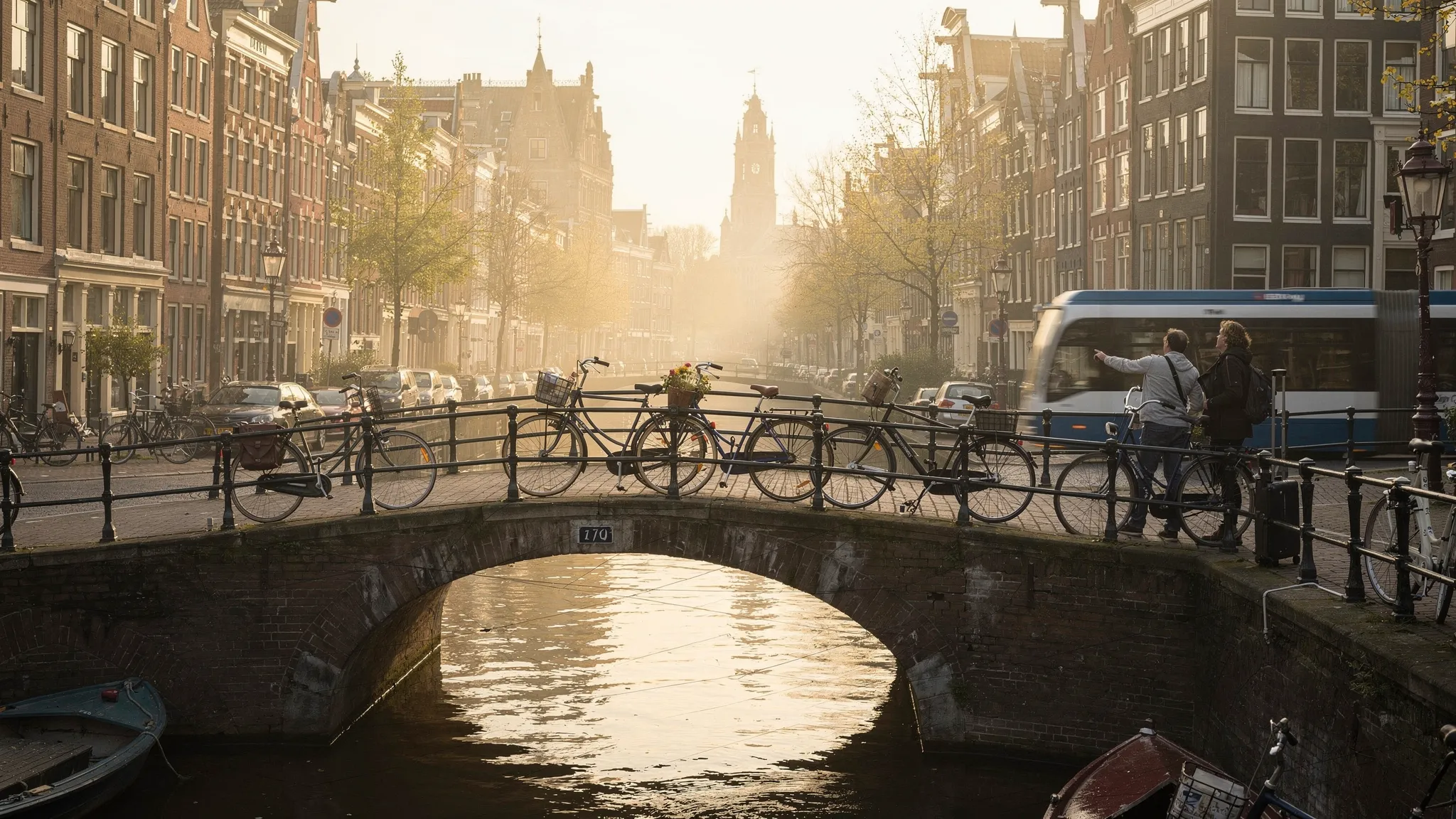
Imagine arriving at Schiphol after an overnight flight. You have one suitcase, one full day, and a hotel shortlist split between the Canal Ring, Zuid, and Noord. The nightly rates look close enough to confuse you, but the experience will not be close at all.
The Canal Ring is the easiest emotional choice. You step outside and Amsterdam performs immediately: arched bridges, brown cafes, boutiques, galleries, and the sense that you are sleeping inside a painting. The cost is not only money. It can also be smaller rooms, more stairs, more street noise, and premium pricing for character that may or may not translate into comfort.
If you want to begin broadly, compare live rates for Amsterdam hotel deals on InnRox before narrowing by neighborhood. The key is to compare total price, not just the first nightly number, because Amsterdam taxes and add-ons can shift the real value quickly.
Zuid feels different from the first tram stop. The streets widen, the pace lowers, and the architecture moves from canal-house intimacy to museums, embassies, leafy avenues, and glassier business hotels. It is less cinematic at midnight, but often more practical. If your trip includes the Rijksmuseum, Van Gogh Museum, meetings near Amsterdam Zuid, or events near RAI, this area can save time without feeling suburban.
Noord, across the IJ, is the city after its industrial second act. Warehouses have become cultural spaces, waterfront terraces face the old city, and hotels often trade canal nostalgia for larger rooms and modern design. Noord is not the best fit for every traveler, but for people who value space, design, and a less crowded evening scene, it can turn an average hotel budget into a better stay.
The Canal Ring is where many first-time visitors want to stay, and for good reason. You can walk to major sights, drift back to your room between museums, and enjoy the city at its most atmospheric before day-trippers arrive. If Amsterdam is a short romantic break, a first visit, or a celebration, central convenience can be worth the premium.
But this is also where travelers overpay most easily. A historic canal-house hotel may have uneven room sizes, limited elevator access, steep stairs, and sound that travels through old floors. A room labeled classic, cozy, or canal adjacent may be charming, but it may also be small enough that opening two suitcases becomes a nightly negotiation.
For classic Canal Ring luxury, travelers often look at properties such as Pulitzer Amsterdam, which fits the idea of Amsterdam as a collection of connected canal houses rather than a conventional hotel block. This kind of stay is best for travelers who want location and atmosphere to be part of the memory, not just a place to sleep.
The practical question is whether you will use the location enough to justify it. If you plan to walk constantly, return for afternoon rests, and dine nearby, the Canal Ring saves transit time and adds pleasure. If your itinerary is mostly business meetings in Zuid, nightlife in Noord, or day trips by train, you may be paying for a beautiful location you only see in the dark.
Boutique hotels in the Canal Ring can be a better deal than top-tier luxury if you care more about neighborhood feel than spa facilities. A hotel like Hotel Estheréa appeals to travelers who want ornate interiors and central charm without necessarily choosing the most expensive luxury category in the city.
The booking trap is the view. A true canal view can be wonderful, especially if your room is high enough and the window is not blocked by parked bicycles, trees, or a narrow angle. But a city view in central Amsterdam can mean a wall, a roofline, or a busy street. Pay for a view only when the description is specific and the trip style supports it. For a work trip or a museum-heavy itinerary, spend the money on cancellation flexibility, breakfast, or a larger room instead.
Zuid rarely sells itself with the same emotional force as the Canal Ring. It does not greet you with crooked gables at every corner. Its appeal is subtler: better access to museums, smoother airport connections through Amsterdam Zuid station, calmer evenings, and a hotel stock that often feels more modern.
For travelers who dislike the cramped-room lottery of the historic center, Zuid can be the better value. You may get larger rooms, better bathrooms, stronger workspaces, and quieter sleep for a similar or lower total price. The tradeoff is that you will take trams or the metro more often, and the city may feel less instantly magical when you step outside.
Luxury in Zuid tends to feel more spacious and design-led. A search for Conservatorium Hotel Amsterdam puts you in the mindset of museum-quarter luxury, where the premium is less about canal nostalgia and more about architecture, service, and proximity to cultural landmarks.
This is where premium upgrades deserve a different calculation. In the Canal Ring, you might pay for romance. In Zuid, you pay for function. A room upgrade can be worth it if it gives you a better desk, quieter orientation, or enough space for a longer stay. A spa or breakfast package may be worth comparing if you will actually use it, but do not assume luxury automatically includes everything. Spa access, breakfast, and late checkout can be separate costs depending on the hotel and room type.
Zuid also has a split personality. Around Museumplein and Oud-Zuid, it suits couples, families, and culture-focused travelers. Near RAI, it becomes a business and event district where pricing can change sharply with conferences. If your dates overlap a large trade fair, a hotel that looked reasonable one week can become one of the most expensive options the next.
For a modern business or event-oriented stay, compare options such as nhow Amsterdam RAI, especially if your priority is access to the RAI area, transport links, and contemporary facilities rather than old-city atmosphere.
The biggest Zuid mistake is assuming it is always cheaper. It often offers better value, but not always lower rates. During business-heavy weekdays or major events, the center may occasionally be more competitive, especially for travelers willing to accept smaller rooms. Always compare the total cost against your daily route, not against a vague idea of where the bargain should be.
Noord is where Amsterdam hotel deals become interesting for travelers who do not need to sleep inside the postcard. The area across the IJ has a different rhythm: more sky, more water, more converted industrial spaces, and fewer crowds pressing into narrow lanes. It can feel refreshing after a day in the center.
The value case is real. Hotels in Noord may offer more contemporary design and more room for the money than comparable central properties. For families, design-focused couples, repeat visitors, and travelers who like neighborhoods in transition, Noord can feel like the smarter choice.
A hotel such as Sir Adam Hotel Amsterdam represents the waterfront side of Noord, where views, music culture, and quick access back toward Centraal can be part of the appeal. This type of stay works best when you like crossing between neighborhoods rather than staying fixed in one tourist corridor.
The ferry clause is simple: transport must fit your schedule. Some ferries are free and frequent, and the metro can connect Noord efficiently with the rest of Amsterdam. But if your hotel is not near the right ferry or metro stop, late-night logistics change the math. A cheap room plus repeated rideshares through tunnels can become less compelling than a slightly pricier hotel in Zuid or the Canal Ring.
Noord also asks a mood question. If you want to wander out at 11 p.m. and find endless bars, canals, and late-night street life immediately around you, the center is easier. If you prefer a quieter base after dinner, with occasional trips back across the water, Noord can feel like a relief.
For short stays, Noord is best when the hotel is highly connected. For longer stays, it becomes more attractive because the savings and extra space accumulate. For one-night stopovers with early flights, it depends entirely on your airport route. Do not book Noord only because the nightly rate is lower. Book it because the transport pattern matches how you actually travel.
The easiest way to compare Amsterdam neighborhoods is to separate emotional value from practical value. The Canal Ring wins on atmosphere and walkability. Zuid wins on cultural access, business convenience, and calmer comfort. Noord wins on space, design energy, and often better rate-to-room quality.
| Area | Best for | What you are paying for | Where value hides | Common booking regret |
|---|---|---|---|---|
| Canal Ring | First visits, romance, short stays, walkability | Atmosphere, central location, historic character | Smaller boutique hotels on quieter streets | Paying for a vague view or accepting a tiny room unknowingly |
| Zuid | Museums, business trips, families, longer stays | Space, calmer sleep, transport links, modern comfort | Hotels near tram, metro, or museum routes | Booking during an event week without checking rate spikes |
| Noord | Design lovers, repeat visitors, value hunters, relaxed stays | Larger rooms, waterfront feel, creative energy | Well-connected hotels near ferry or metro access | Saving on the room but overspending on late-night transport |
The best area is not the cheapest area. It is the area where your room price, movement pattern, and energy level line up. Amsterdam is compact, but compact does not mean frictionless. Rain, bridges, cobblestones, bikes, and luggage all make location matter more than a map suggests.
Amsterdam's hotel categories often overlap, but the tradeoffs are clear once you look closely.
Boutique canal hotels are best when the room itself is part of the destination. They can be intimate, beautiful, and memorable. They can also be inconsistent. One room may be spacious and quiet, while another in the same property may be narrow, low-ceilinged, or close to street noise. If you choose boutique, read the room category carefully and avoid assuming all rooms share the same character.
Luxury hotels make sense when service, location, and facilities reduce stress. In Amsterdam, luxury is worth paying for when you have limited time, a special occasion, or a need for reliable comfort. It is less worth paying for if you will spend every day outside and return only to sleep. The most common mistake is paying luxury rates while using none of the luxury benefits.
Business hotels, especially in Zuid and near transport nodes, can be undervalued by leisure travelers. They may lack canal romance, but they often deliver larger beds, better soundproofing, elevators, efficient check-in, and easier airport connections. On weekends or non-event dates, they can offer strong value for couples and families who care more about comfort than historic drama.
Aparthotel-style stays can help longer trips, especially for families, but check cleaning policies, deposits, and kitchen usefulness. A kitchenette is only valuable if you will use it, and some apartment-style properties charge differently for housekeeping. In Amsterdam, where restaurants and cafes are part of the pleasure, do not overpay for facilities that only look useful in photos.
Amsterdam is not a city where hidden costs always appear as dramatic resort-style fees. The add-ons are subtler: tax, breakfast, transport, parking, room upgrades, and timing. Together, they can change which hotel is actually the deal.
The most important cost is tourist tax. Amsterdam's hotel tax has been notably high in recent years, reaching a percentage level that can materially affect the final bill. Always check whether the price you are comparing includes taxes and charges. A room that appears cheaper before tax may lose once the final total is shown.
| Cost to check | Why it matters in Amsterdam | How to avoid overpaying |
|---|---|---|
| Tourist tax | It can add a noticeable percentage to the room total | Compare final prices, not preview rates |
| Breakfast | Central hotel breakfasts can cost as much as a cafe meal | Pay only if you value convenience or have early plans |
| Parking | Central parking can be extremely expensive and limited | Avoid driving into the center unless necessary |
| Airport transfer | Taxis can erase savings compared with train or metro routes | Choose hotels with simple public transport access |
| View upgrades | City view can mean rooftops, walls, or street noise | Pay only for clearly described canal or landmark views |
| Early check-in | Morning arrivals often require waiting or a fee | Use luggage storage or book the prior night if essential |
| Late checkout | Useful for evening flights, but not always included | Ask before arrival and compare with day-use alternatives |
| Spa or pool access | Some facilities are limited by room category or reservation | Confirm inclusions before paying a premium rate |
Parking is the cost many travelers underestimate most. If you are driving, a cheaper hotel in the Canal Ring can become expensive very quickly. Zuid may be easier but still costly. Noord can be more manageable depending on the property and route, but you must compare parking price, access, and whether you will actually use the car once in the city.
Breakfast is the second quiet money leak. Amsterdam has excellent cafes, and many travelers enjoy leaving the hotel for coffee and pastries. Hotel breakfast is worth it when you have children, early meetings, mobility concerns, or a schedule that rewards speed. It is less compelling when you are staying in a cafe-rich area and prefer flexible mornings.
The most valuable hotel upgrade in Amsterdam is not always the prettiest one. A larger room can matter more than a view because canal houses and older buildings may have tight layouts. Soundproofing can matter more than a welcome drink. Flexible cancellation can matter more than a decorative suite if your trip dates depend on weather, work, or flight prices.
A canal view is worth paying for when the room is a major part of the trip. Honeymooners, anniversary travelers, and first-time visitors with slow mornings may love it. But if you are out from breakfast until midnight, the view is a short expensive moment. Put that money toward a better neighborhood fit instead.
Club lounge or breakfast upgrades can be smart for business travelers who need quiet space, reliable coffee, and quick meals. For leisure travelers, they can accidentally trap you inside a hotel when the city outside is full of better food. Ask what problem the upgrade solves. If there is no problem, it is probably not value.
Flexible booking is often underrated. Amsterdam rates can swing with seasonality, holidays, and events. Paying slightly more for free cancellation or pay-later terms, where available, can protect you if a better deal appears or your plans shift. The cheapest non-refundable rate is only the best rate when your dates are completely fixed.
Amsterdam's hotel market moves with weather, flowers, business calendars, and weekends. Spring brings tulip-season demand and holiday travel. Late April around King's Day can be festive and expensive. Summer draws long days, outdoor terraces, and higher leisure demand. September and October can bring strong cultural and business travel, while winter often offers better prices outside holidays.
The neighborhood impact is uneven. Canal Ring rates usually rise quickly during peak leisure periods because visitors want the classic Amsterdam setting. Zuid can spike during conferences, museum-heavy weekends, and RAI events. Noord may remain better value longer, but attractive waterfront or design hotels can still climb when the whole city fills.
Weekdays and weekends also behave differently. Business-heavy areas can be pricier from Monday to Thursday, while central leisure hotels often surge on Friday and Saturday. If your dates are flexible, shifting by one night can change the deal more than switching hotel brands.
The best value months are often the ones where the weather is imperfect but the city still works beautifully: late winter, early December outside holiday peaks, and shoulder-season weekdays. Amsterdam in rain is not a failed trip. It is a different trip, one built around museums, cafes, trams, and quieter canals.
If you are visiting Amsterdam for the first time and have only two nights, choose the Canal Ring or a nearby central edge. You will pay more, but you will spend less time commuting and more time absorbing the city. Just prioritize a quiet street, clear room size, and transparent total price over vague luxury language.
If you are planning a business trip, start in Zuid unless your meetings are elsewhere. The combination of airport access, business hotels, and calmer evenings often beats central charm. For conference dates, book earlier and compare cancellation terms carefully, because prices can move quickly.
If you are traveling as a couple, decide what kind of romance you want. Canal Ring romance is visual and immediate. Zuid romance is calmer, more polished, and museum-led. Noord romance is more contemporary, with skyline views, waterfront drinks, and a sense of discovery. None is universally better. The right choice depends on whether you want classic beauty, quiet comfort, or creative edge.
If you are traveling with family, room size and transit access should outrank postcard location. Zuid often works well because streets feel calmer and museums are close. Noord can work if the hotel has good transport links and enough space. The Canal Ring can still be wonderful, but check elevators, stair access, and whether rooms can truly accommodate everyone.
If you are a nightlife traveler, be careful with Noord unless you like planning your return. The center and nearby districts give you more late-night spontaneity. If you are a light sleeper, the same nightlife advantage can become a problem, so choose side streets and check whether the hotel is near bars or tram lines.
Before choosing, do one honest calculation. Add the room total, tourist tax, breakfast if needed, airport transfer, daily transit, parking if applicable, and any upgrade you are considering. Then compare that number with your itinerary.
A Canal Ring hotel at a higher rate may be the real deal if it lets you walk everywhere and skip taxis. A Zuid hotel may win if it gives you space, sleep, and faster airport access. A Noord hotel may be best if the transport is easy and the room quality is clearly higher for the price.
Genuine value in Amsterdam usually has three signs: the location matches your daily route, the final price is clear before payment, and the room category solves a real comfort need. Marketing hype usually sounds like charm without specifics, views without details, or luxury without useful inclusions.
Where should first-time visitors stay for the best Amsterdam hotel deals? First-time visitors usually get the best overall experience in or near the Canal Ring if the trip is short and walkability matters. The best deal is not always the lowest rate, but the hotel that reduces transit time while offering a clear final price and a suitable room size.
Is Zuid better than the Canal Ring for business travelers? Zuid is often better for business travelers, especially when meetings are near Amsterdam Zuid, RAI, or museum-quarter offices. It can offer calmer rooms, better workspaces, and easier airport access, though rates may rise sharply during major events.
Is Noord too far from central Amsterdam? Noord is not necessarily too far, but it depends on the exact hotel location. If you are near the right ferry or metro connection, it can be convenient and good value. If you rely on late-night rideshares, the savings may shrink.
Are canal-view rooms worth the upgrade? Canal-view rooms are worth it for romantic trips, first visits, and slow mornings when you will enjoy the room. They are less worthwhile for busy itineraries where you return late and leave early. Always check that the view is specifically described.
What hidden costs should I watch for in Amsterdam hotels? Watch for tourist tax, breakfast charges, parking, airport transfers, early check-in, late checkout, minibar fees, and unclear upgrade descriptions. Always compare the final total rather than the first displayed rate.
When is the cheapest time to book hotels in Amsterdam? Better value often appears in winter and on shoulder-season weekdays, excluding holidays and major events. Spring, summer, King's Day, conference periods, and busy weekends can push rates higher across all three areas.
Amsterdam is too layered for one best hotel answer. The Canal Ring is best when atmosphere is worth paying for. Zuid is best when comfort, museums, and business logistics matter. Noord is best when you want design, space, and a different angle on the city, as long as transport works in your favor.
InnRox is built for travelers who want clear pricing, fast reservations, and less booking clutter. Compare final prices, check flexible options where available, and choose the area that fits your trip rather than the hotel that only looks cheapest at first glance.
Start your search with Amsterdam hotel deals on InnRox, then filter your decision through the real questions: Can you walk where you need to go? Are taxes and fees clear? Is the upgrade useful? Does the neighborhood match the trip you are actually taking?