


InnRox
Travel Experts
April 26, 2026
10 min read
The Sunday-night ritual is familiar if you travel for work: laptop open, calendar invite glaring back, and a simple goal that somehow turns complicated fast, book a hotel that is close enough, quiet enough, and not absurdly priced.
This time, the destination is Amsterdam for a two-day meetings sprint near the RAI convention center. You type “trivago com hotels” into your search bar because comparing rates feels like the responsible thing to do. But five minutes later you are staring at a wall of numbers that do not quite match, labels that do not quite explain themselves, and a creeping suspicion that the cheapest option is only “cheap” right up until checkout.
What follows is the approach I wish someone had handed me years ago: a business-traveler way to compare hotel rates without overpaying, anchored in one city where price swings are real, and small details (breakfast, cancellation rules, taxes, room type) quietly decide whether you stayed on budget.
Amsterdam sells romance first, canals, gables, and bicycle bells in the fog. But on weekday mornings, a different Amsterdam takes the lead: executives funneling into glass-fronted offices in Zuidas, conference badges bobbing at the RAI, and international teams trying to squeeze productivity out of jet lag.
That business engine matters for your hotel bill. When major fairs, tech events, finance gatherings, or multinational offsites land, demand concentrates into a few convenient areas and rates climb quickly. The same hotel can feel “reasonable” one week and “why is this happening” the next.
The key is to compare like with like, and to decide what your trip is actually buying: minutes saved, cancellation flexibility, sleep quality, and fewer friction costs when you are already mentally spending.
You land at Schiphol with that clean, efficient hush airports have late at night. The train into the city is fast, and so is the temptation to choose a hotel “somewhere central” and assume the rest will work out.
But business travel punishes vague location choices. In Amsterdam, staying “pretty central” can mean a beautiful canal view paired with a 35 minute commute and a morning scramble when the agenda changes. Staying “near the venue” can mean fewer distractions and a calmer schedule, but sometimes at a premium during event weeks.
A practical mental map helps:

Most overpayment is not a dramatic mistake. It is a stack of small mismatches:
So instead of chasing the lowest number, compare the total trip cost you will actually incur.
When companies control travel spend, they do not rely on vibes. They standardize what “the same stay” means. You can borrow that mindset in two minutes.
Use this checklist table as your rate-comparison filter before you commit.
| What to compare | Why it changes the real price | What to verify before booking |
|---|---|---|
| Cancellation policy | Flexibility is insurance for shifting meetings | Deadline, penalties, and whether “free cancellation” is truly free |
| Breakfast | In Amsterdam, breakfast costs add up fast | Included or paid add-on, and whether it is per person |
| Taxes and fees | City taxes can meaningfully change totals | Whether the final price is shown upfront |
| Payment timing | Pay-now vs pay-later affects cash flow and reimbursement | When the card is charged and whether a deposit applies |
| Room type and occupancy | Similar names hide size and bed differences | Bed type, square footage (if listed), and max occupancy |
| Location cost | “Cheaper” can mean more transit and time lost | Walking time to venue, late-night safety, and noise level |
Two small habits make this work:
First, take one minute to define your “non-negotiables” (for this trip: within easy reach of RAI, quiet enough to sleep, flexible if the client moves the schedule).
Second, screenshot or note the exact conditions you are comparing. Your brain will not remember which tab had breakfast included when you are trying to expense receipts later.
If your meetings cluster near the convention center, staying close can feel like giving yourself an extra hour each day. If your schedule is split, a well-connected location can be the best compromise.
Here are three Amsterdam hotel anchors that match common business-trip patterns:
If you want to be close to conferences and event halls, start with nhow Amsterdam RAI, a convenient base when your calendar revolves around the RAI area.
If your workday needs a calmer, more classic business-hotel rhythm (especially useful when you are hosting someone or need dependable service), look at Hotel Okura Amsterdam.
If rail connections and early departures matter, or you want a straightforward commute and easy access to the city’s core, consider M%C3%B6venpick+Hotel+Amsterdam+City+Centre.
Once you have two or three viable bases, the “don’t overpay” part becomes simpler: you are no longer comparing everything in Amsterdam, you are comparing the same trip executed from different starting points.
Now you can ask the right questions: is the slightly higher nightly rate worth shaving two taxi rides, or avoiding a stressful morning transfer, or gaining flexible cancellation that protects your budget if the meeting moves?
Amsterdam’s hotel prices do not merely rise and fall with seasons, they jump around the city’s event calendar. That matters if your trip includes conferences, product launches, or corporate celebrations.
On one trip, I watched a colleague book a “great deal” on a room far from the venue, only to spend the savings on ride-hails after late dinners and an early morning when trains were crowded. The hotel rate looked efficient, but the trip was not.
If you are traveling for a gala or a company milestone, you can also reduce risk by planning the evening logistics early. For large-scale events, especially ones that need a signature moment (think champagne towers, timed pours, and photo-ready spectacle), it can help to look at specialists like Luuk Broos Events so the showpiece is professionally handled and does not become an operational headache for your team.
Back on the hotel side, your best defense against event-week pricing is flexibility, either in dates, location (one transit stop away can change rates), or the exact cancellation terms so you can rebook if prices drop.
You arrive, you check in, and the lobby smells faintly of coffee and rain-damp wool coats. This is the moment when “fine print” becomes “real life.” A few quick confirmations can prevent surprise costs later.
Ask, or verify in your booking details:
This is not being picky. It is the difference between a clean expense report and a messy one.
A business hotel is not just a bed. It is a control center.
If you are too far from where you need to be, you will pay in ways that never show up on the booking page: rushed breakfasts, skipped workouts, extra rides, and that low-grade stress that makes every meeting feel harder.
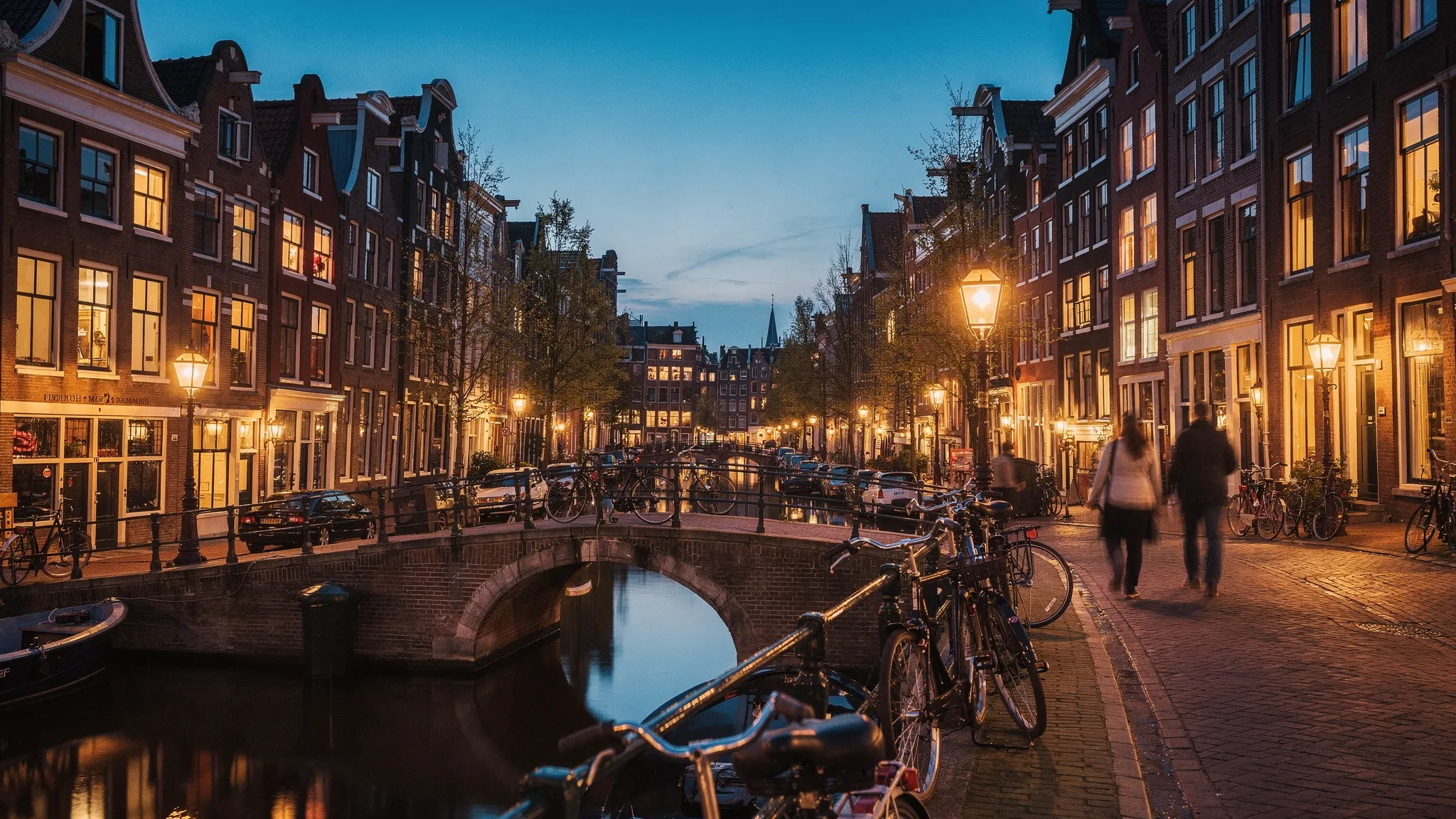
Amsterdam makes this vivid. One night you might be walking back past canals, hearing the soft click of bike chains and the distant thrum of trams. Another night, you are standing under fluorescent station lights watching the minutes tick while you rehearse tomorrow’s pitch.
When you compare rates, put a value on your time. For work travel, time is often the most expensive line item, it is just not printed.
Here is the classic overpaying trap: you book a flexible rate, then forget to use it.
If your schedule changes, re-check rates and conditions as soon as you know. Sometimes the same hotel drops in price closer to arrival, sometimes a better room category appears, sometimes your original rate was great and you keep it. The point is to treat flexibility like an option you can exercise, not a badge you purchased.
Also, save your final invoice at checkout. If you are reimbursing travel, the invoice details (taxes, dates, payment method) often matter more than the booking email.
If your goal is simply to book a hotel at a competitive rate with clear terms, it helps to use a booking flow that is built for speed and transparency.
InnRox is designed for travelers who want straightforward hotel booking, with the final price shown upfront (no hidden fees), fast reservations with real-time availability, and flexible options like free cancellation and pay-later deals where available.
To price-check your Amsterdam stay quickly, you can start with a focused search like Amsterdam hotels near the RAI area and compare a small set of stays on the terms that actually impact your total.
What should I compare when looking at hotel rates online? Compare cancellation rules, taxes and fees, breakfast inclusion, payment timing, room type, and location. These factors often explain why two “similar” rates are not truly comparable.
Is free cancellation always free? Not always. Many flexible bookings are only free until a specific deadline (sometimes days, sometimes hours). After that, penalties can range from one night to the full stay.
Should business travelers prioritize pay-later options? Pay-later can help with cash flow and makes it easier to adjust plans, but only if you still confirm the cancellation deadline and any deposit rules.
How can I avoid overpaying during big events? Book earlier with flexible terms when possible, consider staying one well-connected neighborhood away from the venue, and re-check rates once your schedule is locked.
Amsterdam rewards the traveler who plans the essentials and leaves room for the good parts: an unhurried coffee in De Pijp, a canal walk after a strong meeting, the feeling that you handled the logistics well enough to actually be present.
When you are ready to compare options without noise and lock in a stay with transparent terms, start your next search on InnRox: find hotel deals fast on InnRox.