

InnRox
Travel Experts
April 21, 2026
8 min read
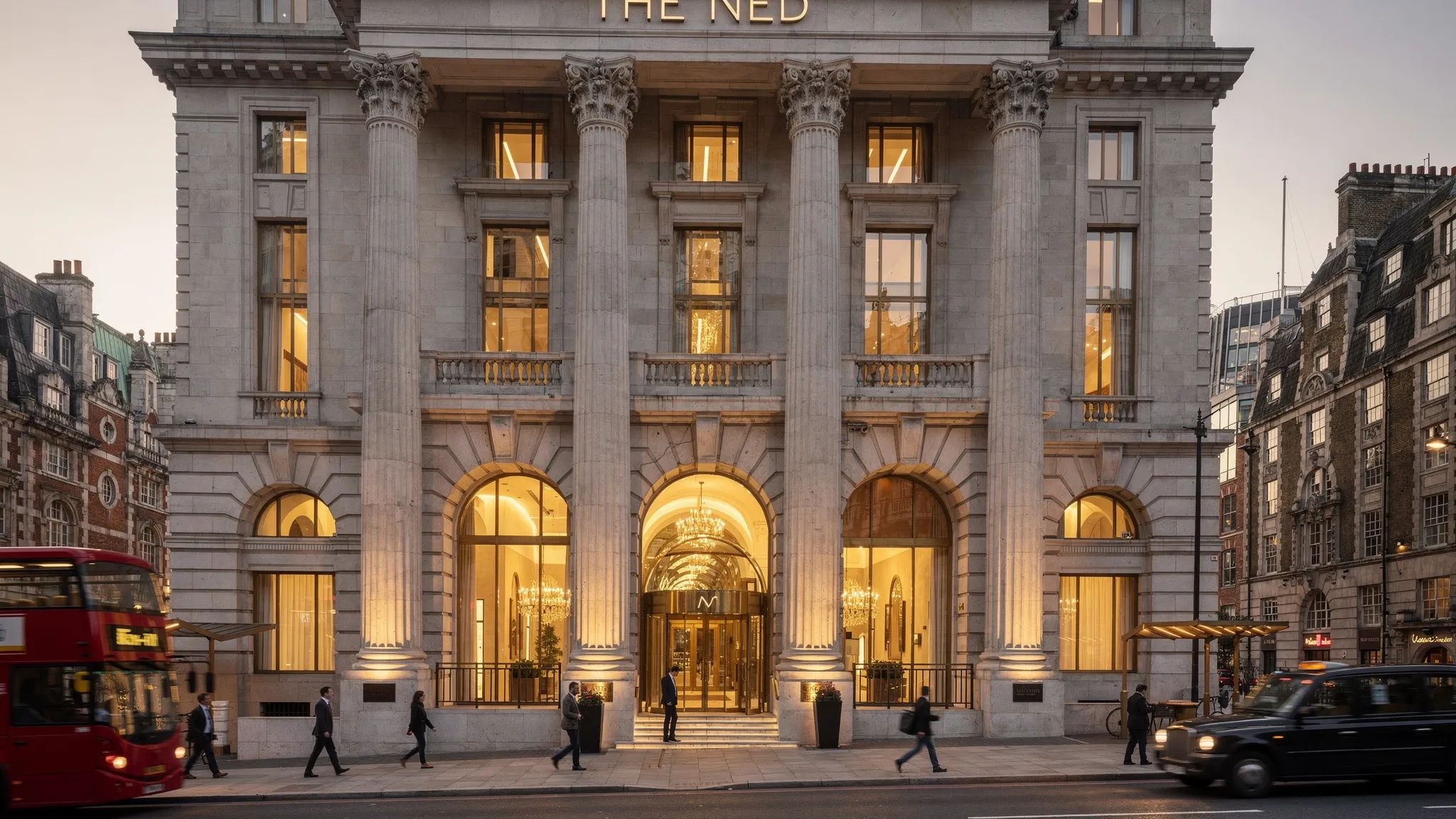
The first time you see The Ned, you feel it before you understand it. The building sits with the heavy confidence of old money, all Portland stone, carved order, and strict symmetry, as if the City of London itself decided to become architecture. Outside, the streets do what they always do here, shoes tapping fast on pavement, buses exhaling at intersections, the occasional church bell trying to be heard over the weekday rush.
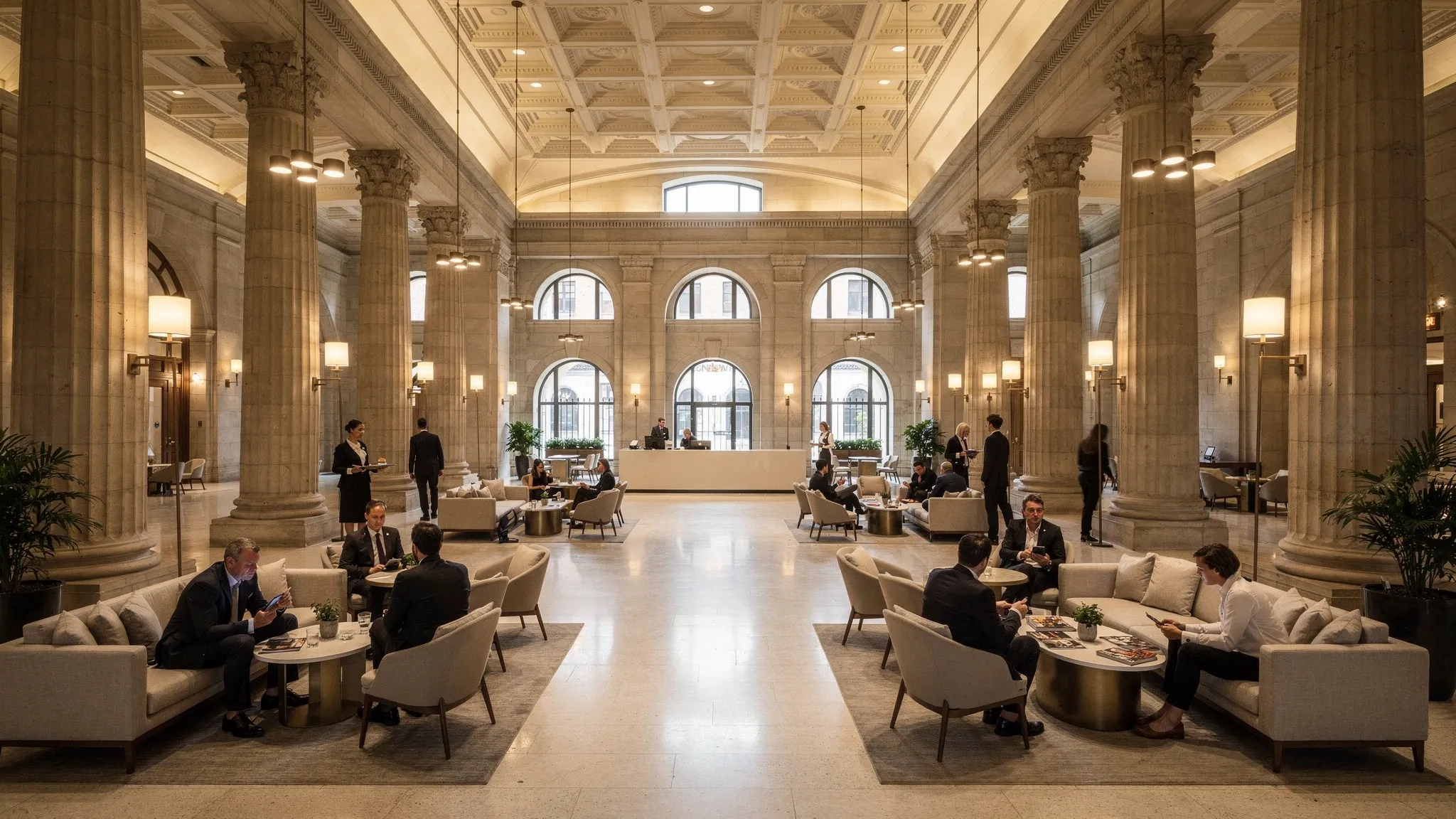
Then you step inside, and the mood changes. The air turns warmer and lower, scented with coffee and polished wood. Sound gathers in soft layers, clinking glass, a low hum of conversation, footsteps slowed by thick flooring. It is a hotel, yes, but it still feels like a place where important things were once decided in quiet rooms.
The Ned’s story begins long before anyone checked in with a weekend bag.
This was once the grand headquarters of a major bank, designed in the early 20th century with the kind of permanence that institutions loved to project. The style is classic and disciplined, with monumental columns, high ceilings, and a sense of choreography in the way the rooms connect. Even if you do not know the architectural details, your body reads them: this was built to impress, to reassure, to last.
There is a particular feeling to former financial buildings, an almost theatrical seriousness. In many conversions, that intensity gets sanded down into generic luxury. Here, it has been reframed instead. The Ned leans into the building’s original gravitas and uses it as a stage set for modern hospitality.
Today, the old banking hall energy is still present, but it is no longer stern. It is social. The scale remains huge, but the experience is human, with lighting that flatters rather than interrogates, textures that soften the edges, and seating that encourages lingering.
The design-forward appeal of the ned london is not about minimalism or novelty. It is about adaptive reuse done with confidence, taking what was rigid and turning it into something alive.
| Bank-era detail | What it feels like today | Why it works for travelers |
|---|---|---|
| Monumental proportions and high ceilings | Airy, cinematic public spaces | You never feel cramped, even when it is busy |
| Formal materials (stone, metal, dark wood) | Warmed up with layered lighting and textiles | The building reads “grand,” not “cold” |
| Clear hierarchy of rooms and corridors | A sense of discovery as you move through zones | It feels like exploring, not navigating |
| Built for privacy and control | Reimagined for conviviality and rhythm | Great for both solo stays and group energy |
If you have only seen the City of London through the lens of weekday work, it is easy to miss its quieter beauty. After the commuter tide recedes, the neighborhood becomes almost intimate. Streets that felt purely functional in daylight reveal older layers: narrow lanes, sudden churchyards, small courtyards where you can hear your own footsteps.
From The Ned, you can drift toward St Paul’s Cathedral and watch the light slide across its stone, especially in late afternoon when the city glow turns honeyed. Head another direction and you find Leadenhall Market, a covered arcade that feels like a Victorian set piece, all ironwork and glass, a quick place to wander even if you are not shopping.
This is also a neighborhood built for short, satisfying walks. You are rarely more than a few minutes from a river view, a historic pub, or a tucked-away coffee bar that serves an espresso with the efficiency of someone who understands morning meetings.
Design-forward can be an empty phrase in hotel marketing. Here, it becomes practical.
In the public spaces, the materials do a lot of work. Hard surfaces that could feel echoey are balanced by fabric, upholstery, and careful acoustics. Lighting is tuned to the hour, bright enough for daytime productivity, softer later on. The result is a hotel that can hold multiple identities without feeling confused: business base, weekend escape, celebratory dinner destination.
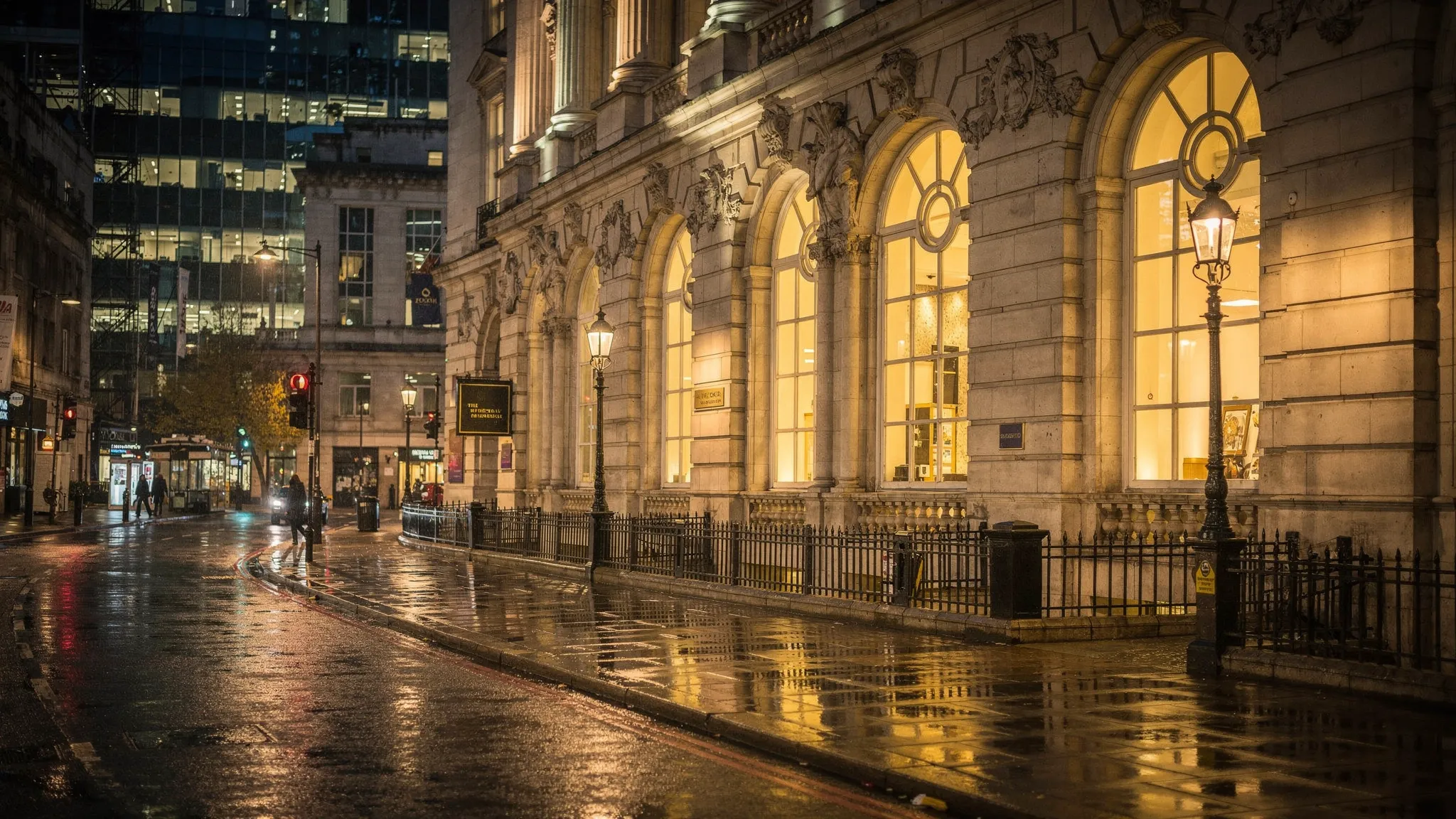
At night, the building changes again. The City can be surprisingly dark after office hours, but The Ned stays lit from within, like a lantern. You come back from an evening walk and the lobby feels like a private club you happen to have a key to.
A lesser-known truth about landmark-scale conversions is that the romance depends on the infrastructure. Old buildings were not designed for modern expectations around climate control, connectivity, elevator flow, or energy resilience.
If you are curious about the kinds of systems that keep contemporary buildings comfortable and prepared, especially around emergency power and electrical planning, it is worth reading about specialists like Notstrom & Elektrotechnik Sven Sanny, who outline how backup power, photovoltaics, and modern electrical work are approached in real-world projects.
Back at The Ned, what you feel is the outcome, not the mechanics: steady warmth on a cold London day, smooth transitions from busy public spaces to quieter corners, and the sense that the building can handle a full house without fraying at the edges.
The Ned is at its strongest when you want London to feel immediate.
It suits:
It is less ideal if your priority is “hideaway calm.” The energy here can be part of the point. If you want a hotel that feels like London’s social current, rather than an escape from it, this is where The Ned shines.
A small strategy can change the whole experience.
On weekdays, the neighborhood runs on tempo. Mornings feel purposeful, lunch hours are busy, and after-work drinks animate streets that can look austere at 10 am.
On weekends, the City becomes a different kind of London. Quieter sidewalks, easier reservations nearby, and a sense that you are staying in a district that belongs to history as much as to finance. If you like early starts and long walks, it is a surprisingly good weekend base.
If you are price-checking and want a straightforward booking flow, you can search and compare rates for The Ned here: https://innrox.com/hotel-search?direction=The+Ned+London.
InnRox is built for travelers who value clarity, with final pricing shown upfront, fast reservations, and flexible options like free cancellation or pay-later deals where available.
Because The Ned appeals to both business and leisure guests, rates can shift quickly around major City events, conferences, and peak summer weekends. If your dates are flexible, checking a day earlier or later can sometimes reveal noticeably different pricing.
Is The Ned London a good choice for business travel? Yes, it is particularly well suited to business trips because it sits in the heart of the City, close to major transit, and the atmosphere supports both quick meetings and solo work time.
What makes The Ned “design-forward” compared to other hotels? The impact comes from the building itself (a former bank) and the way the interiors preserve that monumental scale while adding warmth, lighting, and social energy that feels modern.
Is the area around The Ned worth exploring on foot? Absolutely. The City is full of short, high-reward walks, including routes toward St Paul’s Cathedral, Leadenhall Market, and the Thames.
When is the best time to stay at The Ned? Weekends can feel calmer in the surrounding district, while weekdays have more buzz and convenience if you are in London for work.
If you want a hotel that feels unmistakably London, not just located in London, The Ned offers a rare combination: historic grandeur with a present-day pulse. For a cleaner booking experience with transparent pricing and quick confirmation, start your search on InnRox here: https://innrox.com/hotel-search?direction=The+Ned+London.