

InnRox
Travel Experts
March 10, 2026
12 min read
You can feel it before you even drop your bag.
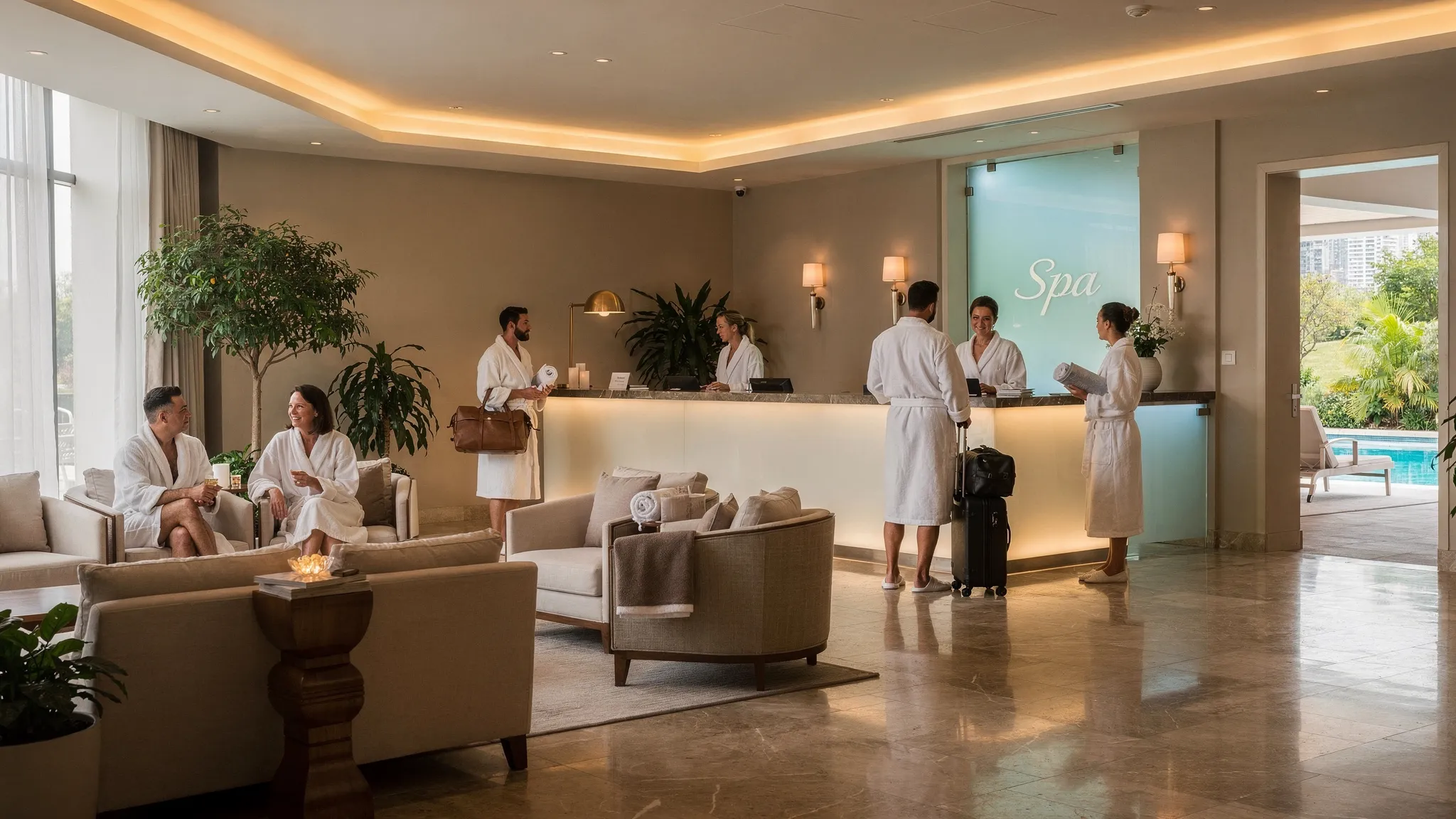
In the lobby, the air is cooler than the street outside. There is a soft hush, the kind that makes you lower your voice without thinking. Somewhere behind a heavy door, water is moving in a way you cannot see, a steady, indoor tide. This is the promise that brings people to spa hotels in the first place, not just pampering, but a reset that changes how you move through the next day.
But “spa hotel” can mean wildly different things: a historic thermal building where you float between mosaics and steam, a desert retreat built around silence and stargazing, or a city stay that happens to have an exceptional sauna circuit tucked above the noise. Choosing the right one is less about chasing the biggest treatment menu and more about matching the hotel’s style of recovery to the reason you are traveling.
This guide is written the way most real trips happen, from arrival to checkout, with the small decisions that shape whether you actually come home restored.
A good spa stay starts with a sentence you can say out loud:
“I want to feel ___ by tomorrow afternoon.”
Not “relaxed” in the abstract, but something more specific.
If you are traveling for work, you might want clear-headed: fewer decision points, quiet sleep, a simple circuit (heat, cold, rest), and a room that feels like a dimmer switch for your nervous system.
If you are traveling for romance, you might want softened: longer dinners, slower mornings, water you can share (without feeling like you are on display), and neighborhoods built for wandering.
If your trip is tied to a milestone, engagement, elopement, anniversary, you might want present: beauty without performance, a schedule that leaves space, and a place that makes memories without demanding a camera every minute. If you are planning something intimate in Spain or the Mediterranean and want a storyteller who understands that quieter kind of magic, you can explore Stories by DJ for elopement planning and filmmaking built around real moments.
The point is not to romanticize everything. It is to choose a property whose wellness offer supports your actual itinerary, rather than competing with it.
Here is the simplest way to translate that sentence into a smarter booking.
Not all spa hotels prioritize the same kind of recovery. Before you fall for photos of a pool, decide where you want the hotel to sit on this spectrum.
| Spa hotel style | What it feels like | Best for | Watch-outs |
|---|---|---|---|
| Thermal and historic spa | Heat and water with cultural weight (you feel part of a tradition) | Long weekends, shoulder-season city breaks | Can be busy at peak hours, some spaces feel more public |
| Urban wellness hotel | Efficient recovery inside a city itinerary | Business trips, conferences, short-notice stays | Spa hours may be limited, treatments can book out |
| Destination retreat spa | The schedule is the therapy (slow, intentional, often nature-based) | Burnout recovery, couples, deep rest | Often farther from city centers, less spontaneous |
| Nature-integrated wellness | Recovery shaped by landscape (hikes, silence, fresh air, night sky) | Active travelers, stress relief, creative resets | Requires planning (transport, dining hours), fewer late-night options |
Once you know your style, you can evaluate hotels with a clear eye.
A truly restorative spa hotel makes it easy to repeat a loop:
warmth → cool down → rest → hydration → sleep
You do not need a hundred treatments to do that well. You need the right spaces, in the right order, with friction removed.
When you are comparing options, focus on:
If you want an example of a city that has built its identity on the recovery loop, start with Budapest.
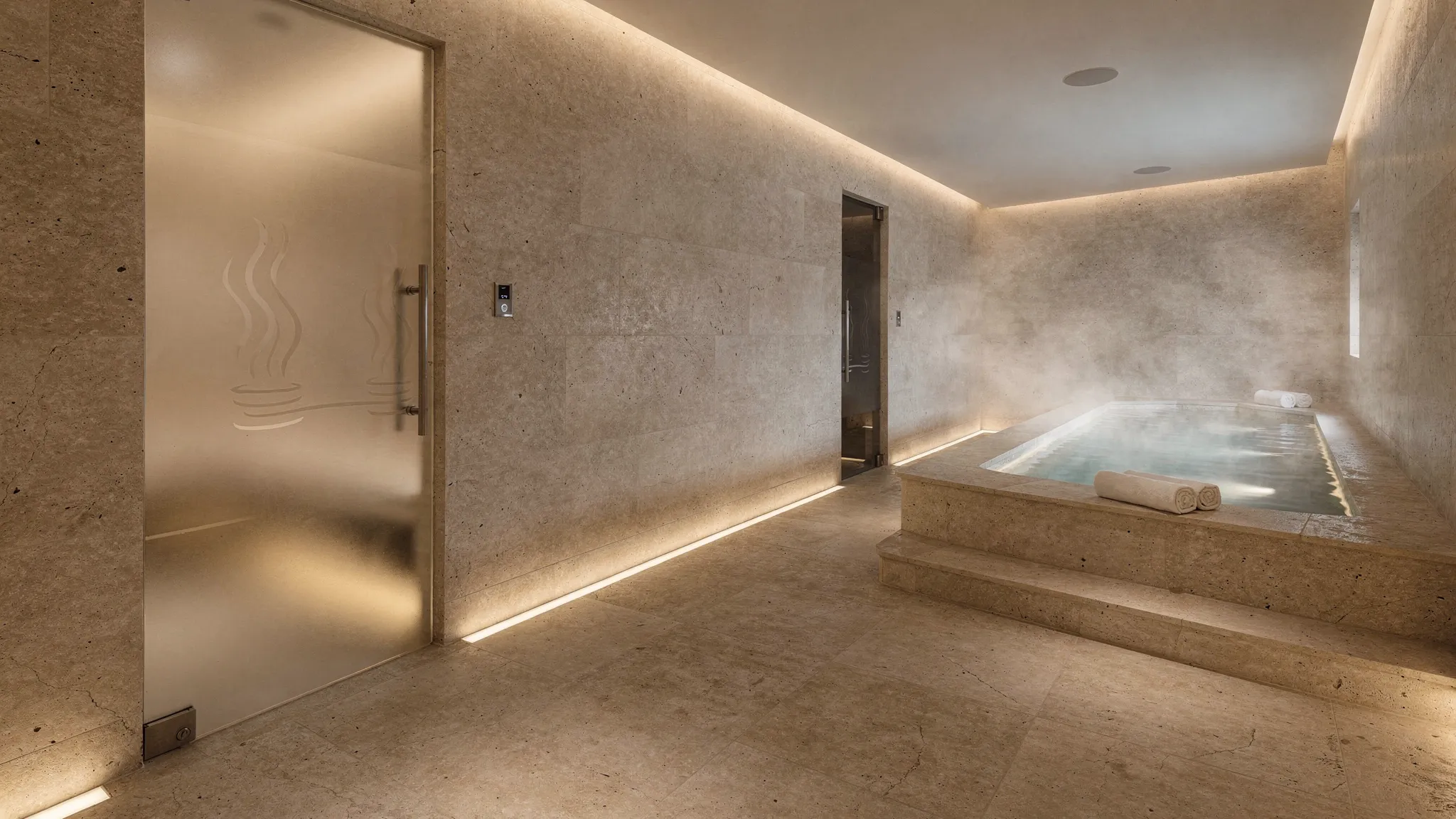
Budapest’s wellness culture is not a trend, it is geography. Mineral-rich thermal waters rise through the city, and the architecture around them tells stories in stone and tile. You can spend the day in meetings, then step into heat that feels older than your calendar.
For a classic, city-centered stay where thermal culture is part of the wider Budapest rhythm, you can explore options like Corinthia Budapest, a property often associated with the idea that you do not have to leave the city to feel transported.
Budapest is also a neighborhood city. If your goal is to reset without disappearing, aim for walks that stitch wellness into normal life: the wide sweep of Andrássy Avenue, the café glow around Oktogon, the evening view-lines that pull you toward the Danube.
And because a reset is not only what you do inside the spa, pay attention to what happens right outside your front door.
A common booking mistake is picking a spa hotel that is technically excellent, then placing yourself in a location that drains you.
Think in a 20-minute radius.
This is where spa hotels can outperform “wellness resorts.” Resorts often ask you to commit your entire trip to the property. A well-chosen spa hotel in the right neighborhood lets you combine recovery with real travel.
A perfect example of this “city plus water” approach is Bath in England, where the town itself is part of the therapy. Georgian crescents curve like a calm thought. Honey-colored stone holds warmth long after sunset. Even the sound of footsteps feels different on old pavements.
If your reset is about history and water (and you want your spa experience to feel specific to place), consider a stay built around Bath’s thermal identity, such as The Gainsborough Bath Spa.
Bath also rewards the gentle traveler. The best recovery here is not “doing,” it is drifting: a morning walk past the Abbey, a pause at the river, a slow lunch that does not try to impress you.
Spa menus are full of beautiful words that can hide practical differences. When you are choosing spa hotels, translate marketing into outcomes.
If a hotel emphasizes “rituals” and “journeys”, expect longer, more sensory experiences (scrubs, hammam-style sequences, sound or aromatherapy). Great for romance and milestone trips.
If a hotel emphasizes “recovery,” “performance,” or “sleep,” expect targeted services (sports massage, breathwork, cold exposure, quieter relaxation spaces). Great for business travel and short stays.
If a hotel emphasizes “thermal,” “mineral,” or “spring,” you are booking the water as much as the room. Great for cultural travelers who want wellness rooted in place.
Questions worth asking (or checking in policies/FAQs) before you commit:
These details matter more than whether the spa has eight kinds of facials.
A reset can be undone by one thing: a room that does not let you sleep.
For business travelers and light sleepers, prioritize:
For couples, prioritize:
A good spa hotel treats sleep as the final treatment.
Some people reset in heat. Others reset in air.
If your nervous system calms down when your eyes can travel far, consider spa hotels where nature is not an excursion, it is the setting. Sedona is the kind of place where the landscape does half the work. The red rock formations hold dawn like a slow-burning ember, and even a short walk can feel like a recalibration.
For a nature-forward stay where wellness is shaped by the desert atmosphere and the pace of the day, you can look at options like Enchantment Resort Sedona.
In Sedona, your best “treatment” might be a quiet early coffee outdoors, then a gentle hike before the sun gets high. The spa becomes the anchor point that brings you back into your body afterward.

When you are short on time, use a checklist that respects your trip’s constraints.
| What matters most | Quick signal to look for | Who it’s ideal for |
|---|---|---|
| Maximum relaxation in minimal time | Strong thermal circuit and long access hours | Weekend travelers, short-notice bookers |
| Better sleep | Quiet rooms, blackout, a spa designed for calm (not crowds) | Business travelers, jet lag recovery |
| Romantic atmosphere | Private-feeling spaces, couples treatments, neighborhood dining | Couples, anniversaries |
| Culture plus wellness | Thermal heritage, local materials, place-specific rituals | City explorers |
| Value | Transparent pricing and flexible booking options where available | Deal hunters who still want quality |
Then sanity-check the booking with three “reality” questions.
If your schedule is tight, choose a hotel where the spa is easy to access without turning it into a project. On a work trip, “five minutes from elevator to steam room” beats “world-class spa, 25-minute shuttle.”
Some spas are social. Some are silent. Some are design-forward and photogenic, others are traditional and functional. Neither is better, but one will feel wrong if you book it for the wrong reason.
A deal can disappear when you add facility fees, spa access surcharges, or rigid cancellation policies. Look for clear terms and flexibility when it matters (especially for short-notice business trips).
InnRox is built around exactly that kind of clarity: competitive rates, transparent pricing upfront, and fast reservations without unnecessary clutter.
The fastest way to feel comfortable in spa hotels is to assume you are there to be quiet, clean, and unhurried.
You do not need to know every custom in advance. You only need to enter as if the calm belongs to everyone.
What should I look for when booking spa hotels for a short trip? Prioritize the recovery loop: easy spa access, good hours, a strong heat and cool-down circuit, and a room designed for sleep (quiet, dark, comfortable temperature).
Are spa hotels worth it for business travel? Yes, if the spa experience is efficient and calming. A steam room, sauna, and quiet lounge can improve sleep and help you feel sharper the next day, especially after flights or long meetings.
How can I tell if a spa hotel is more “romantic” or more “performance recovery”? Read the language. “Rituals” and “journeys” usually signal sensory, romantic experiences. “Recovery,” “sleep,” and “performance” signal more targeted, functional wellness.
Do I need to book treatments in advance? For weekends and popular destinations, it is smart to book ahead. If you prefer spontaneity, choose a hotel where the thermal circuit alone would still make the stay worthwhile.
What’s the biggest mistake people make when choosing a spa hotel? Booking a beautiful spa in the wrong location or with limited access hours. Neighborhood and timing often matter more than the size of the menu.
If you are planning a thermal city break, a quiet historic stay, or a nature-first retreat, InnRox makes it easier to compare spa hotels with transparent pricing, fast booking, and flexible options where available.
Explore a few reset-ready ideas to start:
When your hotel supports your nervous system instead of fighting it, the rest of the trip gets lighter. That is the real luxury.