

InnRox
Travel Experts
April 20, 2026
11 min read
You can search priceline packages for a quick “one-click” answer to a business trip problem: get the flight, get the hotel, get back to work. But packages have a habit of looking cheapest at 11:47 pm, then feeling expensive at the front desk, on your card statement, or when a meeting shifts and you need to change dates.
This is the story of a three-night trip to Singapore that taught me a simple rule: the real price of a package is rarely the headline price. It is the sum of fine print, local fees, and the timing of when each part is charged.
My calendar said “Singapore, Q2 pipeline review.” Three days. Four meetings. One client dinner. Zero time to troubleshoot travel.
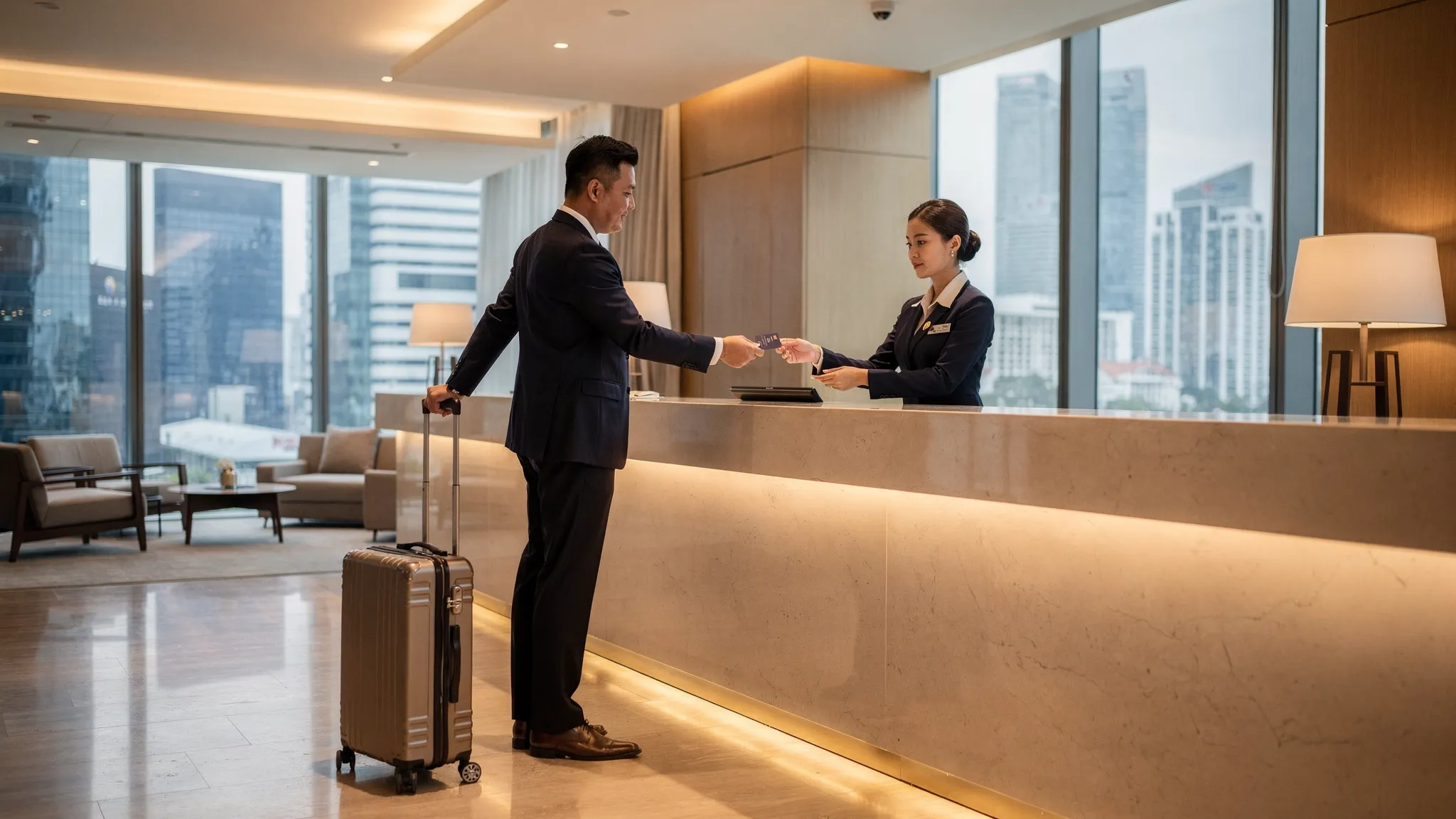
At home, booking felt like a productivity win. A bundled price, a single confirmation email, and the soothing promise that everything was “secured.” I chose a hotel near the CBD so I could walk to Raffles Place in the morning, slip into a lobby with cold air and polished stone, and still make a 9:00 am without relying on traffic.
Singapore does that thing global business hubs do: it welcomes you with efficiency. Changi runs like a well-lit algorithm. The taxi line moves with quiet certainty. Even the downtown skyline looks like it was value-engineered for momentum, glass towers, clean edges, purposeful lighting.
Then the first surprise landed, not at immigration, but at check-in.
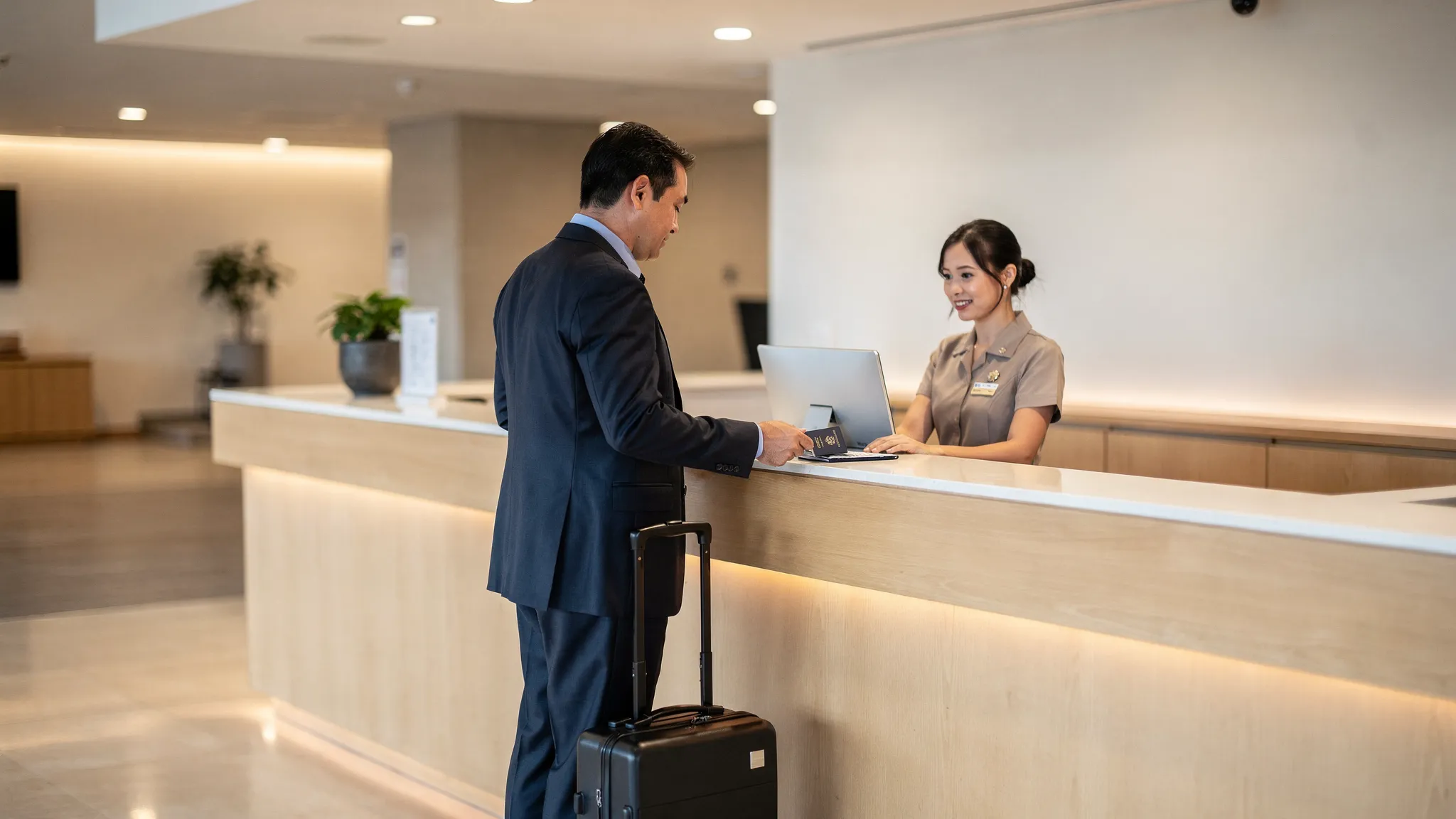
A “deposit.” Not a scam, not a mistake, just a reality I had not priced into my mental total. Then a second surprise, breakfast that sounded included in the way it was phrased, but was not, at least not for my room type. The third surprise was subtler: the package had narrowed my flexibility. Changing the hotel dates because a meeting moved from Thursday to Friday was suddenly not a simple swap, it was a policy puzzle.
None of these were outrageous individually. Together, they changed the total cost and the feeling of the trip. Business travel is not only about money, it is about predictability. When predictability breaks, you pay twice, once in dollars, and again in attention.
A package can be a perfectly good deal, especially when it consolidates discounts or reduces friction. The problem is that travelers often compare a packaged headline price to a standalone all-in price without realizing they are looking at two different definitions of “total.”
For business travelers, “total cost” should mean:
Here are the fine-print categories that most commonly move the number.
| Fine print item | Why it changes your total cost | Where it often appears |
|---|---|---|
| Taxes and local government charges | Can add a meaningful percentage on top of base rates | Checkout page, booking confirmation, or “taxes may apply” notes |
| Property fees or mandatory charges | Sometimes collected by the property, not the booking platform | Room details, policies tab, or at check-in |
| Deposit or pre-authorization | Not a fee, but it affects cash flow and card limits | Hotel policies, check-in information |
| Breakfast and Wi‑Fi | Can be optional on paper, essential in real workdays | Room inclusions, rate plan details |
| Cancellation and change rules | Packages can bind flight and hotel rules together | Rate rules, “bundle conditions,” confirmation email |
| Currency conversion and card processing | Small percentage differences add up on big trips | Payment screen, card issuer statement |
A good package comparison is not “bundle price vs bundle price.” It is all-in, same dates, same room type, same cancellation terms, same inclusions.
You do not need to read every line like a lawyer. You need to know where the traps tend to hide.
If your company card has a monthly cycle, timing matters. Pay-now rates can simplify expense reporting but can also lock you into stricter change rules. Pay-later can preserve flexibility but may expose you to rate changes if you rebook.
On short-notice trips, timing is also a strategy: if you might need to shift a day, a slightly higher flexible rate can be cheaper than a “deal” you cannot move.
A deposit or pre-authorization can be large enough to matter if you are traveling with a tight credit limit, multiple room bookings, or overlapping trips. It can also create friction if you need that headroom for client dinners, transport, or incidentals.
In practice, deposits are about risk management for the property. For you, they are about cash flow and certainty.
“Deluxe,” “Premier,” “Executive,” “City View” can sound interchangeable when you are tired and booking late. They are not.
In dense business districts, the difference between a quiet room and a road-facing room can decide whether you sleep. And if you do not sleep, the trip cost rises in the only currency that matters during negotiations: your clarity.
If you start your day early, breakfast is not a treat, it is logistics. If you are on calls, Wi‑Fi is not a perk, it is your office.
Even when breakfast is “available,” check whether it is included, whether it is per person, and what hours it runs. Business hotels often cater to early schedules, but not every rate plan includes that convenience.
On business trips, change happens. Meetings shift. A client adds a day. A team wants you on-site instead of hybrid.
The fine print question is simple: If you had to change dates tomorrow, what would it cost? If the answer is “unclear,” assume the risk is high.
When you are comparing a package vs booking components separately, use a “three bucket” view. It keeps you honest and takes two minutes.
| Bucket | What to include | What to watch |
|---|---|---|
| Booking-time costs | What you pay today | Currency conversion, non-refundable conditions |
| Check-in costs | Deposits, mandatory fees collected by property | Card holds, local charges |
| During-stay costs | Breakfast, transport, workspace needs | Wi‑Fi tiers, late checkout fees |
Then run a quick checklist:
This is the difference between “a cheap booking” and “a stable trip.”
In cities that run on meetings, hotels operate like supporting infrastructure. The lobby is a waiting room for negotiations. The breakfast room is a pre-call staging area. The elevator is a daily time trial.
Singapore is a great example because the city rewards efficiency. You can land, get downtown quickly, and be in a boardroom before jet lag catches up. That same efficiency is why you feel every bit of friction when fine print adds steps: an extra payment here, an unclear rule there, a surprise hold that interrupts your spending flow.
And because business districts are dense, location is a financial decision. A cheaper rate far from where you will be working can cost more in transport time, missed meals, and late arrivals.
When your main risk is fine print, the best antidote is clarity: a booking flow that shows the price upfront, keeps the steps minimal, and confirms instantly so you can move on.
InnRox Travel is built around that business-minded approach, competitive hotel rates, transparent terms, fast reservations, and less clutter when you are trying to book quickly.
If you are heading to Singapore for meetings and want a straightforward place to start your comparison, here are a few search links you can use to check real-time availability and rates.
For a CBD-friendly base with a modern, “get in, get to work” feel, start here: https://innrox.com/hotel-search?direction=The+Clan+Hotel+Singapore
If you want something near Tanjong Pagar’s mix of offices, cafés, and after-hours energy, check: https://innrox.com/hotel-search?direction=Oasia+Hotel+Downtown+Singapore
For a stay that leans into greenery and design while keeping you close to the city’s business gravity, explore: https://innrox.com/hotel-search?direction=PARKROYAL+COLLECTION+Pickering+Singapore
Total cost is not only what you pay, it is what you avoid.
If your schedule is stacked with morning meetings, staying close to the CBD reduces the chance that the city’s weather or peak-hour congestion steals your punctuality. It also tends to make short breaks possible: a quick reset between sessions, a change of shirt before dinner, a moment of silence before the next call.
Tanjong Pagar has a lived-in rhythm. Offices and hotels sit alongside coffee shops, small restaurants, and streets that feel active after work without turning chaotic. It is a good fit when your trip includes both meetings and relationship-building dinners.
These areas can be a smart compromise, central enough for meetings, lively enough for meals, and often easier to navigate when you have limited time. For travelers who want to keep optionality, they can reduce your reliance on taxis and long transfers.
The best neighborhood is the one that makes your day simpler. Simplicity is a cost saver.
Are “packages” always cheaper than booking hotel and flight separately? Not always. Packages can be cheaper when discounts stack, but the total cost can rise if fees, deposits, or restrictive change rules are not comparable.
What fine print changes total cost the most in hotel packages? Cancellation and change rules are often the biggest swing, followed by taxes and mandatory property charges, then practical add-ons like breakfast and Wi‑Fi.
Why does the price change between search results and checkout? Because some screens show base rates first, then add taxes, fees, or different room conditions at checkout. Always confirm the final price and what is collected at the property.
What does a hotel deposit mean, and do I get it back? A deposit (often a pre-authorization hold) is typically released after checkout if there are no incidentals. Timing varies by property and your bank.
How can I compare bookings quickly when I’m planning a business trip? Compare like-for-like: same dates, same room type, same inclusions, same cancellation terms, and the same payment timing. Then evaluate location based on your meeting map.
If you are price-checking package deals, make the “fine print scan” part of your routine, then choose a booking flow that is designed for speed and transparency.
When you are ready to lock in a hotel without unnecessary steps, you can search your destination on InnRox and see the final price upfront, with instant confirmation where available: InnRox Travel.