
Copyright © 2026 Innrox, Inc., an Innrox Group company. All rights reserved.

InnRox
Travel Experts
May 11, 2026
16 min read
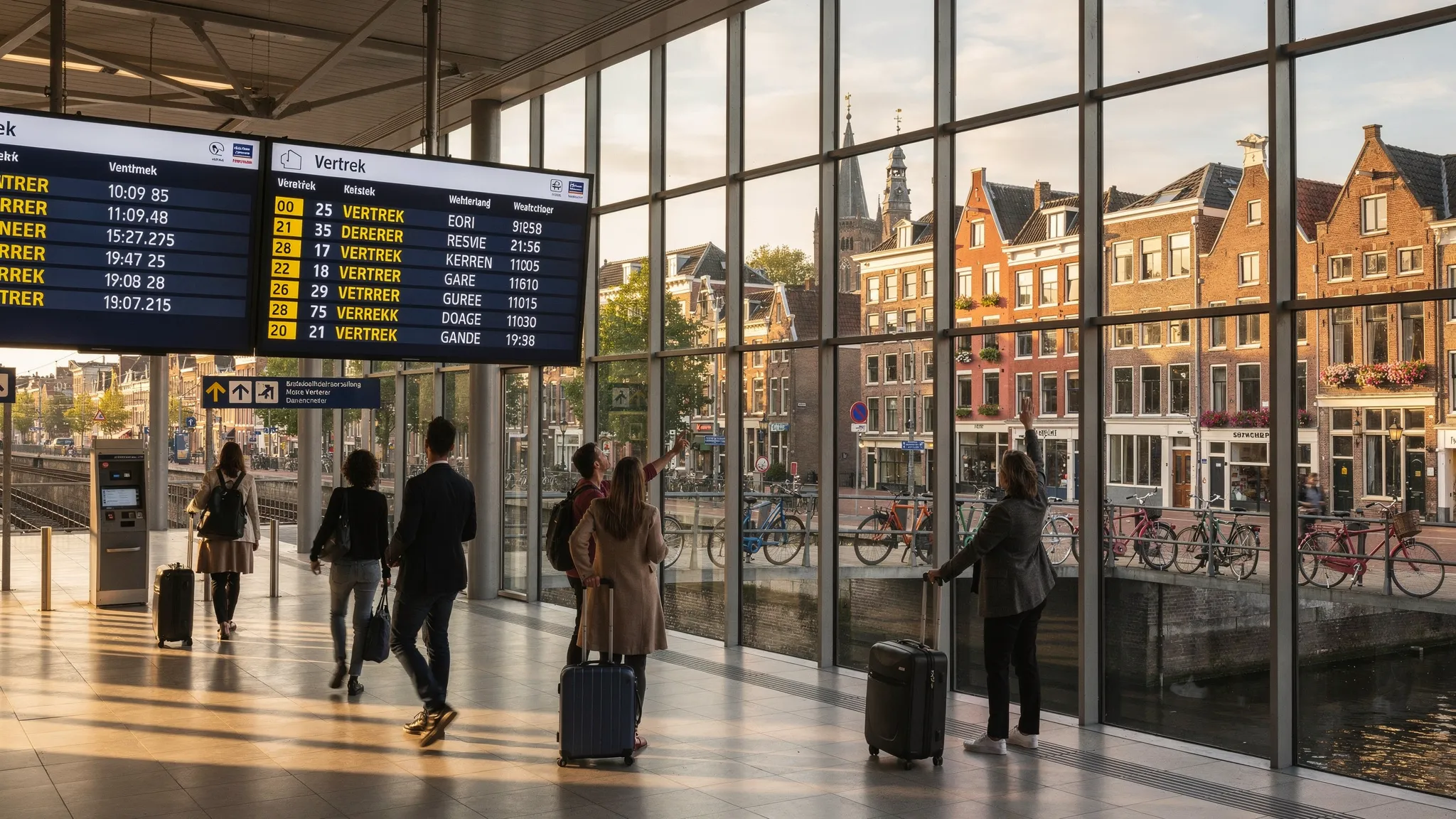
The first sound most travelers hear in the Netherlands is not a canal boat or a bicycle bell. It is the low, efficient chime of a train announcement.
You land, you follow the blue signs, and suddenly the country seems to unfold below the airport in steel rails. Amsterdam is close, of course. But so are Haarlem, Leiden, Utrecht, Rotterdam, Delft, and The Hague. This is where the real question begins: when searching for hotels in Netherlands, should you sleep where the postcards point, or where the trains make the most sense?
The answer depends on the trip you want. A canal-view morning in Amsterdam feels different from a quiet wharf-side dinner in Utrecht. Rotterdam gives you glass towers, harbor wind, and bold architecture. The Hague lets a business day end with sea air. Haarlem, Leiden, and Delft offer the quieter pleasures of brick lanes, church bells, market squares, and hotels that often feel better positioned for value.
This guide takes a rail-and-canal view of the country. Think of it as a journey through bases, not just beds: where to stay, what each city feels like, and how to match your hotel search to canals, trains, and value.
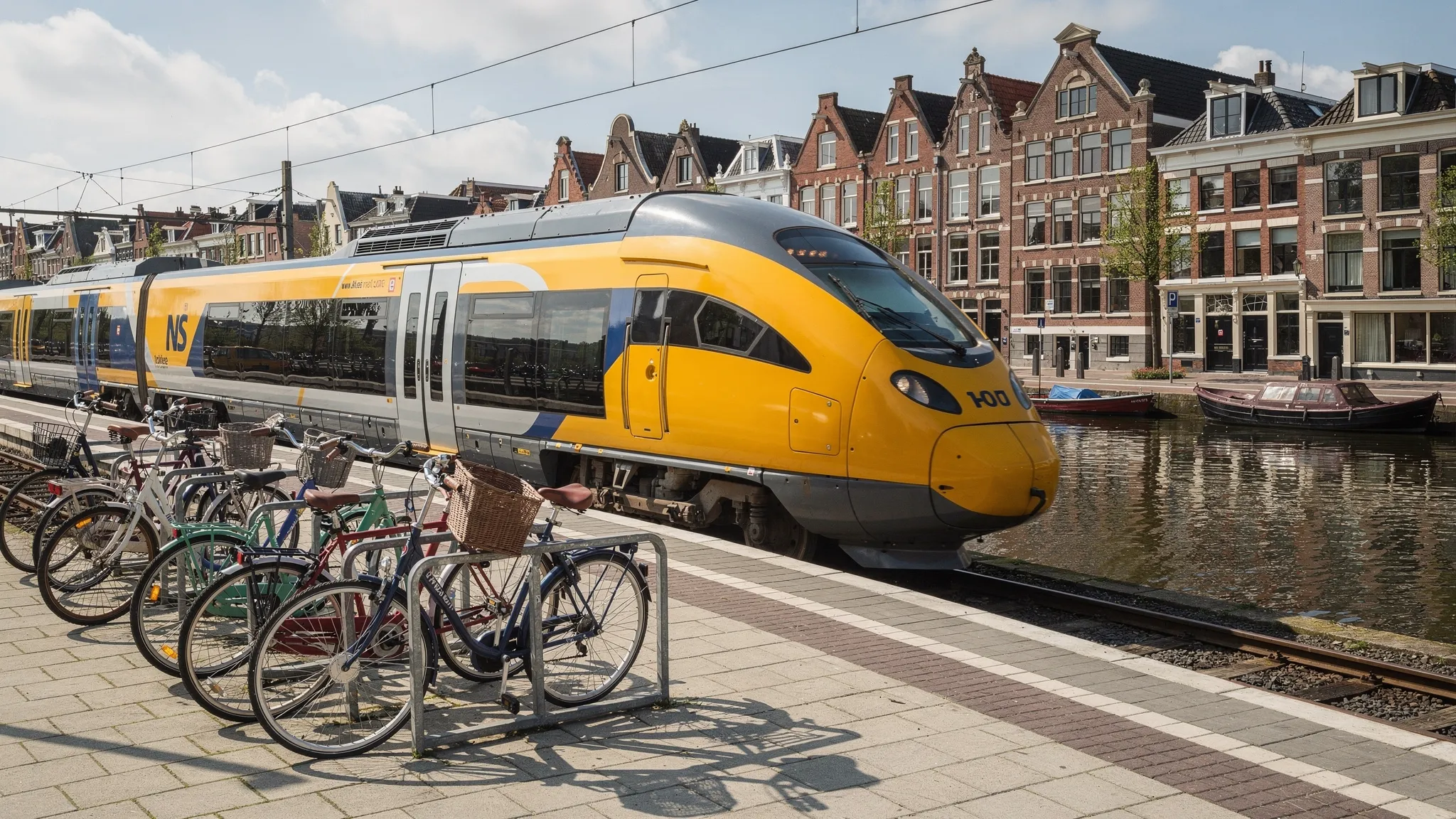
The Netherlands is compact, but it is not one-note. Many visitors default to Amsterdam for every night, then spend their days fighting the same crowds they hoped to escape. A smarter approach is to choose a city that fits your rhythm, then use the rail network to move outward.
If you want museums, nightlife, and the full canal-ring experience, Amsterdam is still unmatched. If you want canals with a calmer pace, Utrecht and Leiden are deeply rewarding. If you want value, space, and design, Rotterdam often surprises travelers who only know it by name. If you want business efficiency with a softer evening, The Hague works beautifully, especially when the beach enters the plan.
Here is the broad map before we step into each city.
| City | Best for | Canal atmosphere | Train convenience | Value profile |
|---|---|---|---|---|
| Amsterdam | First-time visitors, museums, nightlife | Iconic and busy | Excellent national and airport links | Usually the most premium, especially central |
| Utrecht | Central rail base, intimate canals, relaxed evenings | Distinctive wharf-level canals | One of the strongest rail hubs | Often balanced for comfort and access |
| Rotterdam | Architecture, business trips, food, design hotels | Less canal romance, more river and harbor energy | Excellent links to major cities | Often strong room-for-money outside major events |
| The Hague | Government, business, museums, beach access | Elegant streets and nearby seaside | Strong links via rail and tram | Varies by business demand and coastal season |
| Haarlem | Amsterdam access with calmer nights | Classic Dutch canals and lanes | Easy connection to Amsterdam | A smart alternative for many travelers |
| Leiden | University town, romantic canals, quiet culture | Beautiful and less crowded | Convenient for Schiphol, The Hague, Amsterdam | Good for slower, atmospheric stays |
| Delft | Heritage, ceramics, compact old town | Small-scale and photogenic | Easy via Rotterdam and The Hague | Best for relaxed weekends and culture-focused trips |
Amsterdam is not subtle. It arrives in reflections: leaning gables trembling in dark water, golden lamps in tall windows, tram bells sliding through mist, the sweet smell of stroopwafels drifting from a market stall. Even after repeat visits, the city has a way of making the ordinary feel staged. A bicycle leans against a bridge and looks like it has been waiting there since the 17th century.
For many travelers, one night near the canal ring is worth the premium. You wake early, before the tour groups gather, and the city belongs to delivery bikes, dog walkers, and the soft slap of water against stone. Stay near the Jordaan for intimate streets and cafes, near Museumplein for art and green space, or near Amsterdam Centraal if you are moving quickly by train.
If the canal ring is your first priority, start by comparing hotels in Amsterdam. For a more specific historic-canal search, you can also look up Ambassade Hotel Amsterdam, a name many travelers associate with classic canal-house atmosphere.
Amsterdam works best when you give it structure. Book central if your stay is short and your time is more valuable than the savings. Choose a slightly outer neighborhood, such as De Pijp, Oost, or Amsterdam Noord, if you want food, local life, and easier breathing room. The city has spent recent years encouraging visitors to explore beyond the tightest tourist core, and that shift can make your hotel choice feel more modern, less crowded, and more personal.
The value caution is simple: Amsterdam is usually not the cheapest answer to the Netherlands. It is the most famous answer. If your trip is built around Rijksmuseum mornings, canal cruises, and late dinners, stay here. If Amsterdam is only one day of a wider Dutch trip, the railway map gives you other options.
Utrecht has a different kind of water. Its canals sit lower, with old wharf cellars tucked beneath street level. In the evening, restaurant lights glow close to the surface, and voices rise from terraces below the bridges. You do not just look at the canal here. You descend into it.
Arriving at Utrecht Centraal can feel almost too practical at first. The station is large, busy, and deeply connected. But walk a little farther and the city softens quickly. The Dom Tower appears between rooftops. Narrow streets bend around boutiques and bakeries. Students fill cafe tables. Church bells make the city feel older than your itinerary.
For travelers who want canals without Amsterdam's intensity, Utrecht is one of the best cities to consider. It is also a strong base if your trip involves multiple Dutch cities, because many train routes seem to pass through it at some point. You can have breakfast by a quiet canal, visit another city by midday, and return for dinner without feeling like you planned a military operation.
To compare central options, search hotels in Utrecht. If you are drawn to historic settings, you may also want to explore Grand Hotel Karel V Utrecht, a well-known name connected with the city's layered past.
Utrecht's value is not only about nightly rate. It is about how much calm, beauty, and train access you get in one place. For couples, solo travelers, and anyone who wants a more local-feeling Netherlands trip, it can be the city that quietly wins the week.
Rotterdam does not lean into nostalgia. It looks forward, sometimes literally upward. After the devastation of World War II, the city rebuilt itself with a restless architectural spirit. Today, its skyline rises in angles, bridges, market halls, converted warehouses, and towers that catch the changing harbor light.
This makes Rotterdam one of the most interesting hotel cities in the Netherlands. It is less about lace curtains and more about wide windows, river views, design-forward lobbies, business travelers with rolling luggage, and weekend visitors who came for food, museums, and nightlife. The air smells faintly of rain, coffee, and the port.
Rotterdam is especially useful for travelers who want a roomier, more contemporary base. It has fast rail connections, strong business infrastructure, and neighborhoods that feel distinct from one another. Around the Markthal and Cube Houses, you get bold urban energy. Around the Witte de Withstraat area, the evening scene is lively and creative. Across the Erasmus Bridge, the Kop van Zuid district brings water, skyline drama, and a sense of arrival.
For a broad search, compare hotels in Rotterdam. Travelers interested in the city's maritime memory can search Hotel New York Rotterdam, while those drawn to modern skyline stays may want to look up nhow Rotterdam.
Rotterdam's value depends on timing. Major events and business weeks can shift demand, but compared with central Amsterdam, the city often gives travelers a strong sense of space and style for the money. It is also a smart choice if your Netherlands trip includes The Hague, Delft, or even Belgium later by train.
The Hague feels composed. It has broad avenues, embassies, courts, museums, polished hotel entrances, and a quieter confidence than Amsterdam. Yet the city has a surprise built into its geography: after meetings, museums, or shopping streets, you can follow the tram toward Scheveningen and end your day with wind in your hair and sand under your shoes.
This makes The Hague a practical and emotional choice. Business travelers appreciate its institutional importance and transport links. Leisure travelers discover that it offers a gentler urban pace, strong culture, and access to the North Sea. In the right weather, dinner near the beach can feel like a vacation inside a vacation.
If your trip includes government offices, international organizations, museums, or seaside time, compare hotels in The Hague. For a classic historic-luxury reference point, you can search Hotel Des Indes The Hague.
The Hague is not always the cheapest option, especially during major business periods, but it can be high-value because it combines functions. You can work, visit museums, dine well, and reach the coast without changing cities. For travelers mixing business and leisure, that convenience matters.
Some Dutch cities do not announce themselves. They wait for you to slow down.
Haarlem is one of the best examples. It sits close to Amsterdam, but its evenings feel more local. The streets around the Grote Markt glow warmly after dark, with cafes spilling conversation into cobbled lanes. Canals cut through the city with a softer rhythm, and the proximity to both Amsterdam and the coast makes Haarlem a strong base for travelers who want access without constant intensity.
For an Amsterdam-adjacent stay, search hotels in Haarlem. It is especially appealing if you want to visit Amsterdam during the day, then sleep somewhere calmer at night.
Leiden is more scholarly, more poetic. It is a university city of courtyards, bookshops, small bridges, and water that seems to appear whenever you turn a corner. The city has historic depth without feeling like a museum display. It is well placed for Schiphol, Amsterdam, The Hague, and the tulip fields in season, which makes it a quietly strategic base.
For a canal-rich stay with an academic soul, compare hotels in Leiden. Leiden is a good choice for travelers who care less about nightlife and more about atmosphere, walkability, and easy day trips.
Delft feels like a painting after the crowd has left the gallery. Blue-and-white ceramics in shop windows, narrow canals, brick facades, church towers, and small restaurants make it one of the most rewarding compact city stays in the country. It is close to both Rotterdam and The Hague, which means you can enjoy a historic base while keeping bigger-city access nearby.
For a slower cultural weekend, search hotels in Delft. It suits travelers who want beauty at walking pace, with no pressure to see everything by noon.
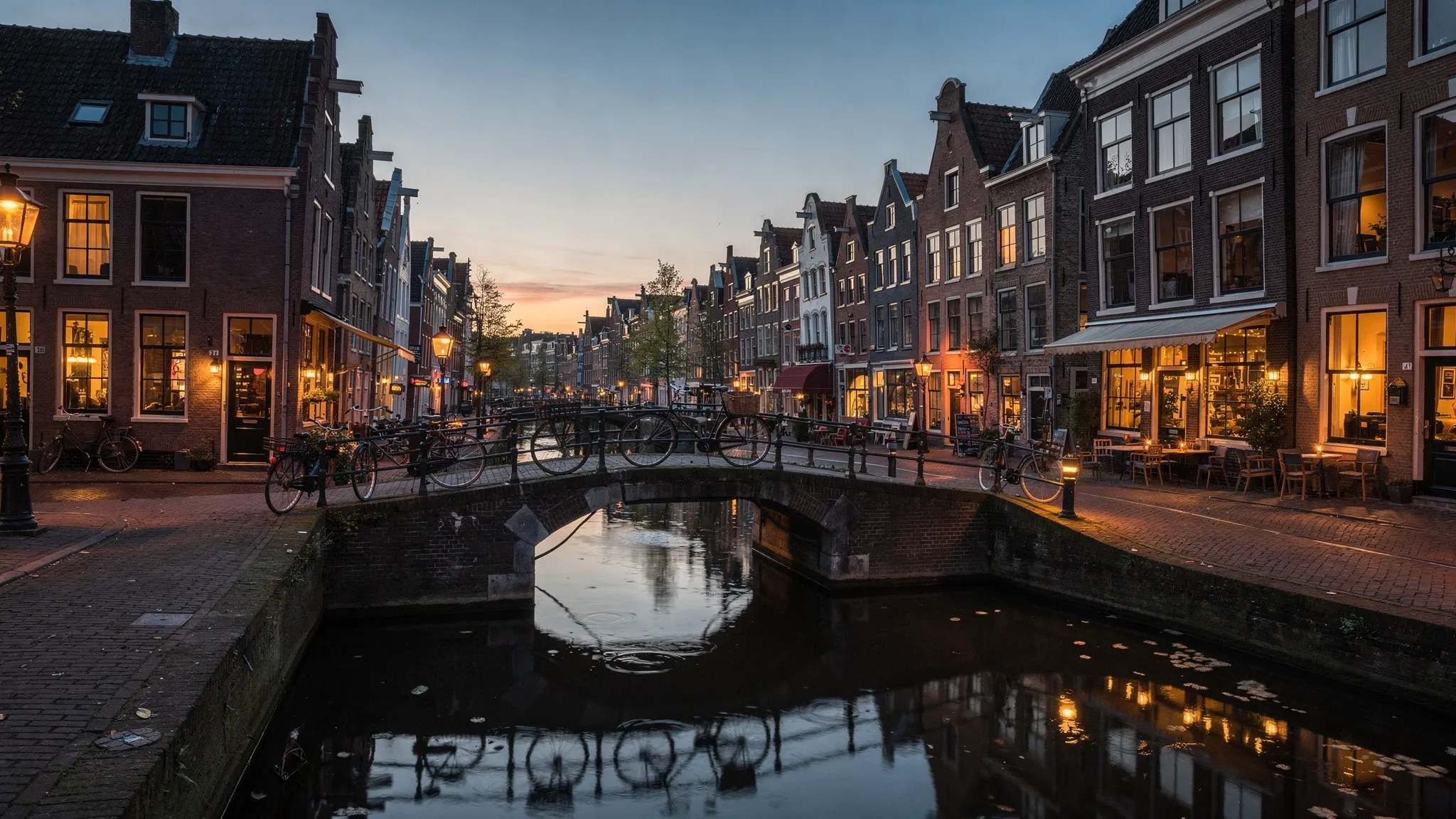
Value in the Netherlands is not just the lowest displayed price. It is the relationship between location, time, comfort, cancellation terms, and transport. A cheaper room far from the station may cost you more in taxis, time, and patience. A more expensive room beside the right rail link may save the whole trip.
Here is a practical way to think about it.
| Travel priority | Best city choices | Why it works |
|---|---|---|
| Classic canals and first-time sightseeing | Amsterdam, Utrecht, Leiden | Strong atmosphere, walkable centers, memorable streets |
| Best rail base for multiple day trips | Utrecht, Amsterdam, Rotterdam | Excellent connections across the country |
| Better value near Amsterdam | Haarlem, Leiden, Utrecht | Easy access with calmer evenings and often more balanced stays |
| Business travel | The Hague, Rotterdam, Amsterdam Zuid, Utrecht | Strong transport, meeting access, efficient hotel zones |
| Design and modern city energy | Rotterdam | Architecture, riverfront districts, contemporary hotel scene |
| Romantic slower weekend | Delft, Leiden, Utrecht | Compact old towns, canals, restaurants, low-stress walking |
| Beach plus city | The Hague | Urban culture with tram access to Scheveningen |
The strongest value strategy is often to split your stay. Spend one or two nights in Amsterdam if the canal ring is essential, then move to Utrecht, Rotterdam, Haarlem, Leiden, or Delft for a different pace. The train distances are short enough that changing bases can feel like adding texture, not hassle.
This is one of the most important choices when booking hotels in Netherlands. A station hotel gives you speed. An old-town hotel gives you mood.
If you are arriving late, leaving early, traveling with luggage, or visiting several cities, staying near the station can be the most comfortable decision. Dutch stations are usually well connected to trams, buses, taxis, and bike rentals. In cities like Utrecht and Rotterdam, a station-area stay can keep the entire country within reach.
If your trip is slower and more atmospheric, choose the old town or canal district. This is especially true in Amsterdam, Leiden, Delft, and Utrecht, where the pleasure of the city begins the moment you step outside. You pay not just for a room, but for the first ten minutes of every morning.
The ideal compromise is a hotel within walking distance of both: close enough to the station that arrival is easy, but deep enough into the city that you hear cafe chairs rather than platform announcements.
Travelers in 2026 are booking with sharper priorities. They want transparent pricing, flexible terms where available, faster mobile reservations, and locations that reduce friction. In the Netherlands, that mindset pays off quickly.
Spring can be busy because of tulip season, school holidays, and Amsterdam demand. Late April is especially popular around national celebrations. Summer weekends bring leisure travelers, while business cities like Rotterdam and The Hague can see weekday demand tied to conferences and events. If your dates are fixed, book earlier. If your dates are flexible, compare nearby cities before committing.
A few rules help:
The last point matters. A hotel that looks cheaper at first glance may not be cheaper once taxes, fees, breakfast, transport, or restrictive terms are considered. Clear booking conditions are part of real value.
If you want a trip that captures the country's variety without feeling rushed, try thinking in three bases.
Start with Amsterdam for the iconic beginning: canals, museums, a first evening walk along lit bridges. Then continue to Utrecht for a more intimate canal city and easy rail access. Finish in Rotterdam or The Hague, depending on whether you want architecture and food or culture and sea air.
For a quieter version, replace Amsterdam with Haarlem or Leiden, then add Delft for a final old-town stay. You will miss some of Amsterdam's spectacle, but you gain a more local rhythm and often a better sense of daily Dutch life.
The beauty of the Netherlands is that the distance between these moods is measured in train rides, not flights. You can wake beside a canal, cross the country after breakfast, and check in somewhere that feels entirely different by afternoon.
What is the best city to stay in the Netherlands for first-time visitors? Amsterdam is the classic first-time choice because of its canal ring, museums, nightlife, and direct transport links. If you want a calmer base with excellent rail access, Utrecht is a strong alternative.
Where can I find better-value hotels near Amsterdam? Haarlem, Leiden, and Utrecht are three of the best options to compare. They offer attractive historic centers, easy rail links, and a calmer atmosphere than central Amsterdam.
Is it easy to stay outside Amsterdam and visit for the day? Yes. The Dutch rail network makes day trips practical from cities like Haarlem, Utrecht, Leiden, Rotterdam, and The Hague. Always check your exact train times before booking, especially for early flights or late arrivals.
Which Dutch cities have the best canal atmosphere besides Amsterdam? Utrecht, Leiden, Delft, and Haarlem all offer beautiful canal settings. Utrecht is especially distinctive because of its lower wharf-level canals and waterside restaurants.
Should I book a hotel near the station or in the historic center? Choose a station-area hotel if you are making multiple day trips or carrying luggage. Choose a historic-center hotel if atmosphere, walking, restaurants, and evening charm matter more than fast departures.
The best Netherlands trip is not always the one with the most famous address. It is the one where your hotel makes each day easier: the station close enough, the canal beautiful enough, the price clear enough, and the neighborhood right for your pace.
With InnRox Travel, you can compare hotel options with transparent terms, upfront pricing, instant confirmation, secure payments, and flexible options such as free cancellation or pay-later deals where available. Start broad with hotels in Netherlands, then narrow your search by the city that fits your trip best.
Whether your perfect base is a canal-house stay in Amsterdam, a wharf-side evening in Utrecht, a design-forward night in Rotterdam, or a quiet old-town hotel in Delft, the Netherlands rewards travelers who choose with intention.
Tags