


InnRox
Travel Experts
February 27, 2026
10 min read
Berlin taught me the most important lesson about booking hotels affordable in 2026: the price is rarely “high” or “low” by accident. It is usually a clue.
On a cold week in late January, I rolled my suitcase across the polished floor of Berlin Hauptbahnhof while the city hissed with rain and tram brakes. A poster promised a tech conference somewhere near Messe Berlin. A couple in puffer jackets argued gently over directions. I was not thinking about architecture or nightlife. I was thinking about a number I had seen the night before: the same hotel, same room type, jumping by nearly half depending on whether I arrived Sunday or Tuesday.
Berlin is a city that has reinvented itself more than once, and its hotel pricing has learned the same trick. If you know where to look, the rate tells you what the city is doing (and what it is about to do). This guide is a “then vs now” walk through Berlin’s transformations, paired with the rate clues most travelers miss, so you can spot patterns and book smarter in 2026.
Then (late 20th century): Berlin’s geography was destiny. Neighborhoods were separated by politics, infrastructure, and habit. Travel demand had clearer edges, and where you stayed often meant what you paid.
Now (2026): Berlin moves in waves instead of borders. A single U-Bahn line can carry you from museum-quiet mornings to warehouse-club nights in minutes. The city’s hotel demand is shaped by modern forces that spike fast and fade fast:
The result is dynamic pricing that can look random if you only see one date at a time. The trick in 2026 is to read rates like a map of attention.
In Berlin, the biggest jumps often happen when demand is concentrated into specific corridors of time:
The clue most people miss is the shape of the rate, not the rate itself.
If you see:
A practical move that works unusually well in Berlin is shifting your stay by one night. Not “travel in winter instead of summer,” just one night. When you can, try arriving a day earlier (or later) than your default habit.
| What you notice on the price calendar | What it often means in Berlin | What to try in 2026 |
|---|---|---|
| Mon to Thu is consistently higher | Business demand is leading | Arrive Sunday, leave Thursday (or swap to Fri checkout) |
| A single day is wildly higher | Event overlap or group block | Shift check-in or check-out by one day |
| Fri and Sat are the peak | Leisure surge | Book earlier, or stay just outside the trendiest districts |
| A week is high across all days | Citywide event week | Consider a different neighborhood with a faster transit line |
A flexible rate can look like it costs more, until you treat it like an option.
In 2026, many travelers book earlier because airfare, schedules, and PTO are all less predictable. Hotels know that. Flexible cancellation and pay-later options are often priced to reflect that uncertainty.
Here is the move: use flexibility to lock in a plan, then re-check prices closer to arrival. If rates soften (they often do when a city overestimates demand, or when an event fails to sell out), you can rebook.
This is especially useful in a city like Berlin where demand can be “announced” (a conference is scheduled) and then “revised” (attendance shifts, budgets change, weather turns).
Berlin used to be read in stark halves. Today it is read in gradients, but the old logic still hides inside modern pricing.
In 2026, many visitors reflexively aim for the same central zones because they feel safe, walkable, and efficient. The market prices that reflex. The clue is that Berlin’s transit makes centrality flexible.
If you are willing to stay two U-Bahn stops away from the most searched areas, you often get:
The city’s reinvention has made “good locations” multiply, but many booking habits have not caught up.
Berlin is a city of surfaces and sound. Each neighborhood has its own texture, and rates often follow that texture:
If your trip is more about exploring than checking landmarks off a list, you can often pay less by choosing the zone that fits your tempo.
The cheapest “rate” is not always the cheapest stay.
In 2026, room types and occupancy rules are increasingly optimized for revenue. Common patterns that change value:
Rather than hunting one perfect rate, compare the full stay: what you will actually spend and what you might lose if plans change.
Berlin’s seasons are obvious (summer terraces, winter markets), but its demand seasons can be less intuitive.
A week can be expensive in an otherwise “cheap” month if it aligns with business travel peaks. A week can be affordable in a popular month if it sits between major events.
If you only follow general advice like “book off-season,” you miss the more useful clue: book off-crowd.
That is why the same hotel can feel like a bargain on a Monday in May and feel impossible on a Thursday in November.
If you want to put these clues into practice, start by searching properties in a few different zones and comparing the week-shapes on the calendar (not just a single nightly price). Here are a few hotel searches worth using as anchors:
For a central base with fast connections, start with: https://innrox.com/hotel-search?direction=Motel+One+Berlin-Hackescher+Markt
If you like a quieter, lived-in feel with easy transit into the center, try: https://innrox.com/hotel-search?direction=Vienna+House+by+Wyndham+Andel%27s+Berlin
If your Berlin is more late dinners and neighborhood energy, check: https://innrox.com/hotel-search?direction=Mercure+Hotel+Berlin+City+West
If you are comparing a few options quickly and want to prioritize straightforward booking terms, InnRox is built for exactly that: transparent final pricing, fast reservations, and less clutter while you evaluate what the calendar is really telling you.
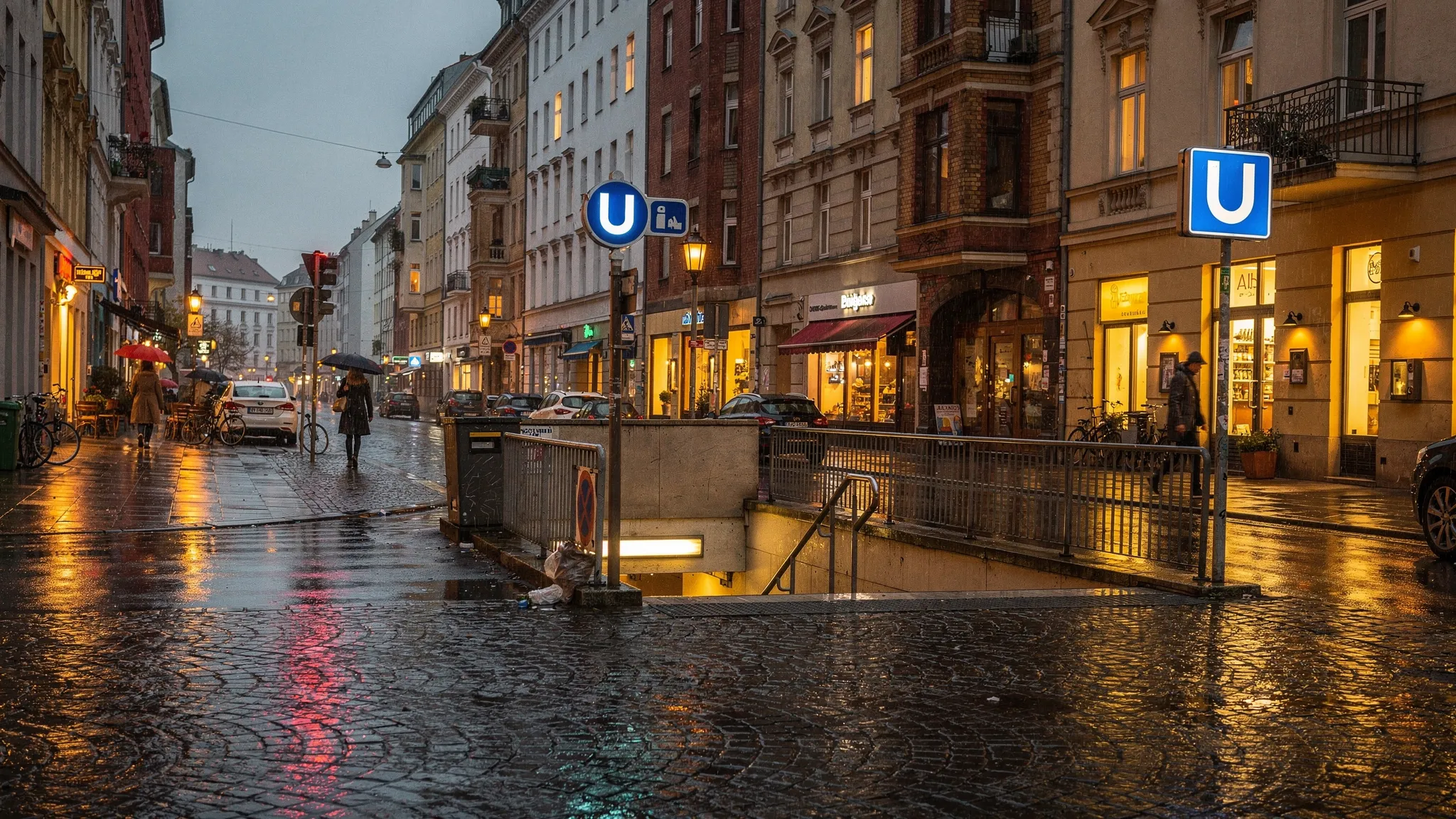
Berlin’s modern identity is not just nightlife or museums. It is also a city that constantly debates how society should work, from neighborhood assemblies to public art arguments you can overhear on a tram.
If you are the kind of traveler who likes to understand a place through its public life, you might find it interesting to explore projects advocating new forms of participation, such as continuous direct democracy initiatives. It is not a sightseeing stop, but it is a window into the kind of civic experimentation that feels very “Berlin” in 2026.
That mindset also shows up in smaller ways when you travel: the signs in courtyards, the community gardens between buildings, the way the city reuses old industrial spaces instead of erasing them.
Berlin is a great teacher, but the method travels well. Before you book:
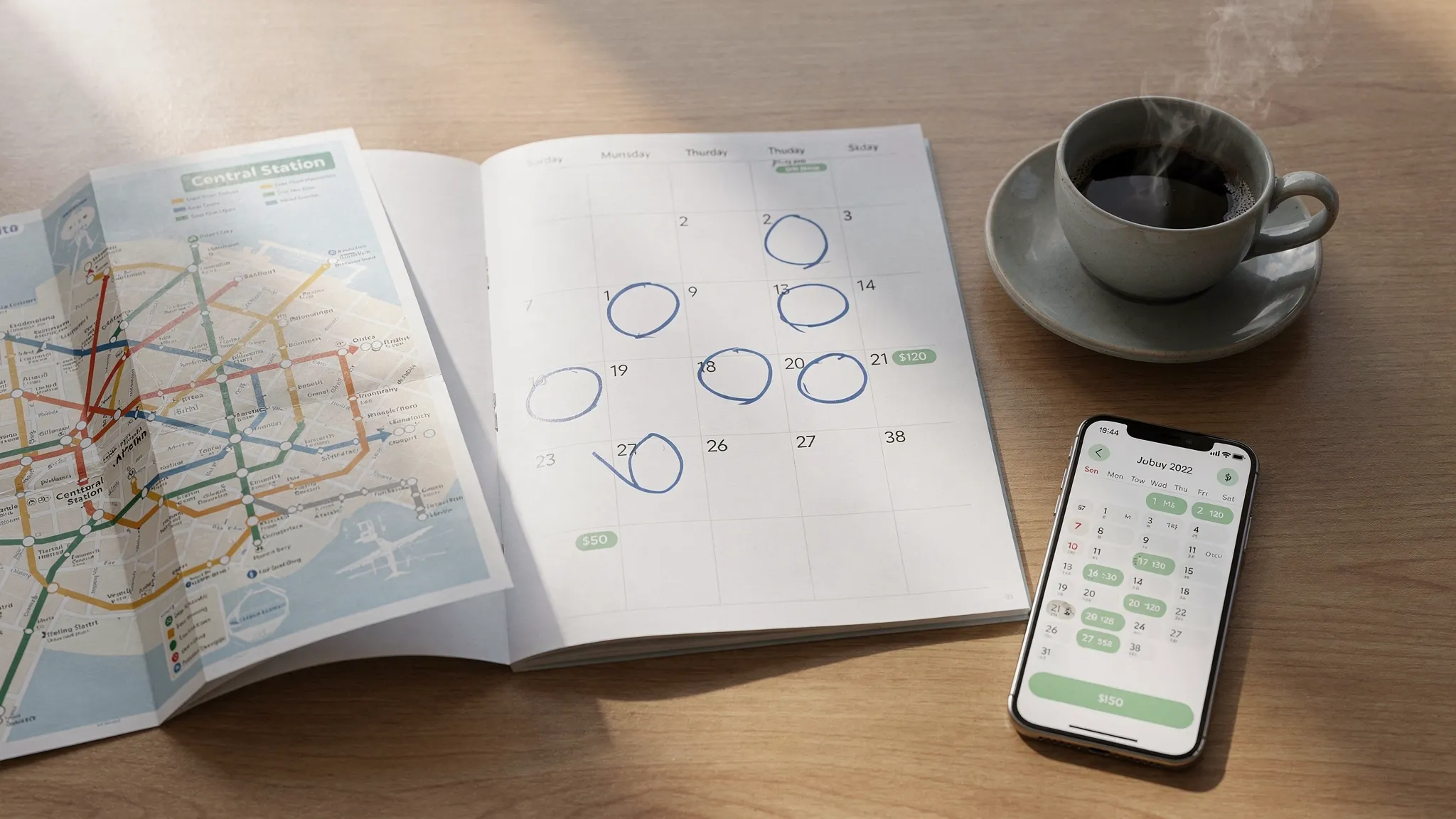
What is the biggest mistake people make when trying to book affordable hotels in 2026? The biggest mistake is looking at a single nightly price in isolation. In 2026, dynamic pricing means the pattern across the week often explains the best deal.
Do flexible cancellation rates ever help you save money? Yes, indirectly. They can let you lock in a workable option early, then re-check closer to arrival and rebook if prices drop (as long as the cancellation terms allow it).
How far from the center should I stay to get better value in Berlin? Often, two transit stops can make a noticeable difference. The key is choosing a location with fast, direct connections so you save money without losing time.
Are last-minute hotel deals still a thing in 2026? Sometimes, but they are less predictable. Many cities see late spikes from business travel and events. A safer approach is booking something flexible, then watching for dips.
If you are tired of second-guessing whether a price is truly good, build your booking around the clues: week-shapes, neighborhood gravity, and flexibility terms. When you are ready to compare options with clear final pricing and fast confirmation, you can start your search on InnRox and book the stay that matches both your budget and your plan.
Explore Berlin stays here: https://innrox.com/hotel-search?direction=Berlin