

InnRox
Travel Experts
February 12, 2026
11 min read
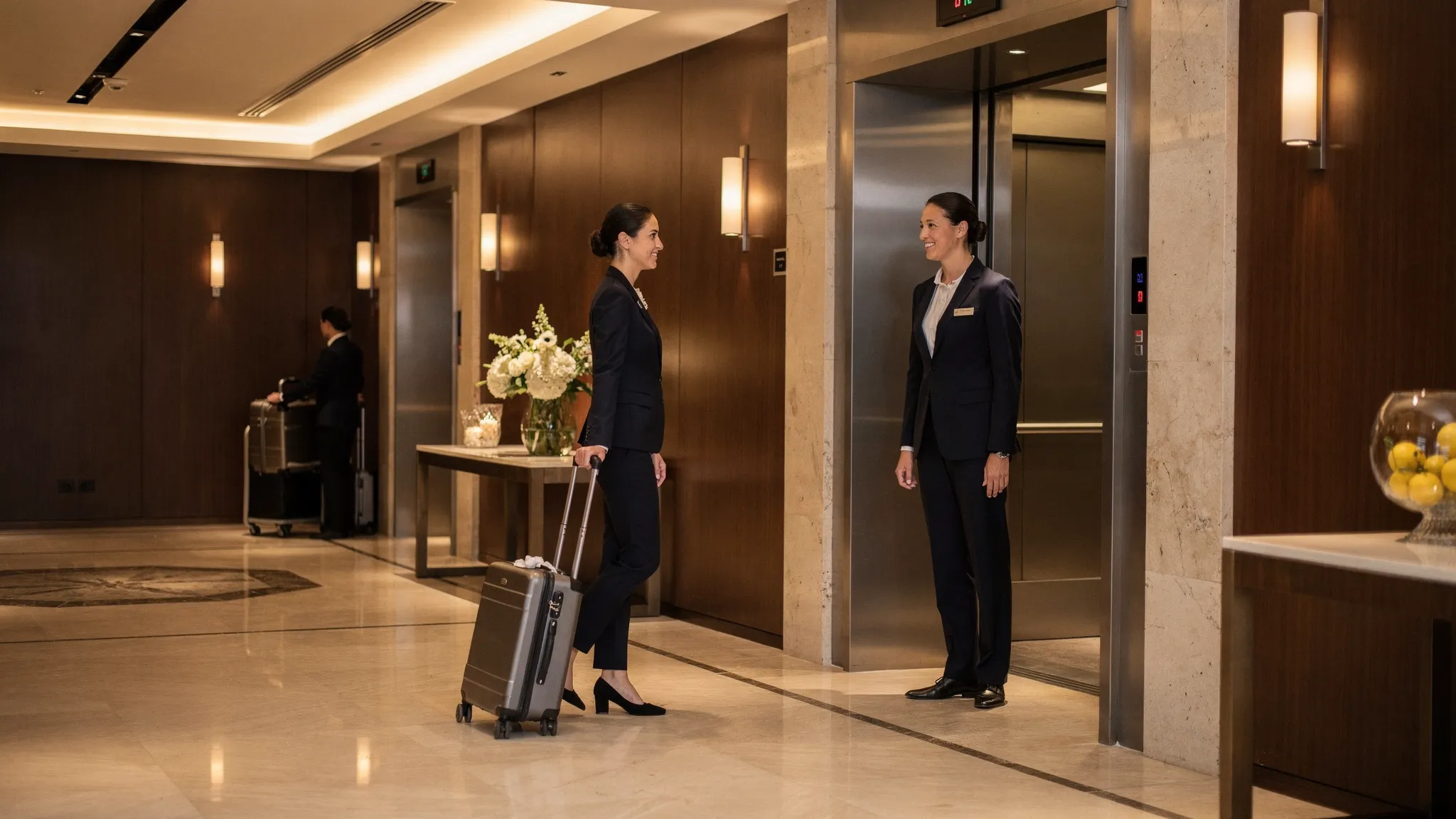
The elevator doors open in near silence, and the first thing you notice is not the view. It’s the temperature (cool, steady, exact), the faint scent of polished wood and citrus peel, and the way the staff member waiting by the corridor seems to already know whether you’re the kind of guest who wants a full tour or just a key and a quiet nod.
This is the real promise behind fine hotels and resorts. The room can be spectacular, of course. But the lasting difference is the choreography that surrounds it, the service philosophy that turns travel friction into something you barely feel.
In 2026, when many trips are stitched together with tight connections, last-minute meetings, and ever-shifting plans, “beyond the room” is not a luxury add-on. It’s the part that makes the stay work.
A great room is measurable: square footage, thread count, a shower that doesn’t punish you for touching the handle.
What’s harder to price is everything that happens around the room. Fine properties invest in systems and people that anticipate needs before they become problems: how luggage moves without you watching it, how a restaurant remembers preferences without feeling creepy, how the front desk can solve an airline-induced mess without sending you into a lobby line.
Over the last couple of years, the travel world has even started codifying hotel excellence in more public ways, including the MICHELIN Guide’s newer hotel distinctions, which aim to recognize stays for experience and service, not just amenities (MICHELIN Key overview).
And yet the best explanation is still experiential: you feel fine service in the moments where other hotels usually fail.
So let’s follow a stay from arrival to checkout, through three very different destinations, and map the benefits that actually matter.
Below is a practical way to think about “beyond the room.” It’s not a checklist of luxuries, it’s a timeline of friction points.
| Moment of the stay | What typically goes wrong elsewhere | What fine hotels and resorts do differently | What to look for when booking |
|---|---|---|---|
| Pre-arrival | You repeat requests, policies feel unclear | Preferences noted, policies explained plainly | Clear cancellation terms, direct contact options |
| Arrival | Lines, confusion, upsell pressure | Fast welcome, calm orientation, luggage handled | Smooth check-in, realistic arrival times |
| First hour | Room surprises, tech issues, noise | Quick fixes, proactive room moves if needed | Soundproofing notes, room type clarity |
| Evening | No rhythm, dining is stressful | Reservations handled, turndown sets mood | On-site dining quality, concierge support |
| Sleep | Light leaks, heat swings | Thoughtful lighting, stable climate, quiet floors | Reviews mentioning sleep quality |
| Checkout | Billing confusion, delays | Transparent folios, flexible timing when possible | “Final price upfront” and clear tax/fee display |
The rest of this article is those moments, made tangible.
Chicago has a particular sound in the morning: the L trains clattering above streets that still smell like yesterday’s rain, the river pushing slow and steel-colored between towers. If your trip is business-first, the city can feel like a sequence of tasks, badge scans, elevator rides, and time zones.
A fine hotel changes that rhythm.
Here, “service philosophy” looks like speed without brusqueness. It’s a doorman who clocks your luggage and your tempo in the same glance. It’s a front desk that asks one clarifying question, not five. It’s a lobby that doesn’t punish you for arriving early and needing to work, with seating that’s actually designed for laptops, meetings, and a moment of stillness.
Most importantly for short-notice work trips, it’s competence under pressure: a quiet repair when the room’s charging ports don’t cooperate, a last-minute pressing service that doesn’t act like you’re inconveniencing them, and staff who treat your schedule like it matters.
If you want to compare dates for a riverfront, business-friendly stay, you can start with The Langham in Chicago here:
The neighborhood context matters, too. Step outside and the Riverwalk gives you a built-in decompression ritual between meetings, especially at dusk when the city’s glass starts catching pink light. It’s a rare business destination where “take a walk” is not a wellness cliché, it’s genuinely restorative.
And this is the point: fine hotels and resorts don’t just house you, they pace you.
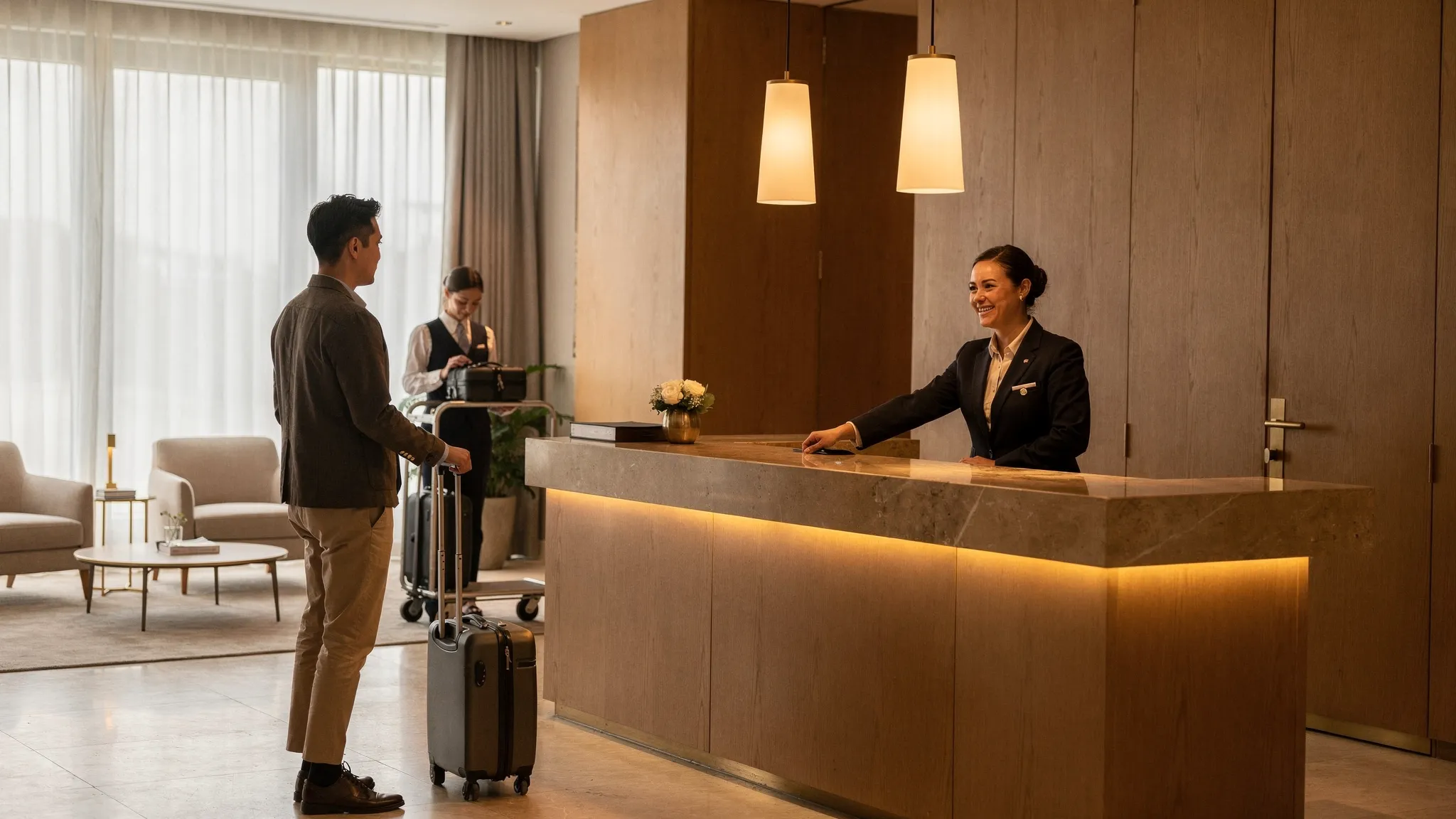
The polished ease of a great stay is rarely accidental. Luxury service is learned behavior: how to apologize without making excuses, how to offer options without sounding scripted, how to solve a problem without escalating your stress.
A growing number of service teams, not only in hospitality, are sharpening those skills with simulation-based practice, including tools like AI roleplay training with Scenario IQ, which can help staff build confidence handling real-world scenarios and objections under pressure.
For travelers, you don’t need to know what a hotel uses internally. You just notice the outcome: fewer repeated questions, faster resolutions, and a sense that someone is actually steering the ship.
When you’re choosing a fine property, read between the lines in reviews. Look for phrases like “handled it immediately,” “made it right,” and “felt taken care of,” not only “beautiful room.”
Marrakech is a city that overwhelms on purpose. You move from sun-bleached streets into the Medina’s narrow corridors, and suddenly the air changes. There’s smoke from grilling lamb, the sharp sweetness of orange blossom, and the constant percussion of footsteps, motorbikes, and bargaining.
A fine resort or riad here isn’t valuable because it shields you from the city. It’s valuable because it gives you a soft landing inside it.
Service philosophy in Marrakech often shows up as hospitality with artistry. Not performative, not fussy, just deeply attentive. Mint tea arrives without the awkward “Is this complimentary?” moment. Directions come with landmarks, not vague gestures. And the best staff understand that guests want the city, but not the confusion: they’ll time a car to avoid the worst traffic chokepoints, suggest a calmer entrance to the souks, and tell you when to visit Jardin Majorelle before the lines swell.
If your idea of fine travel includes traditional craftsmanship and a true sense of place, you can check options like Royal Mansour Marrakech here:
Outside the hotel gates, the city’s luxury isn’t only in marble and chandeliers. It’s in small, human details: a leather workshop where the scent is so rich it feels tangible, a spice stall where cumin and saffron sit in bright cones like pigments, and a rooftop at sunset where the call to prayer drifts above the chaos and briefly organizes the air.
Fine hotels and resorts in Marrakech earn their keep by helping you access those moments without turning them into exhausting projects.
No two properties deliver luxury in the same way, and perks depend on room type, rate rules, and the hotel’s current policies. Still, you can improve the odds of a truly “fine” stay by focusing on a few practical levers.
The least glamorous benefit is also the most important: transparent terms. Fine experiences are fragile, and nothing cracks them faster than checkout sticker shock.
When you book, prioritize:
A final price shown upfront (including the fees that often hide until late in the process)
Clear cancellation language (especially for short-notice trips)
Confirmation that feels immediate, not “pending”
This is where a booking flow matters as much as a hotel. A fast reservation with straightforward terms protects the experience before you even arrive.
In fine hotels and resorts, the best rooms are not only “better,” they’re better immediately. Things work. The lighting makes sense. The bathroom has space for your actual routine.
If you’re sensitive to sleep, ask (or filter) for:
A higher floor or a quieter wing
A room away from elevators
Blackout capability (real blackout, not decorative curtains)
Even the best properties have off moments, especially during busy travel weeks. The differentiator is recovery: speed, authority, and tone.
Watch for signals that the hotel empowers staff to fix issues without endless escalation. It’s the difference between “We’ll see what we can do” and “Here are two solutions, which do you prefer?”
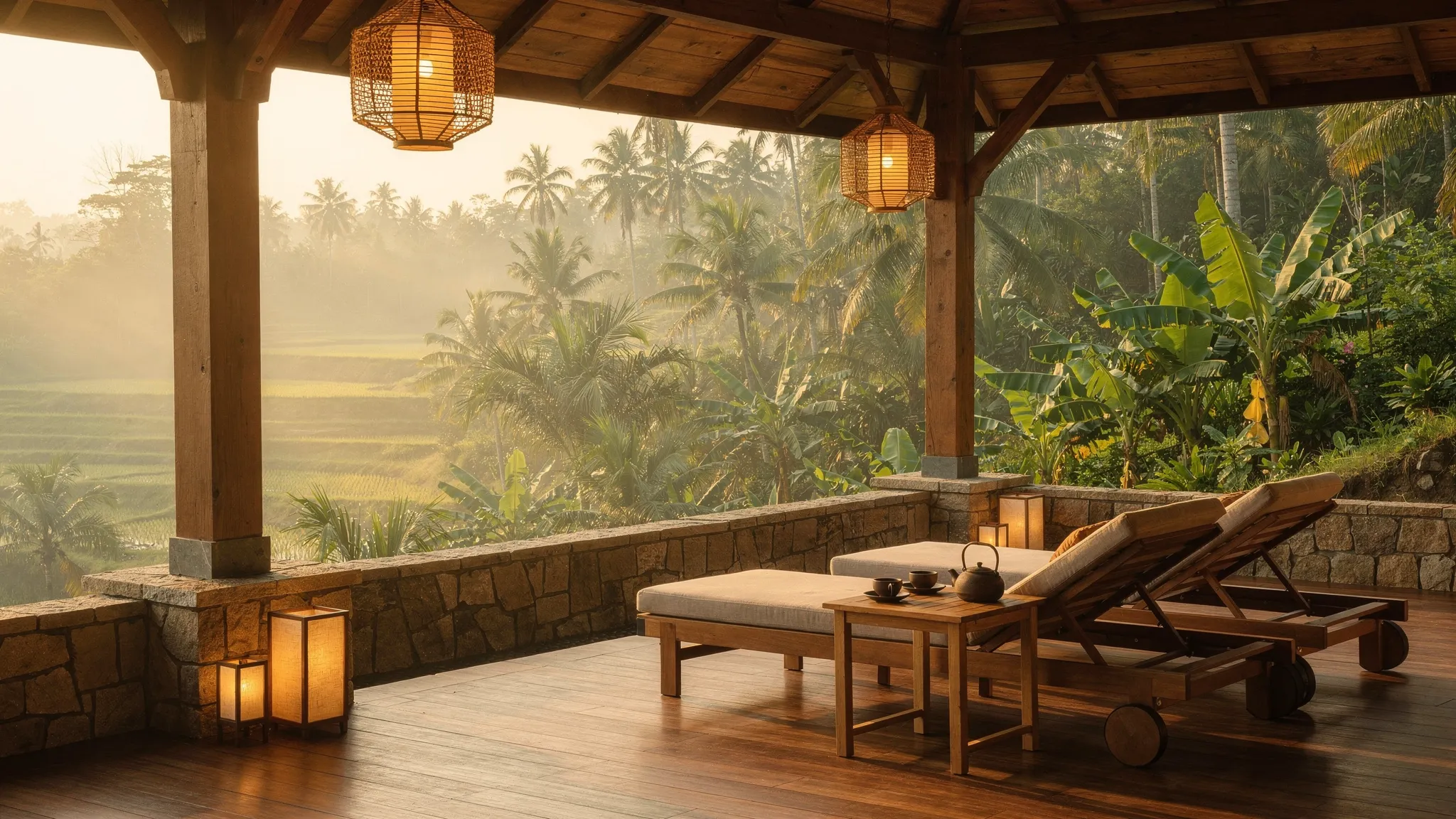
Arriving in Ubud can feel like stepping into green. Not a single shade, but layers: banana leaves with glossy highlights, rice terraces that look hand-drawn, palms moving like slow metronomes. The air is wet with life, and at night it carries a chorus of insects that sounds almost electrical.
In a nature-forward resort, “beyond the room” is often a philosophy of time. Time to wake up without alarms. Time to eat breakfast slowly because it’s not a buffet battle. Time to take a walk and return to a space that already feels reset.
The finest resorts here tend to excel at quiet structure: experiences that are easy to join but never pushy, wellness that feels integrated rather than trendy, and staff who can guide you toward local culture without turning it into a staged performance.
If you’re planning a jungle-side escape, you can browse availability for Capella Ubud here:
Ubud’s surrounding area rewards unhurried exploration. Early mornings belong to temple offerings and scooters. Midday is for shade, galleries, and small cafés where you can smell fresh coffee over the humidity. At sunset, the landscape goes soft and the resort becomes less a destination and more a refuge.
This is the often-missed truth about fine hotels and resorts: the luxury is not only what they provide, it’s what they remove.
Luxury travel has a reputation for being complicated, but it doesn’t have to be. The goal is to pay for what improves your actual trip, not what looks impressive in marketing photos.
When you’re scanning options, compare these elements first:
Policies that match your reality: If your plans change often, flexible cancellation and pay-later options (when available) can matter more than an extra 50 square feet.
Arrival convenience: Airport distance, transfers, and check-in flow. A long-haul arrival is not the moment you want logistical friction.
Dining that reduces decision fatigue: A strong on-site breakfast and one reliable dinner option can improve the whole stay.
Support you can reach: Clear policies and human help are underrated, especially on short-notice trips.
Even the best hotel can’t fix a messy reservation experience. If you’re hunting value, speed, and straightforward terms, it helps to book on a platform built to reduce clutter.
InnRox focuses on competitive rates, no hidden fees, instant confirmation, and a simpler booking flow, which fits the way people actually travel now: faster, more mobile, and often with less patience for fine print.
A fine hotel or resort is not defined by marble, labels, or how quietly a door closes, though all of that plays a part. It’s defined by how reliably the stay protects your time, your energy, and your mood.
If you remember the pillow, the shower, and the view, that’s great. But if you remember that you felt unhurried in Chicago, unlost in Marrakech, and genuinely restored in Ubud, you’ve understood what you get beyond the room.
And once you start booking with that lens, “fine” stops being vague. It becomes practical.