


InnRox
Travel Experts
March 14, 2026
9 min read
The first time I typed “Expedia packages” into my phone, I was standing in an airport queue that smelled like espresso and suitcase wheels, watching the departure board shuffle like a deck of cards. I had a conference in Singapore, a tight arrival window, and the kind of itinerary where one missed connection can turn a Monday presentation into a Wednesday apology.
Bundling felt like the responsible choice, one click, one receipt, one “you’re confirmed” email. But business travel has a way of exposing the fine print. A “deal” can be a bargain, or it can be a discount that quietly removes the only two things you actually need on the road: flexibility and sleep.
This is the practical truth about bundling: sometimes it wins on price, sometimes it wins on convenience, and sometimes it wins only because you were tired when you booked.
A bundle is a pricing strategy, not a promise. Airlines, hotels, and package sellers can discount one component because the total transaction gives them something valuable, fewer abandoned carts, fuller planes, steadier occupancy, and a customer less likely to comparison shop.
That is why Expedia packages (and bundled offers in general) can occasionally undercut booking separately, especially for high-demand dates when individual rates are sticky and inventory is tight.
The trick is knowing what kind of trip you’re taking. A leisure week has different risk than a two-night business sprint.
You’re in one of these situations:
You’re optimizing for control, perks, or precision:
Here’s a simple way to think about it before you hit “book.”
| Decision factor | Bundling often wins if… | Booking separately often wins if… |
|---|---|---|
| Price | You see a clear, immediate total discount | Hotel-only promos or flexible rates are strong |
| Flexibility | Your plans are stable | Your schedule could shift |
| Transparency | One checkout reduces friction | You want to scrutinize policies line by line |
| Trip complexity | One city, one hotel | Multiple stops or neighborhood hopping |
Now, take that framework and drop it into a real place where business travel is an ecosystem.
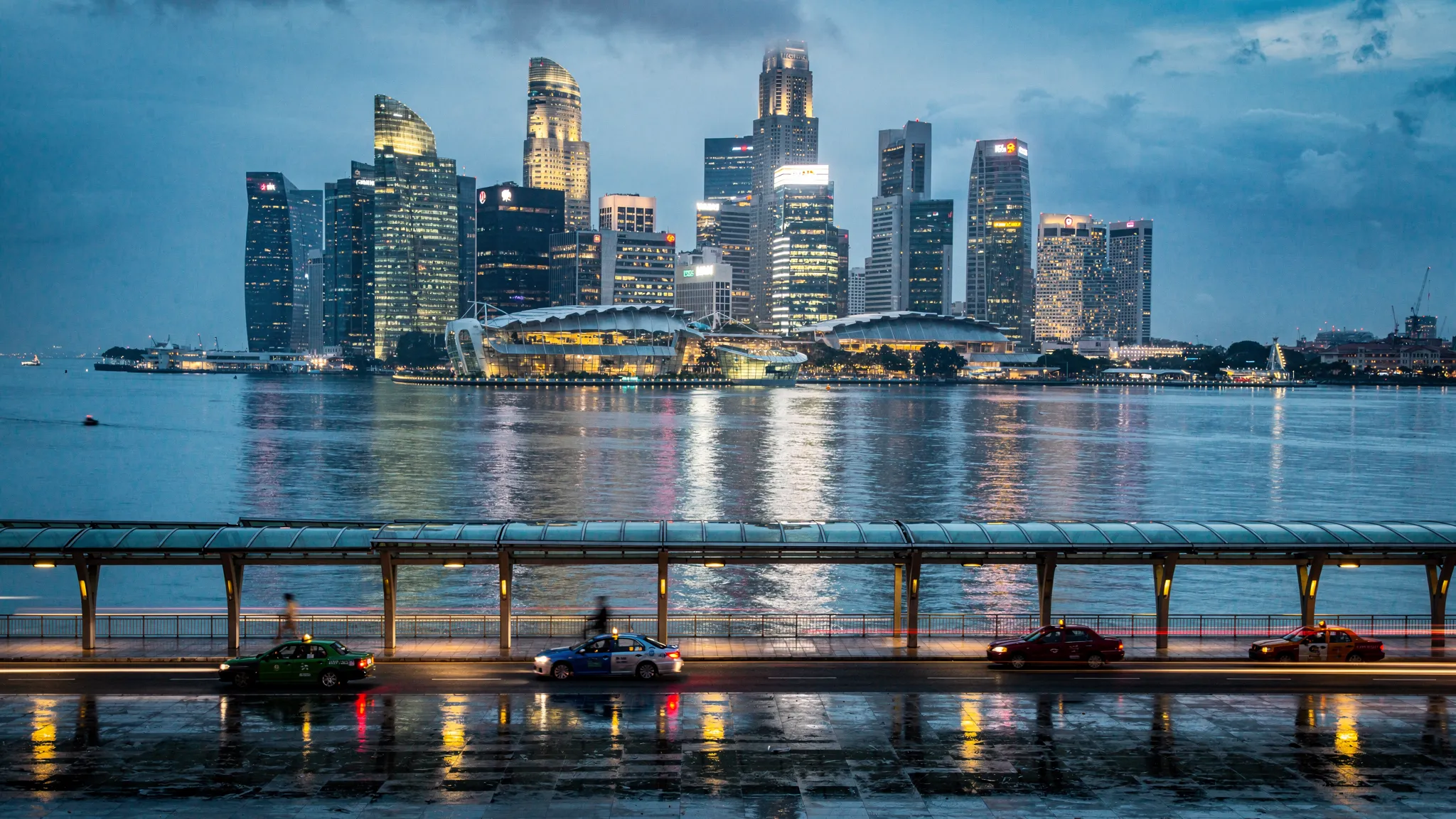
Singapore has a particular kind of energy on weekday mornings: polished, purposeful, and faintly scented with jasmine tea drifting out of cafés that open before you’ve fully adjusted to the humidity. The central districts feel engineered for momentum, smooth sidewalks, clean lines, and a rhythm built around meetings.
It’s also a city where location is not a minor preference. Staying ten minutes closer to the convention hall can mean arriving composed instead of damp, and finishing the day with enough time to walk somewhere beautiful rather than collapsing into the nearest chair.
That’s why the “bundle vs separate” decision matters here. Singapore’s transport is excellent, but business days are dense. If you can choose the right hotel with the right policies, you can buy yourself something more valuable than a small discount: predictability.
Changi arrivals are famously efficient, the kind of place that makes you trust your own schedule again. The air feels cooler than you expect, the signage is calm, and even the rush has order.
If your meetings cluster around City Hall, Marina Bay, or the civic district, a centrally placed classic business hotel is the quiet advantage that doesn’t show up on your receipt.
The best city hotels for business aren’t always the flashiest. They’re the ones that make the logistics invisible: a lobby that absorbs noise, elevators that arrive quickly, and a room layout that lets you open a laptop without balancing it on a duvet.
After a long flight, you notice materials more than marketing. You notice whether the room feels like it was designed for rest or just for photos. You notice the sound of the corridor at 11 p.m. You notice whether the desk light is flattering or interrogative.
Singapore’s better business-oriented properties tend to get these details right because the city attracts travelers who live by calendars. The value is not “luxury” in the dramatic sense. It’s service that respects time.
If your schedule is brutal, there’s a strong case for staying somewhere that restores you between meetings. In Singapore, certain properties treat greenery, light, and spatial calm as part of the service philosophy. Even a short walk through an airy atrium can feel like switching your brain out of “presentation mode.”
PARKROYAL COLLECTION Pickering, Singapore
Around this area, the evenings are made for decompression. Chinatown’s edges soften into bars and hawker stalls, and you can trade your conference badge for something more local: smoky char, bright citrus, the sound of metal spoons against porcelain bowls.
After a full day of meetings, Singapore doesn’t demand big plans. It rewards small ones.
Walk a few blocks and the city changes texture. In one direction, glass towers and finance-district quiet. In another, lantern-lit streets and the warm, savory perfume of late-night food. The best kind of business travel night is the one where you don’t have to think too hard, you just follow light and sound until you find a place where the menu is laminated and the tables are full.
That’s also when flexibility matters. If tomorrow’s first meeting moves across town, you might want the option to adjust without unraveling an entire bundled booking.
Not every business trip needs a skyline view. Sometimes you want a clean, efficient base that keeps your budget under control while still putting you within easy reach of MRT lines and quick meals.
In neighborhoods like Lavender and Bugis, the city feels more lived-in. You’ll see commuters, students, and small shops that don’t care about conference schedules. For a short-notice trip, this can be the sweet spot: practical, connected, and a reminder that Singapore isn’t only boardrooms and rooftop bars.
By the time checkout arrives, you’re not just thinking about your bill. You’re thinking about how smoothly the trip ran.
Bundled pricing can still be the right call, but only when you confirm that the convenience does not quietly remove your options. In business travel, the best deal is often the one that survives change.
A useful habit is to compare the total cost of a bundle against two separate bookings that match your real needs: same cancellation window, similar room type, comparable baggage rules, and realistic flight times.
If you want to get more systematic about spending across multiple trips, it helps to treat travel like any other category in your financial plan. The insights on the FIYR blog are a solid starting point for building a money system that doesn’t fall apart the moment you add flights, hotels, and expense reimbursements.
Once you start tracking travel spend with more clarity, you begin to see patterns: which cities punish last-minute booking, which room upgrades pay back in sleep, and how often a “non-refundable savings” turns into an expensive lesson.
And in places like Singapore, where efficiency is cultural, those patterns matter. The trip you can repeat without stress is usually the one you should optimize for.
Use this before committing to a bundle (or walking away from one):
Are travel bundles always cheaper than booking separately? Not always. Bundles can be cheaper when sellers discount one component to increase total conversion, but separate bookings often win when you prioritize flexible policies or specific room types.
What’s the biggest downside of bundling for business travel? Reduced flexibility. If meeting times change or flights shift, a bundle can be harder to modify without fees or rebooking friction.
How do I compare a bundle fairly? Compare the same conditions: cancellation rules, baggage allowances, room category, taxes and fees, and payment timing (pay now vs pay later).
When is booking a hotel separately the smarter move? When you need control, like choosing a precise neighborhood for meetings, keeping free cancellation, or selecting a room setup that supports work and sleep.
If the bundle price truly wins, take it. But when it doesn’t, or when flexibility is the real value, booking your hotel separately can give you cleaner terms and more control over location.
To compare Singapore stays quickly without extra clutter, you can start here:
https://innrox.com/hotel-search?direction=Singapore
InnRox focuses on straightforward hotel booking with competitive rates, transparent pricing, and fast confirmation, so you can make the decision that fits your trip instead of the decision that fits a bundle.