
Copyright © 2026 Innrox, Inc., an Innrox Group company. All rights reserved.


InnRox
Travel Experts
May 10, 2026
14 min read
Cheap hotels in 2026 are not found by scrolling harder. They are found by walking one stop sideways.
That is the lesson a traveler learns quickly in Lisbon, where the suitcase wheels rattle over polished calçada stones, coffee drifts out from narrow cafés, and the famous squares can change price just by being famous. Stand in Rossio at golden hour and the city feels expensive. Walk a few streets toward Mouraria, listen for fado leaking from a doorway, and the same city starts to feel generous again.
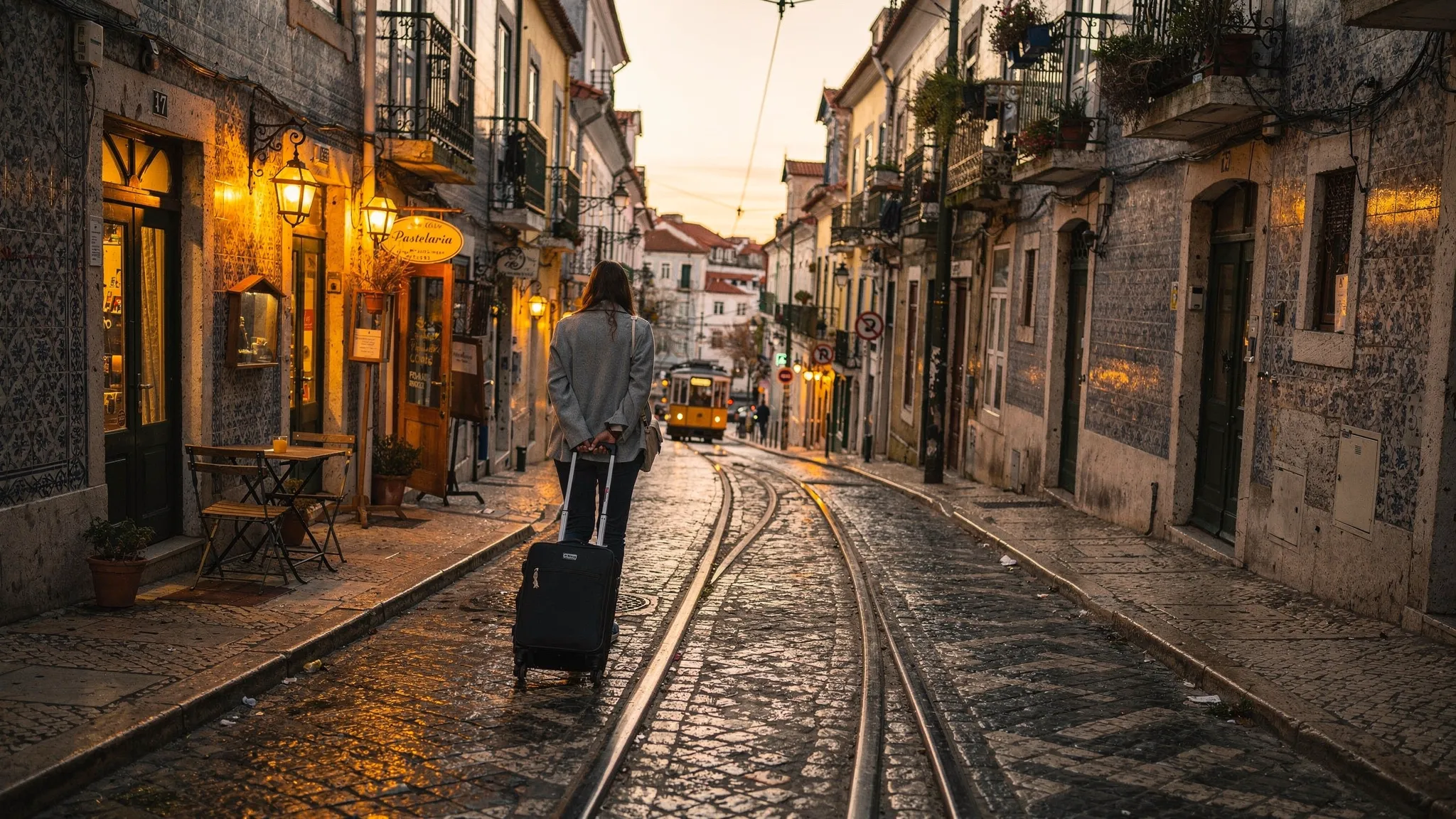
The trick is not to think of cheap hotels as a category of sacrifice. In 2026, the smartest travelers are not simply chasing the lowest nightly rate. They are looking for hotels that protect the whole trip budget: close enough to walk, near transport, clear on fees, flexible when plans shift, and comfortable enough that the saving does not feel like punishment.
That is the heart of booking better for less. The best-value room may not be in the landmark district. It may be two metro stops away, near a morning market, beside a business quarter that relaxes on weekends, or in a neighborhood whose cafés still serve locals before visitors arrive with cameras.
A cheap hotel that forces you into long taxis, late-night rides, airport commutes, and overpriced tourist restaurants is not really cheap. A modest room in a better-connected neighborhood can save more than a discounted room at the edge of the map.
This matters more in 2026 because hotel prices continue to move dynamically. Rates shift by season, event calendars, school holidays, conference weeks, flight patterns, and even neighborhood demand. The traveler who wins is the one who searches with context, not panic.
Think of your hotel as a base camp. It should reduce friction. If you can walk to dinner, reach the station in minutes, and return safely at night without crossing half the city, you have already booked better. Cheap hotels become valuable when they sit in the right relationship to the city.
Lisbon teaches the value lesson beautifully. The city looks small on a map, but its hills are honest. A hotel can appear central and still leave you climbing at the end of every evening, calves burning after a day of viewpoints, pastries, and tiled churches.
Around Rossio, Baixa, and Restauradores, the appeal is obvious. You are near trains, trams, river walks, and the avenues that lead toward Chiado. Yet the magic is often found on the edges. Mouraria brings older lanes, tiny grocery shops, grilled sardine smoke in summer, and the kind of neighborhood rhythm that makes a short trip feel lived-in rather than consumed.
For travelers who want central convenience without losing the plot of the budget, a practical starting point is Hotel Gat Rossio Lisbon. Treat it as a useful search anchor for understanding how close-in hotels price themselves around Rossio and the nearby transport links.
The booking lesson here is simple: in hilly cities, a location that looks slightly less romantic may actually be more comfortable. Being near a station or flatter walking route can matter more than being beside the viewpoint. In Lisbon, paying a little attention to elevation, transit, and dinner options can turn a cheap hotel into a smart hotel.
A better-for-less stay might mean breakfast at a counter where the espresso is sharp and the pastel de nata is still warm, then a train to Sintra without a taxi, then a late walk back through streets that still feel awake. The saving is not only in the room rate. It is in every decision you do not have to solve.
Chicago changes personality by the hour. In the morning, the Loop moves with purpose: badges, coffee cups, polished shoes, elevators opening into towers. By evening, the river reflects office lights like a second skyline. On weekends, some business-heavy areas soften, and that is where value hunters should pay attention.
The mistake many travelers make is searching only where they plan to sightsee. In Chicago, that can mean paying a premium for the most obvious lakefront or shopping addresses. But a slightly different strategy can work well: sleep near a lively mixed-use district, then use the grid, riverwalk, and train lines to move through the city.
River North is a good example. It has restaurants, galleries, nightlife, and access to downtown without feeling like a single-purpose district. A value-minded traveler might begin with Moxy Chicago Downtown, especially when comparing compact, social, city-focused hotels that prioritize location and simplicity.
The deeper Chicago lesson is timing. Business cities often create pockets of opportunity when the corporate rhythm dips. A hotel that is expensive during a major meeting week may become much more reasonable over a quieter weekend. Likewise, a leisure-heavy district may be cheaper midweek than on Friday or Saturday.
This is where hotel deal hunters should compare date patterns before committing. Move the trip by one day if your schedule allows. Check Thursday versus Friday, Sunday versus Monday, and the difference between staying near the office district or a neighborhood with stronger weekend demand.
Chicago also rewards travelers who understand weather and distance. A cheap hotel that looks close on a warm September map may feel less appealing in February wind. If you are visiting in colder months, proximity to trains, indoor attractions, and quick food options becomes part of the value equation.
Tokyo is the city that turns hotel strategy into an art form. It is vast, precise, layered, and surprisingly forgiving if you stay near the right station. The room may be small, but if the train connection is excellent, the city opens like a book.
Many first-time visitors over-focus on the most famous neighborhoods. Shinjuku, Shibuya, and Ginza are magnetic for good reason, but they are not the only places to sleep well. Ueno, for example, gives travelers museums, parks, old shopping streets, easy rail access, and a more grounded everyday feeling.
A practical hotel search might begin with Hotel Resol Ueno Tokyo. It places the traveler in a part of Tokyo where transport, food, and cultural access can work together, which is exactly what cheap hotels need to do in a city this large.
Ueno has a different texture from the neon districts. Morning brings station announcements, the smell of grilled fish and coffee, students moving toward museums, and older shopping arcades waking gradually. Nearby Ameyoko adds energy, with vendors, snack stalls, and a market atmosphere that feels worlds away from polished department-store Tokyo.
The 2026 booking lesson in Tokyo is not to fear compact rooms. In dense cities, a smaller room in a more connected area may be the better buy. What matters is the quality of the sleep, the ease of the route, and whether the hotel gives you a clean, calm reset between long days outside.
For business trip planners, Tokyo also highlights the importance of transit certainty. If your meetings are near a specific line, choose a hotel based on the line, not the neighborhood name alone. A cheaper room with one direct train can outperform a more expensive room that requires transfers.
Mexico City rewards curiosity. It is not one city so much as a constellation of moods: the grand civic scale of the historic center, the leafy ease of Condesa, the gallery pulse of Roma, the business polish around Reforma, and the market intensity of neighborhoods that most weekend visitors barely touch.
Here, cheap hotels require a thoughtful map. Distances can be deceptive, and traffic can turn a bargain into lost time. A hotel that keeps you close to your main route, museums in the morning, dinner in Roma, a meeting on Reforma, or a flight connection, can be worth more than one with a lower rate in the wrong direction.
Zona Rosa remains useful for many travelers because it sits near Reforma, public transport, restaurants, and nightlife. It is not the quietest corner of the city, but for short stays it can be efficient. A search around Ibis Styles Mexico Zona Rosa can help frame what practical, centrally placed value looks like in this part of the city.
The neighborhood has seen many identities over time: elegant, bohemian, commercial, international, nocturnal. Today, its value is partly strategic. You can move toward Chapultepec, Centro Histórico, Roma, Condesa, or Reforma without feeling marooned.
In Mexico City, the better-for-less mindset is especially sensory. Can you step out for tacos without arranging transport? Is there a café nearby before an early museum visit? Will you feel comfortable returning after dinner? The best cheap hotels are not just inexpensive. They support the rhythm of the trip.
The right room depends on why you are traveling. A couple on a food weekend, a solo traveler with museum plans, and a business guest with early meetings should not all book the same way. Use the neighborhood first, then the hotel.
| Destination | Value move | Best for | What to check before booking |
|---|---|---|---|
| Lisbon | Stay near transit and flatter walking routes, not only scenic hills | First-time visitors, short breaks, train day trips | Elevation, station distance, cancellation terms |
| Chicago | Compare business districts over weekends and leisure areas midweek | Business trips, architecture weekends, event travel | Conference dates, weather, train access |
| Tokyo | Prioritize station access over famous neighborhood names | Solo travelers, food lovers, efficient city explorers | Direct train lines, room size, check-in timing |
| Mexico City | Sleep near your daily route rather than the trendiest district | Culture trips, nightlife, business plus leisure | Traffic patterns, nearby dining, late return options |
This table is not about choosing the cheapest place on the page. It is about finding the hotel that makes the rest of the journey cheaper, smoother, and more enjoyable.
The old way of booking was simple: sort by lowest price, scan the photos, hope for the best. The 2026 way is more deliberate. Before you reserve, ask the questions that reveal the real cost.
Innrox is built around the things value-focused travelers care about: competitive rates, final prices shown upfront, fast reservations, secure payments, and flexible options such as free cancellation or pay-later deals where available. That combination is especially useful when searching for cheap hotels, because the cheapest-looking result is not always the best one once the details appear.
A cleaner booking flow also matters. When you are comparing cities, dates, and neighborhoods, clutter slows you down. The faster you can see the real price and confirm the room, the easier it is to make a calm decision instead of a rushed one.
Some hotel deals look good because they hide the trade-off. Others look ordinary but become excellent once you account for location, flexibility, and time saved. Use this simple filter before you book.
| Deal signal | Why it can be risky | Better-for-less alternative |
|---|---|---|
| Very low nightly rate outside the city | Transport costs and time may rise | Choose a modest room near reliable transit |
| Nonrefundable price for uncertain plans | You may lose the full booking if plans change | Pay slightly more for flexibility when needed |
| Tourist-core address during peak dates | Demand can inflate prices quickly | Search adjacent neighborhoods with good access |
| Large room but poor location | Comfort may not offset daily inconvenience | Prioritize location for short stays |
| No clear final price | Fees can change the real comparison | Book where terms and totals are visible upfront |
The best cheap hotels in 2026 do not make you feel clever only at checkout. They keep proving their value every morning when the city is easy to reach, every evening when dinner is nearby, and every time plans change without drama.
There is a kind of luxury that has nothing to do with marble lobbies or white gloves. It is the luxury of stepping out of your hotel and knowing where you are. It is hearing a tram before you see it, recognizing the bakery on the corner, remembering which station exit brings you home fastest.
Cheap does not have to mean anonymous. In the best cases, it means closer to the real city: the business district after the suits leave, the market street before the tour groups arrive, the residential block where the restaurant owner nods because you came back twice.
That is the future of booking better for less. Not less travel, not worse travel, but more intentional travel. A hotel chosen for how it supports the day, not how loudly it sells itself.
What is the best way to find cheap hotels in 2026? Start with the neighborhood, not only the price filter. Look for areas with strong transit, walkable dining, and clear total pricing. A slightly higher room rate in a better location can cost less overall.
Are cheap hotels always outside the city center? No. Many good-value hotels are in central but less-hyped pockets, near stations, business districts, or adjacent neighborhoods. The key is to avoid paying only for a famous address.
Is it better to book early or last minute? It depends on the destination and travel dates. For major events, holidays, and business-heavy weeks, booking earlier often helps. For flexible trips, comparing nearby dates can reveal better value.
Should I choose free cancellation or the lowest nonrefundable rate? Choose free cancellation when plans are uncertain or flights are not fixed. A nonrefundable rate can work for simple trips, but only if you are comfortable with the risk.
How does Innrox help with booking better for less? Innrox focuses on competitive hotel rates, upfront final prices, instant confirmation, secure payments, and flexible options where available, making it easier to compare real value without unnecessary booking clutter.
The next time you search for cheap hotels, do not begin with the cheapest number. Begin with the day you want to have. Morning coffee nearby. A simple route to the meeting. A station close enough for tired feet. A final price that does not change at the last step.
When you are ready, explore hotel deals on Innrox and compare stays with the details that matter: location, total price, flexibility, and fast confirmation. Better travel in 2026 is not about spending more. It is about booking with sharper eyes.
Tags