

InnRox
Travel Experts
March 27, 2026
11 min read
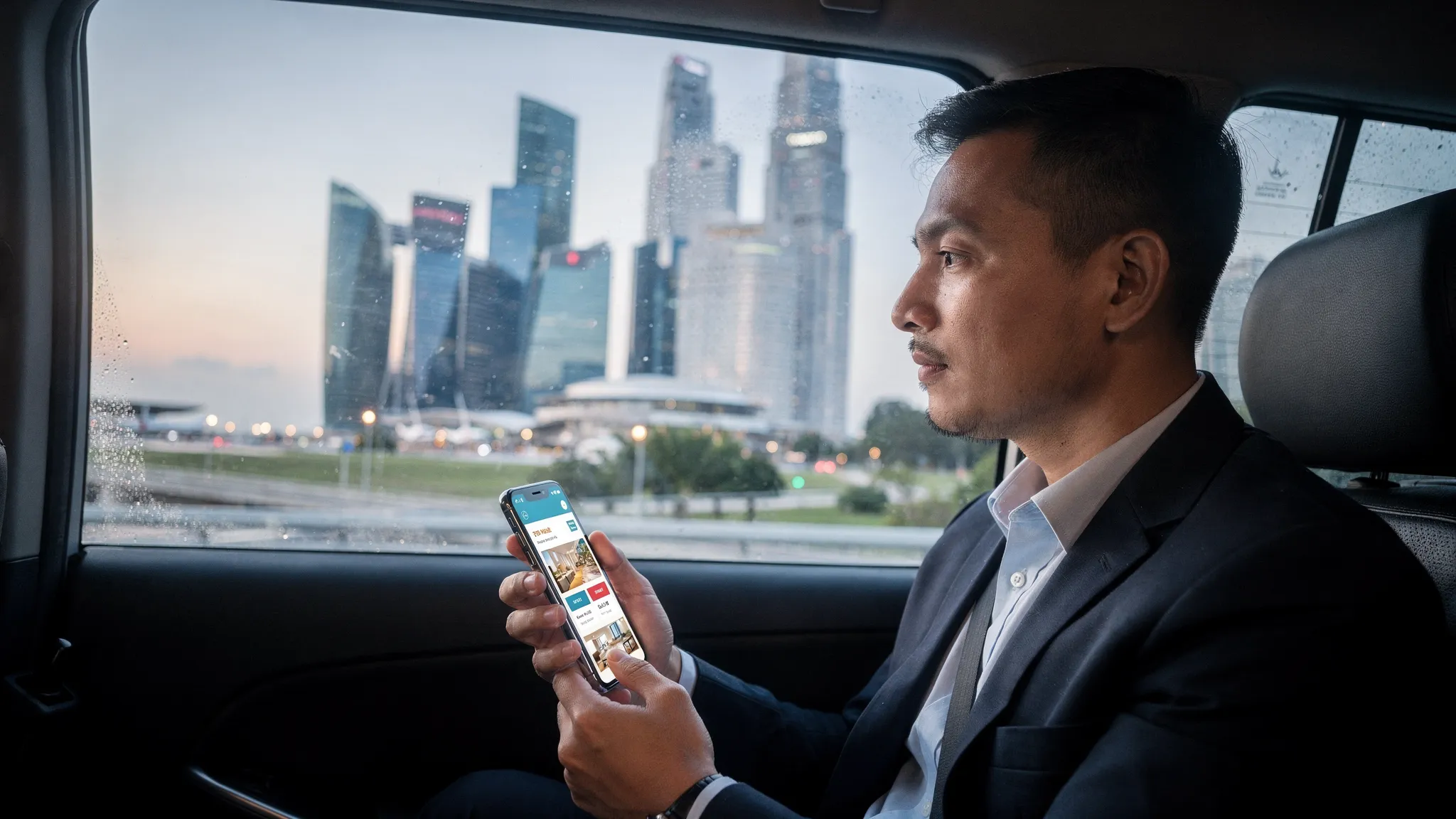
The taxi line at Changi moves with the quiet efficiency Singapore is famous for. It is 6:10 a.m., the air is cool enough to wake you up, and the glass walls of the terminal are still fogged from the night’s humidity. In the back seat, your phone buzzes with a calendar reminder: 9:00 a.m., client meeting at Raffles Place. You are dressed for the boardroom, but you are thinking about one very unglamorous question that shows up on every hotel checkout screen, including during an Agoda booking flow.
Pay now or pay later?
On paper, it is a small choice. In real life, on a tight business itinerary where plans change by the hour, it can decide whether you feel in control of your trip or spend it chasing refunds, fighting surprise deposit holds, or explaining odd exchange-rate differences to your finance team.
Singapore is not just a destination, it is a machine built for meetings. The CBD towers around Marina Bay, the conference halls at Suntec, and the “quick coffee” that turns into a cross-border partnership discussion all reward travelers who can stay flexible without bleeding money.
Here, time is currency. So is cash flow.
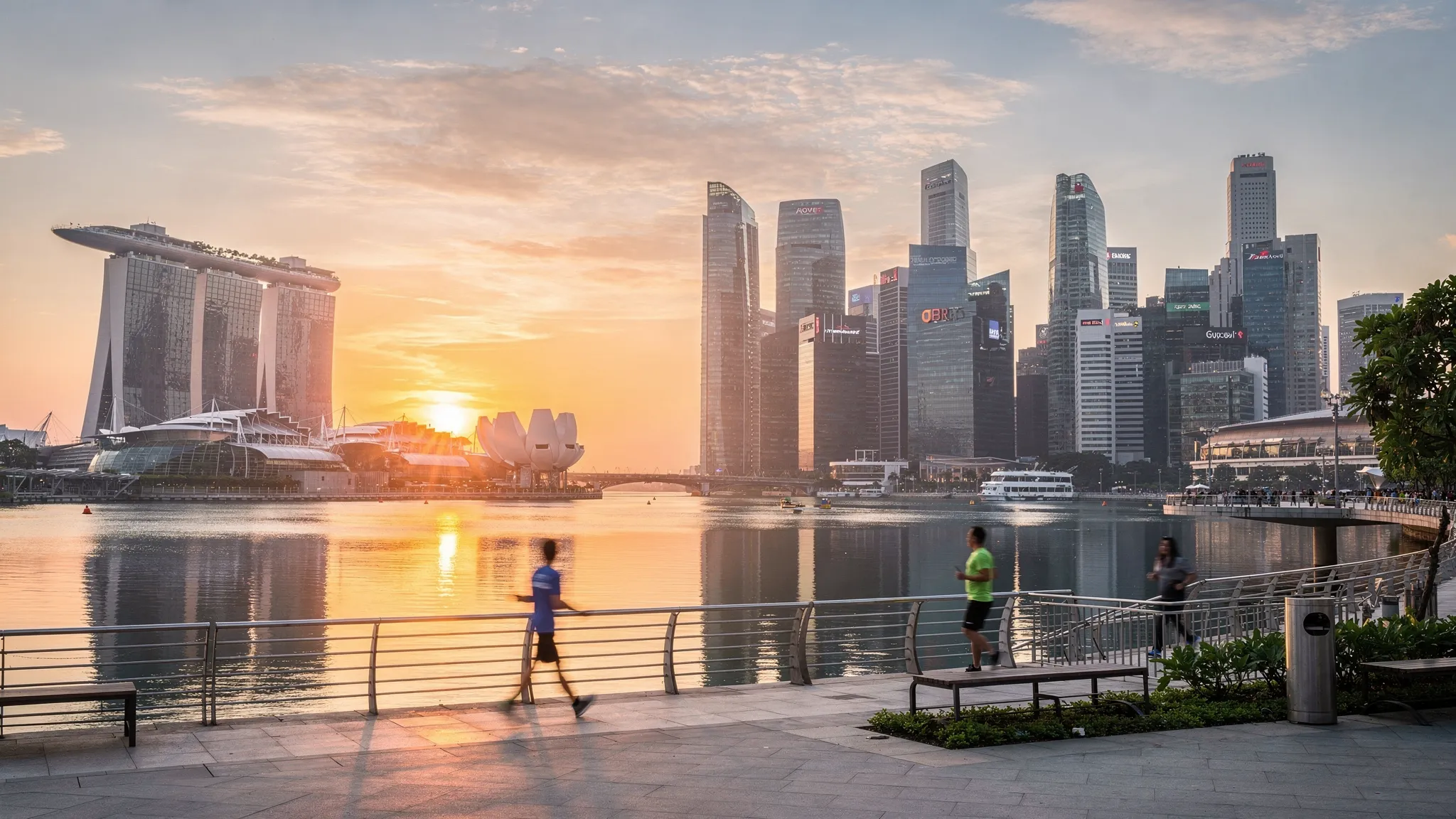
If you are flying in for work, you can feel it in the morning rhythm: polished shoes on the MRT platform, the hush of lobbies designed to move people smoothly, and the faint scent of espresso drifting from cafés that open before the sun is fully up. It is the perfect backdrop for understanding what pay now vs pay later actually means, and why it matters.
Most booking sites present these options like simple opposites, but the fine print lives in the details: cancellation windows, who processes the charge, when currency conversion happens, and what happens if you need to change anything.
“Pay now” typically means you are charged at booking time (or very shortly after), often by the platform or its payment partner. It can come with a lower rate, but it also tends to come with stricter change rules, and refunds can take time to travel back through payment rails.
“Pay later” usually means you reserve now and pay at check-in or check-out, with the hotel charging your card in local currency. It often offers more flexibility, but you need to be ready for a security deposit hold, and the final amount can shift slightly based on currency conversion and local taxes if pricing is not displayed clearly upfront.
The best choice depends on your risk, your need for flexibility, and how you handle expenses.
| Factor | Pay Now | Pay Later |
|---|---|---|
| Best for | Locked-in plans, deal hunters, trips where price certainty matters | Uncertain schedules, late changes, travelers who want flexibility |
| When you are charged | At booking (or shortly after) | At the hotel (check-in or check-out) |
| Cancellation flexibility | Often more restrictive, varies by rate | Often more flexible, varies by property |
| Refund experience | Can take time to process, depends on payment method and policy | Usually no refund needed if you cancel in time since you have not paid |
| Currency conversion | May be charged in a set currency, your bank may convert | Usually charged in local currency, your bank converts |
| Common surprise | Refund timing, partial refunds due to rules | Deposit pre-authorization holds, different exchange rate than expected |
Your driver merges onto the PIE expressway. Outside, the city is still dim, but the road signage is crisp and bright. You scroll hotel options near the CBD, because the difference between a 12-minute ride and a 35-minute ride at peak can decide whether your morning starts calmly or in a panic.
In this moment, “pay later” feels like a safety net. If the client reschedules, if your colleague’s flight gets delayed and you decide to relocate closer to Suntec, if the meeting turns into a two-day workshop, you want the ability to pivot without waiting for a refund.
But “pay now” feels like control. The trip budget is approved, you want the rate locked, and you would rather not think about money again until you are back home.
At many hotels, even if you “pay later,” the front desk may place a pre-authorization (a temporary hold) for incidentals. It is not a fee, but it can reduce your available credit for a few days.
For business travelers, this matters more than people admit. If you are using a corporate card with strict limits, a large hold can become a problem when you try to pay for rides, meals, or last-minute meeting space.
If your team’s finance policy is tight, “pay now” can reduce surprises at check-in because the room charge is already handled (though you still might see a deposit hold for incidentals).
In Singapore, meetings move fast. Your 9:00 a.m. can become a lunch at Lau Pa Sat, then a walk back under the financial district’s shaded arcades, then an “urgent” evening session.
The most important difference between pay now and pay later is not the timing of payment, it is the rule attached to the rate.
A few things to watch for, especially when you are scanning quickly:
The best habit is simple: before you confirm, look for the exact cancellation cutoff and whether changes are permitted, not just cancellations.
Singapore hotel pricing can involve taxes and service charges depending on how the rate is presented. When the final price is displayed upfront, it is easier to reconcile later. When it is not, expense reports become a guessing game.
If you pay at the property, the charge is typically in SGD. That is normal and usually fine, but your bank’s conversion rate on the day of charge can differ from the rate you saw days earlier when you booked.
If you are traveling for work, your finance team may require a folio showing the room rate, taxes, and dates. Whether you pay now or later, confirm that you will have the right documentation at checkout.
If you are torn during an Agoda booking checkout screen, use this:
You have fixed dates, low chance of change, and you are optimizing for the best total price. This is common for conference trips booked after the agenda is locked and approvals are final.
Your schedule might move, you are combining meetings with personal time, or you are arriving early and unsure which neighborhood you will prefer. Pay later is also a smart option when you want to avoid the refund waiting game.
The point is not to “win” a better rate. It is to choose the option that matches your uncertainty.
Pay now reduces price anxiety, pay later reduces change anxiety.
If you like the simplicity of comparing rates but want a cleaner booking experience, InnRox is built around transparent pricing and a fast path to confirmation.
For a classic CBD stay with a sense of place, you can start by checking availability here:
https://innrox.com/hotel-search?direction=The+Fullerton+Hotel+Singapore
Walk outside and you are in the heart of Singapore’s commercial story, where the river once carried goods and now carries reflections of glass towers. Even if you are only in town for two nights, the area makes it easy to move between meetings and small, grounding rituals like an early stroll along the Singapore River before your inbox wakes up.
The practical advantage of staying central is not just prestige, it is minutes saved. In a city where a single rescheduled meeting can ripple through your entire day, proximity is a form of flexibility.
Whether you choose pay now or pay later, you are still sharing sensitive information. Travelers tend to focus on price and cancellation rules, but data hygiene matters too, especially if you are booking on public Wi‑Fi in an airport, a coworking space, or a hotel lounge.
If you want a deeper, governance-focused perspective on privacy and compliance, resources from organizations like Privacy & Legal Management Consultants Ltd. can help you understand what responsible data protection looks like in practice, not just in marketing language.
On your side, small habits reduce risk: use trusted payment methods, avoid saving card details on shared devices, and confirm you are booking through the correct domain before entering payment information.
Some work trips are all CBD. Others have a social gravity, dinners with partners, a late walk through Orchard Road’s lit storefronts, a quiet decompression in a lobby that feels designed for exhaling.
If your schedule splits between business districts and central shopping corridors, it can be worth positioning yourself where transport is effortless in every direction.
https://innrox.com/hotel-search?direction=Carlton+Hotel+Singapore
The surrounding area keeps you close to civic landmarks and large event venues, which matters when your calendar includes a keynote, a client dinner, and a last-minute invite that appears as you are stepping into the elevator.
In these “busy but not chaotic” trips, pay later can be appealing because it matches how the itinerary behaves. Your reservation holds your base, while your plan stays free to evolve.

Checkout is when the abstract becomes real.
If you paid now, the main thing to confirm is that your folio reflects a settled room charge (if required for expenses) and that any deposits are released on time. If you had to cancel or shorten your stay, the “cost” may show up as refund timing and policy penalties, not as a visible daily rate difference.
If you paid later, confirm the charge currency, confirm whether taxes and service charges are included as expected, and keep an eye on any deposit holds that may take a few days to drop off.
For business travelers, the cleanest end to a trip is a clean paper trail. Before you leave the desk, verify:
The pay now vs pay later choice is not just about deals. It is about how you want to manage uncertainty.
Singapore rewards travelers who arrive prepared but stay adaptable. If your meetings are fixed and your budget is strict, pay now can feel like a locked door you do not have to check again. If your schedule might shift, pay later can feel like leaving yourself an exit, without turning your trip into a refund spreadsheet.
Either way, the best booking experience is the one that keeps the terms clear, the total price understandable, and the confirmation fast, so you can focus on why you came in the first place: the work, the city, and the few quiet moments between them.