

InnRox
Travel Experts
February 28, 2026
10 min read
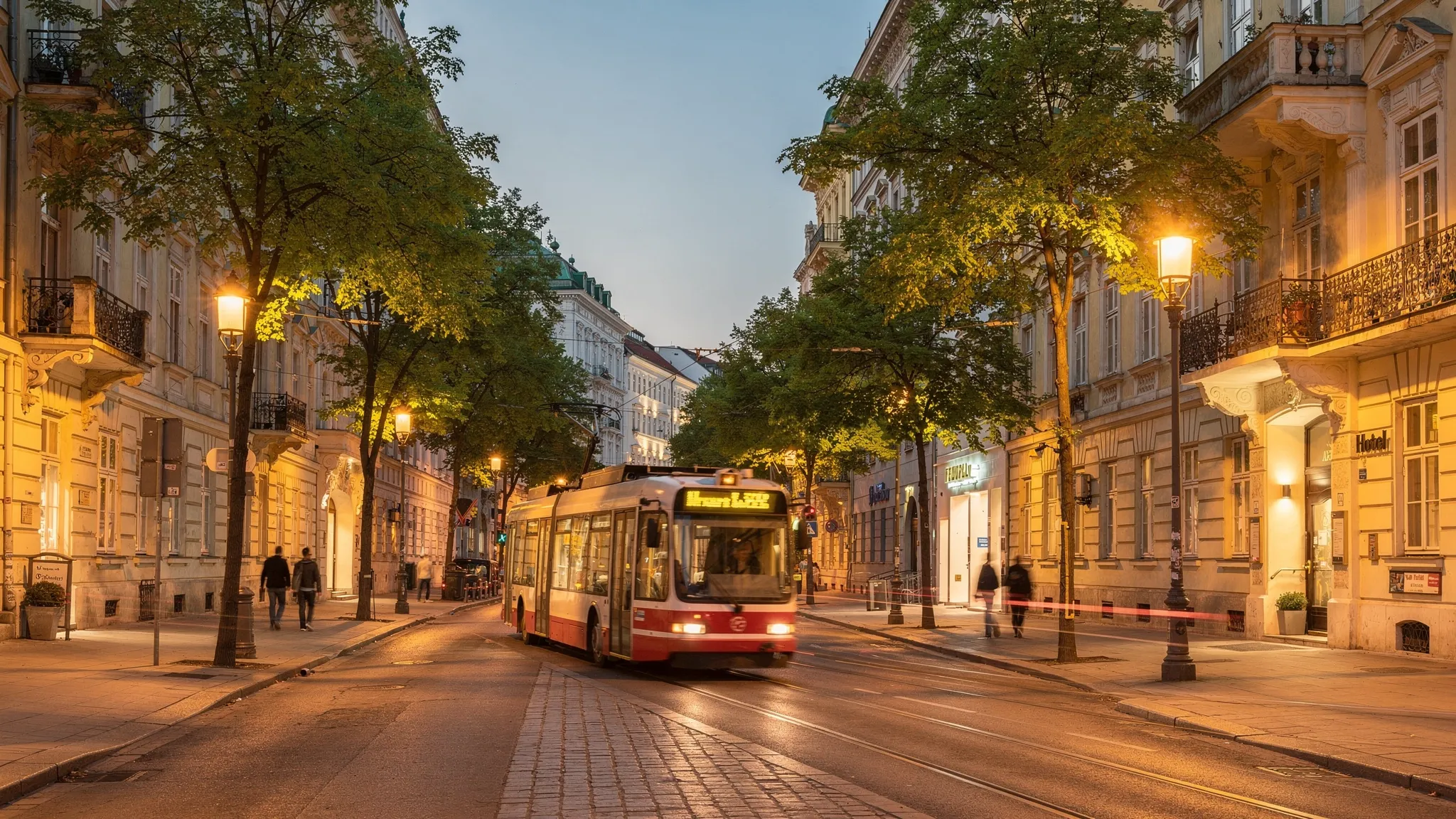
Vienna has a way of making you feel looked after without ever trying too hard. The streets are clean, the trams run like a metronome, and even the busiest corners seem to keep their composure. But if you are searching for affordable hotels here, a quiet, safe, central stay can feel like a paradox. Central usually means noise, and cheap sometimes means compromises you notice at 2:00 a.m.
On my last trip, I decided to solve it the slow way. No frantic tab-switching, no guessing. I took a long evening walk through the districts that orbit Vienna’s postcard center, listening for where the city softened. What follows is that walk, plus the practical checks that help you book a hotel that still feels calm, secure, and well placed.
Wien Mitte is not the most romantic name in Vienna, but it is a perfect beginning. The station complex hums with arrivals, rolling suitcases, announcements that echo off polished surfaces. Outside, the air smells faintly of roasted chestnuts in cooler months, coffee year-round. You are minutes from the Innere Stadt, but you are also one bridge away from quieter residential streets.
This is the first lesson in “central but quiet” Vienna: do not aim for the exact middle of the map, aim for the ring around it. The city’s core is compact, and Vienna’s public transit makes one or two stops feel like nothing, but those two stops can separate you from nightlife noise and tourist foot traffic.
Vienna consistently ranks among the world’s most livable cities, and it is generally considered very safe for visitors, including at night in central areas. Still, “safe” in a traveler’s mind is often shorthand for three things:
Quiet, meanwhile, is rarely “no sound.” It is the difference between hearing a distant tram and hearing a bar terrace emptying under your window.
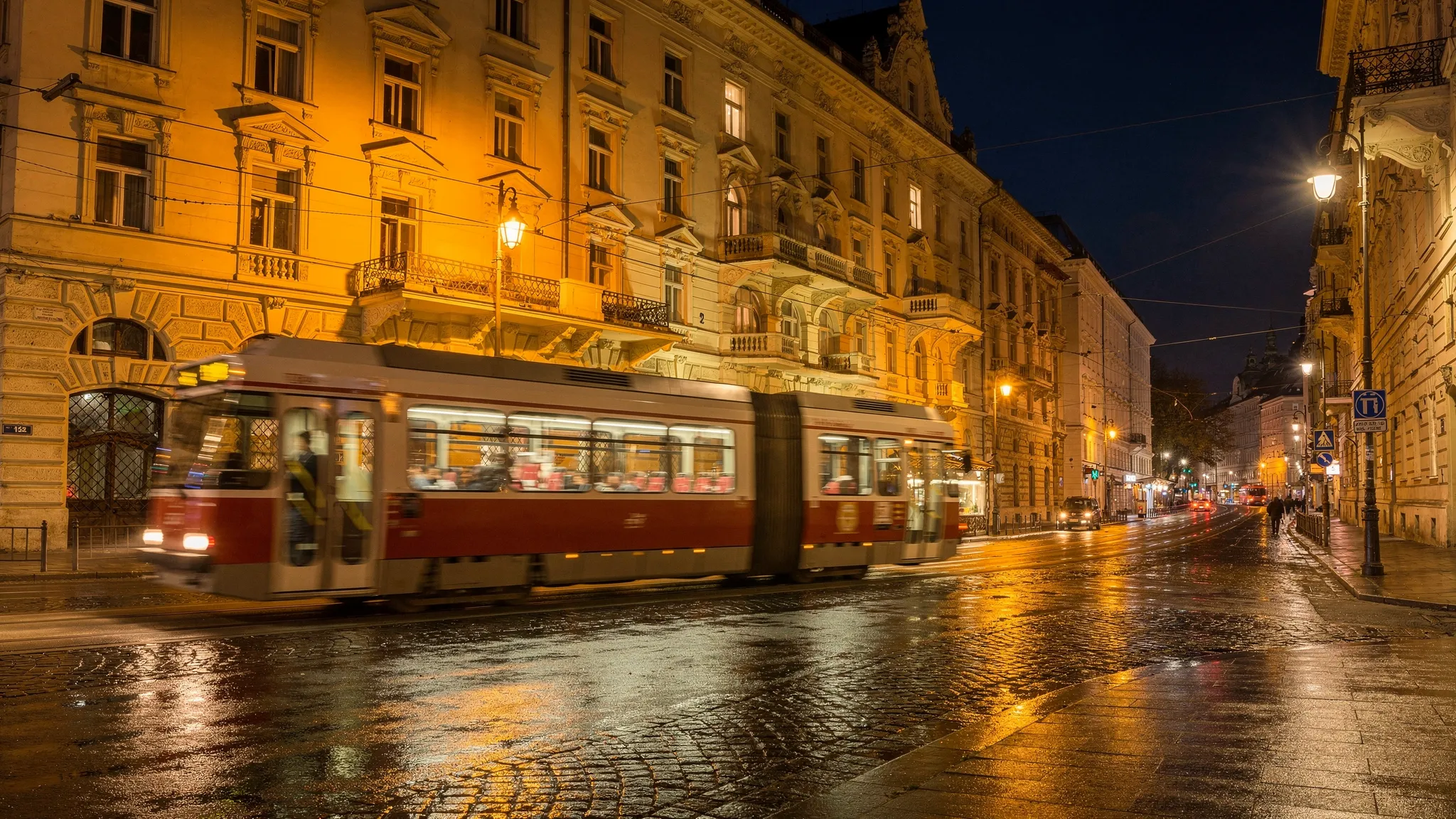
From the Ringstraße, Vienna can feel ceremonial, all grand facades and purposeful traffic. But walk southeast toward Wieden and the mood changes. The streets narrow. The soundscape shifts from tour groups to local conversation, from car horns to bicycle bells. Near Karlsplatz, you can still reach the State Opera quickly, but you are no longer sleeping in the swirl of it.
Wieden is one of my favorite answers to the headline question because it is a neighborhood of in-between places: museums nearby, the Belvedere within reach, and a strong residential backbone. That tends to mean steadier evenings.
If you want to anchor yourself here with a budget-friendly base that keeps you close to the center, start by checking options like Austria Trend Hotel beim Theresianum.
Austria Trend Hotel beim Theresianum
The practical “quiet” move in this area is not just neighborhood choice, it is micro-location. In Vienna, a hotel one block off a main avenue can feel dramatically different at night.
Look for rooms that are explicitly described as courtyard-facing or “quiet side,” and if you can, request a higher floor. Trams and traffic tend to become background hum as you go up.
Continue the walk west and you reach the MuseumsQuartier zone, where the architecture mixes imperial gravity with contemporary design. In the late afternoon, the plazas fill with conversation and the faint clink of glasses. Later, it thins out, but the area stays bright and navigable.
Neubau (7th district) is often thought of as creative and lively, and it is, but “lively” here is more café culture than club strip if you choose the right blocks. The trick is to be close enough to walk to the historic center, yet not directly above the loudest night corners.
For a central, design-forward stay that can still be cost conscious depending on dates, it is worth searching options like Ruby Marie Hotel Vienna, especially if you like the idea of being near Mariahilfer Straße for daytime convenience.
This is where “quiet” becomes a planning habit. If you want the neighborhood’s benefits without its peak-hour buzz, avoid booking right above a busy retail frontage or late-night bar cluster. You can often spot this just by switching to map view and noticing how many venues sit on the same block.
Now cross toward Leopoldstadt, and you will feel Vienna’s center loosen again. This district is close enough that the Innere Stadt is a short walk away, yet the streets often feel more residential. You might hear the soft rush of bikes, a stroller rolling over pavement seams, someone locking up a storefront.
The “quiet-central” magic here comes from geography. The Danube Canal acts like a subtle boundary. Tourist traffic thins as soon as you cross, but you still have quick routes back to the cathedral, museums, and the Ring.
If you are traveling solo, traveling for work, or simply want a straightforward base that keeps costs down without pushing you to the outskirts, consider checking a property like MEININGER Hotel Wien Downtown Franz.
MEININGER Hotel Wien Downtown Franz
Leopoldstadt is also a good reminder that “safe” can be a feeling created by reliable transit. Being near a U-Bahn station with frequent service means you spend less time wandering long, empty stretches at night.
Vienna rewards travelers who use neighborhoods as their first filter, then hotels as the second. Here is a practical way to think about it when you want to balance price, quiet, and access.
| Area (Vienna) | Why it can feel central | Typical noise risk | Best for | Transit advantage |
|---|---|---|---|---|
| Wieden (4th) | Near Karlsplatz, close to sights | Main roads near the Ring | First-time visitors who want calm evenings | Strong U-Bahn connections |
| Neubau (7th) | Walkable to museums and center edge | Nightlife pockets on certain streets | Culture-focused stays, weekend city breaks | Multiple tram lines, U3 nearby |
| Leopoldstadt (2nd) | Across the canal, still close | Canal-side bars in select spots | Value seekers, business trips | U1 and U2 access depending on location |
| Inner city edges (1st fringe) | Steps from landmarks | Tourist foot traffic late | Short stays, early sightseeing | Everything is close, but pay attention to windows |
The pattern is consistent: choose the edge, not the exact center, and you often get a better sleep without losing the city.
Most booking advice is vague, but quiet is measurable if you know what to look for. Before you confirm, scan for these signals:
If you are noise sensitive, bring earplugs anyway. The point is not to “survive,” it is to let the hotel feel like a reset button.
If part of “feeling safe” for you includes being covered for the unexpected, especially on multi-stop itineraries or if you are renting a car before or after Vienna, it helps to compare policies in advance rather than at the airport. A resource like InsuranceHub for comparing and buying insurance online in the UAE can be useful for travelers who want quick quotes and clear terms without days of back-and-forth.
Even with great coverage, your day-to-day safety experience still comes down to simple habits in the city. Keep your phone put away on crowded escalators, use well-lit routes late at night, and trust the feeling when a street is too quiet in the wrong way.
Vienna makes this easy because the built environment does a lot of the work for you. Wide sidewalks, consistent lighting, and frequent public transport reduce the “in-between” moments when travelers feel most exposed.
Some trips demand maximum centrality. Maybe you have one day, an early meeting, or you want to step outside and be at the Opera before the city fully wakes. In that case, you can stay very central and still protect your sleep, but you have to book intentionally.
A classic approach is choosing a property where you can request a quieter room type even in a busy zone, and then confirming those details right after booking.
In the first district and its immediate surroundings, the sound you hear most is not always traffic, it is people. The late-night rhythm comes from footsteps on cobblestones, laughter drifting from a corner, the small surge of crowds after a performance. A courtyard-facing room can make that disappear almost completely.
Price drops in Vienna are often seasonal and pattern-based rather than mysterious. You can tilt the odds in your favor with a few grounded moves.
Book for value, not just for the lowest number. A hotel that is slightly higher in price but closer to reliable transit can save you money on rides, time on logistics, and energy on late-night walks.
Be flexible by a day if you can. In many cities, including Vienna, shifting check-in from Friday to Thursday, or from Saturday to Sunday, can change rates materially because the demand profile changes.
And when you are comparing options, prioritize platforms that keep the path clear: final prices upfront, straightforward policies, and fast confirmation so you are not guessing whether your room actually exists after a long flight.
InnRox Travel is built around that kind of clarity, with transparent terms, real-time availability, and a simple booking flow designed for travelers who want the essentials done well.
On my final morning, the city sounded like porcelain. A cup set down on a saucer. A tram turning in the distance. The soft click of a hotel door closing somewhere down the hall. That is the feeling you want from an affordable stay: not that you “got away with it,” but that you arrived in a city known for elegance and still slept like you belonged.
If you want to recreate that experience, start with the neighborhoods that keep Vienna calm, then use room orientation and transit proximity as your final filters. Central does not have to mean loud, and affordable does not have to mean uneasy. In Vienna, with the right map choices, it can mean waking up rested, stepping outside, and meeting the city at its best.